
Metro Manila (CNN Philippines, November 17) — Certain segments of the Filipino youth were found to be more likely to fall for misleading or false information, according to a survey led by the Ateneo School of Government.
A total of 7,428 college students were covered by two survey rounds from May to September. In both instances, about two-thirds of the respondents said they were confident about their ability to distinguish facts from so-called fake news, but many failed when they were put to the test.
According to Ateneo associate professor and researcher Dr. Imelda Deinla, two-thirds of the respondents only got six or fewer correct answers out of a 10-item “What the Fake” online quiz, where they were asked to discern if quotes attributed to political personalities were true or not.
In the second round, respondents had an average score of 6.9, missing the passing mark of seven, illustrating a “mismatch” between a student’s perceived ability to identify correct from false information and their actual capacity to do so.
More than half of the respondents scored 6 to 8 points, indicating “average” skills in detecting false news items and statements.
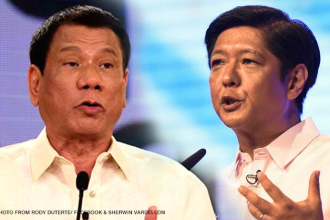
False information is also a trigger for political division, Deinla said. The study also found that young Filipinos who indicated they are likely to support President Rodrigo Duterte were more likely to fall victim in misinformation compared to those who said they were supporting Vice President Leni Robredo.
Deinla pointed out that while the quiz items included more pro-administration figures, their supporters were still unable to distinguish real from manufactured materials.
“This finding is not actually new – this behavior was likewise observed among Republican supporters in the United States,” said the Boses Pilipinas convenor, referring to supporters of former US President Donald Trump.
“It is possible then that these partisan tendencies to fall for misinformation is a product of the same disinformation networks that both groups are exposed to, or because of the possible impact of constant or high exposure to fake news being the new normal –– thus, to regard facts in a different way.”
Those who said they are “politically engaged” and will definitely vote in the May 9 polls were also found less likely to be deceived by false news.
The study also showed that individuals relying less on traditional media like TV, radio, and newspapers struggled more in discerning real information.
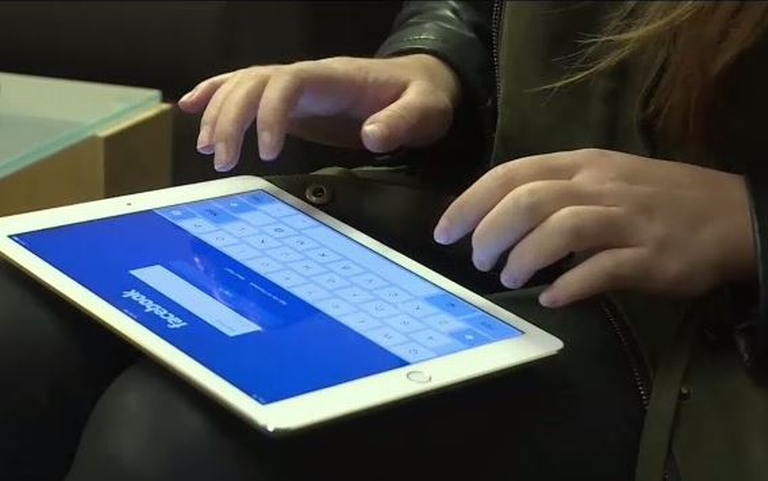
“Ang mga respondents na nagtitiwala sa social media ay mas madaling maniwala sa fake news at mas nahihirapan na makakilala ng totoong balita [Respondents who put more trust on social media are more likely to believe fake news and find it more difficult to recognize legitimate news],” Deinla said.
“Trust in social media decreases the odds of correctly identifying both real and fake news by 3% and 14%, respectively. Trust in social media and Facebook are shown to impair one’s ability to detect misinformation,” she added.
Commission on Elections director Elaiza Sabile-David said the poll body is looking to release guidelines for candidates in campaigning through social media later this month, but clarified these will focus more on ad spending rather than sanctions for fake news peddlers.
“I don’t think we still have that capacity, especially nga na wala pang batas [when we don’t have a law yet] to regulate the use of social media,” Sabile-David said during the Wednesday forum.
“We are partners with some social media providers gaya [like] ng Facebook. Kapag may mga na-spot na fake news, pwedeng i-report namin ‘yun at aalisin naman ng Facebook [When we spot fake news, we can report that and Facebook will take it down].”
The Comelec currently does not set a limit on how much or how many ads a candidate can spend for advertising and campaigns on social media, but said it’s looking to use online platforms in 2022 amid the threat of COVID-19.
READ: Social media influence on Philippines’ internet-driven elections