

Metro Manila (CNN Philippines, November 10) — A senator wants local government units in charge of procuring medicines and medical supplies, citing issues hounding the Health department’s procurement efforts.
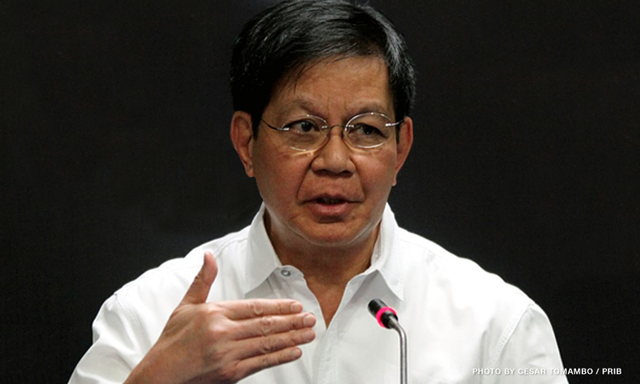
“Why don’t we just devolve the procurement of drugs, medicines, and other items to the local government units?” Sen. Panfilo Lacson said, as he questioned the ₱30 billion allotted for the purchase in the proposed 2022 national budget during the Senate plenary session on Wednesday.
Lacson recalled how the Commission on Audit earlier questioned the Department of Health (DOH) over ₱95 million worth of expired and near-expiry drugs. He also noted how ambulances purchased by the agency were supposedly priced higher than similar units ordered by LGUs.
“I have nothing against this but if we’re wasting money for the procurement of nearly expired or expiring drugs, what’s the sense of spending a lot more money?” Lacson said.
Sen. Pia Cayetano, who presided over deliberations on the proposed budget of the DOH and its attached agencies, said there are now agreements with manufacturers allowing the replacement of near-expiry or expired drugs.
Still, she agreed that the procurement should be devolved to LGUs for as long as bulk of the medicines are under the country’s primary health care response.
“But if they are not medicines that are not part of primary health care, it will still have to be sent to DOH hospitals because wala pa naman tayo [we still have no] mechanism as of now for the primary health care to be the one prescribing those non-basic, non-primary health care [drugs],” Cayetano explained.
Medicines for hypertension, diabetes, and food- and water-borne diseases are expected to be devolved by 2022, she added.
“It’s about time, Mr. President,” Lacson said regarding devolution of the task to LGUs. “Now I’m not trying to put the DOH on the spot here but time and again, we’ve witnessed bad procurement by the agency – not only DOH but also other line agencies.”
The DOH has been in hot water for its transfer of ₱42 billion to the Department of Budget and Management’s procurement arm for the purchase of allegedly overpriced face masks and face shields.