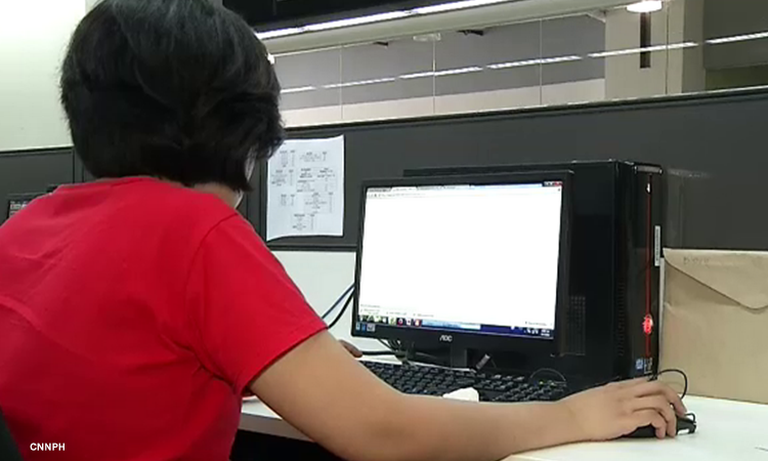


Metro Manila (CNN Philippines, July 5) – Lawmakers of the 19th Congress are determined to digitalize state agencies through the proposed ‘E-Governance Act of 2022’ which seeks to shift government services to online platforms.
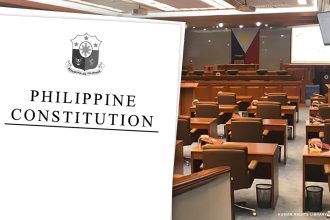
Representatives led by Martin Romualdez of Leyte filed the E-Governance Act of 2022, embodied in House Bill (HB) No. 3.
Ferdinand Alexander “Sandro” Marcos of Ilocos Norte, along with Yedda Marie Romualdez and Jude Acidre, both of party-list group Tingog, are co-authors.
The bill’s explanatory note read, “The shift to digital platforms has been long time coming. The COVID-19 pandemic only expedited the need for its execution. The policies in the ‘new normal’ must be responsive to the needs of the populace and allow them to truly feel a sense of normalcy, rather than burden them with inevitable but avoidable restrictions.”
“It is high time to enact a law that would require all government agencies to transition to digital platforms,” it also said, adding that digitalization of services “is evidently the most efficient solution to the gap in the delivery of government services.”
The measure aims to develop an integrated, interconnected, and interoperable information, resource sharing, and communications network that will hold internal records, management information system, information database, and digital portals spanning the entirety of the national and local government for the delivery of public services.
Further, HB No. 3 would provide easier access to government information and services in a way that complies with rules governing the protection of private information, national security, record keeping, accessibility for people with disabilities, and other relevant laws.
Entitled “An Act institutionalizing the transition of the government to e-governance in the digital age, appropriating funds therefore, and for other purposes,” the proposed law would cover all state offices, agencies, including local government units and government corporations.
It would also govern each head of agency, local government unit, or state corporation responsible for its implementation.
Responsibility of the DICT
The E-Governance Act would primarily be implemented by the Department of Information and Communications Technology (DICT) through the establishment of a project management office (PMO) within a year of the effectivity of the proposed law.
E-governance is described in the bill as “use of information and communications technology (ICT) by the government and the public to enhance the access to and delivery of government services to bring about efficient, responsive, ethical, accountable, and transparent government service.”
DICT Secretary Ivan John Uy earlier said digitalizing government transactions would also minimize corruption in government agencies.
According to the measure, the DICT is required to coordinate and harmonize all ICT plans and initiatives “to ensure knowledge, information, and resource sharing, database-building, and agency networking linkages among government agencies, consistent with e-government objectives in particular and national objectives in general.”
With the goal of shifting paper-based communications to digital platform, DICT would establish an internal email network to be known as “GovMail” and to facilitate communication among agencies.
The bill also directs the DICT to create and maintain a database of information — names, addresses, dates and places of birth, biometrics, etc. — on all Filipinos and foreigners entering the country.
The proposed law also mandates the upkeep of a directory of all national government officials to be called the Philippine Public Service Directory, which includes their names, titles, phone numbers, facsimile numbers, locations of offices, and email addresses. The public would have access to the directory.
Service portals
The measure also proposes the creation of a service portal where the public can transact business with agencies and for state offices to conduct service online.
The bill establishes timelines for responsible personnel to act or make decisions on requests or applications.
There would also be another portal for online payments.
HB No. 3 likewise calls for the development of a Citizens’ Concerns Center where people can voice complaints, issues, or concerns. It also requires the government to offer the public free internet connection, as well as internet-capable gadgets in all barangay centers.