

Metro Manila (CNN Philippines, January 5) — Prices of basic goods went up slower in December with the increase primarily driven by food and transport costs, the Philippine Statistics Authority said Wednesday.
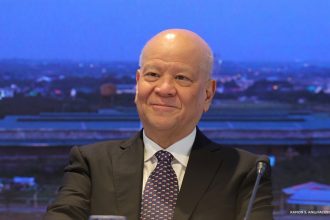
National Statistician Dennis Mapa said inflation stood at 3.6% during the month. The mildest pace for 2021, December marks the only time inflation fell below 4% last year.
It is also within the 3.5-4.3% range pegged by the Bangko Sentral ng Pilipinas for the month.
However, the easing wasn’t enough to pull the full-year average to within the 2-4% target — finishing at 4.5%.
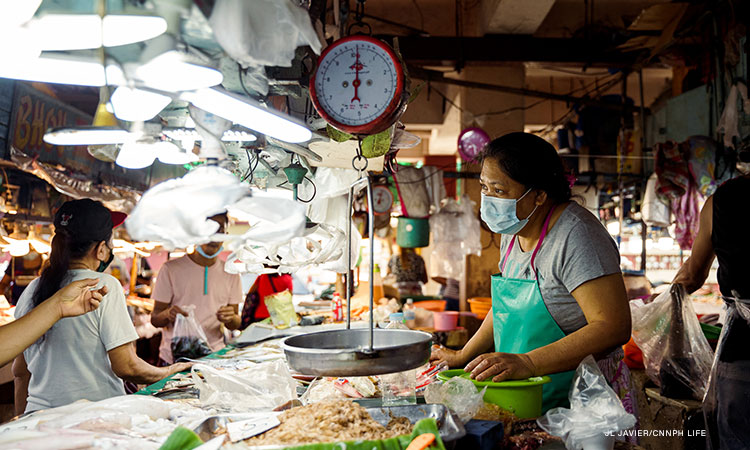
Vegetables led the slower pace in December among food and non-alcoholic drinks, followed by fish and rice. Petroleum and fuels, meanwhile, mainly drove the slower rise of transport costs, along with jeepney and tricycle fares.
Inflation in the National Capital Region eased to 2.8% in December from 2.9% the month prior. While rice, fish, eggs and dairy products saw prices increase slower, costs of cereals, meat, oils and fats, along with sugar and jam rose faster.
For areas outside the metro, inflation stood at 3.9% — down from 4.5% in November. Rice and fish also recorded milder inflation prints in December. However, meat prices went up faster — given the uptick in demand during the holidays — along with costs of oils and fats, fruits, and sugar.
Zamboanga Peninsula and Davao record the quickest inflation among regions apart from NCR at 6.1%, while BARMM still logged the slowest at 2.1%.
The country’s poorest families saw basic commodity prices go up by 3.3% in December — milder than 4.2% in November. This meant inflation averaged 4.8% for the sector this 2021.
Like the nationwide trend, the slower increase in costs of food and non-alcoholic beverages along with transport primarily drove the milder inflation for the country’s bottom 30% income households.
What’s next?
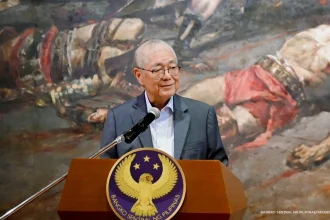
BSP Governor Benjamin Diokno said inflation could ease to near 3% this year and the next, but not without flagging supply disruptions and agricultural damage due to typhoon Odette.
These could lead to a “temporary uptick” in costs of food items and other necessities in the near term, added the central bank chief as he stressed the importance of non-monetary government intervention measures to ensure sufficient food supply.
“The BSP will have to include the typhoon’s impact into its projections once firm estimates become available. At the same time, the implementation of reconstruction efforts and rehabilitation programs in areas damaged by the storm will be essential to support economic recovery and prevent job losses,” said Diokno.