


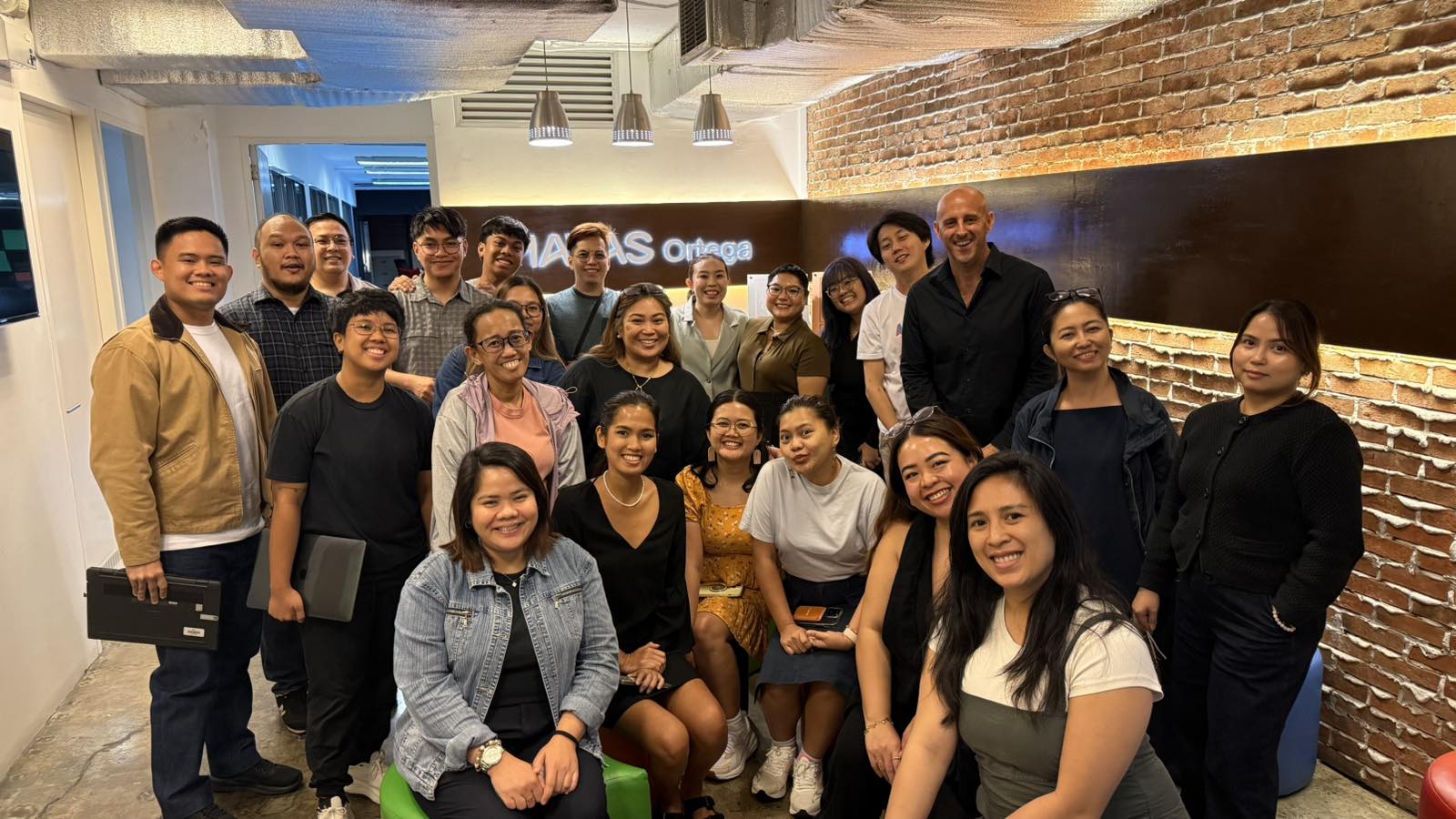
In a time when “inclusion” risks becoming a buzzword and workplace empowerment slides into performative panels, HAVAS Ortega is reminding everyone what real action looks like.
Their answer? HAVASister. A cleverly named, deeply intentional program that goes beyond Women’s Month to foster year-round allyship, advocacy, and meaningful conversation. And just when headlines are filled with layoffs, burnout, and the gender gap in leadership widening again, HAVASister feels refreshingly grounded in care, education, and culture-building.
Here are five reasons it stood out—and why more companies (and communities) should take notes.
1. They Let Women Tell Their Stories—Their Way
The kickoff featured a woman who rose from telephone operator to CEO, not by playing into traditional tropes, but by sharing real lessons on resilience, mentorship, and grit. Her story resonated because it wasn’t polished; it was lived. And that’s what more women in leadership need: space to speak without filters.
2. They Made Space in Male-Dominated Arenas
One session turned the spotlight on gaming, a world where women are often overlooked or harassed. By creating space for women gamers to compete, share, and lead, the event reframed digital culture as a place where everyone belongs, not just the loudest voices in the room.
3. They Talked Reproductive Health Without Shame
PCOS, hormonal issues, fertility challenges—these are everyday realities for many women, but rarely talked about at work. Instead of avoiding the topic, this program brought in medical experts to break things down, answer questions, and normalize the conversation. It felt necessary. And overdue.
4. They Tackled Invisible Differences Head-On
Another standout: a session on how neurodiversity (like ADHD or autism) can look very different in women. The takeaway? Many women go undiagnosed or unsupported because systems weren’t designed with them in mind. The conversation pushed for more inclusive, flexible, and empathetic workplace structures.
5. They Treated Health as Preventive, Not Reactive
The final session focused on HPV vaccines and why health shouldn’t just kick in when something goes wrong. It was a reminder that self-care is also about science, policy, and access.
What made this initiative work wasn’t the branding or the speakers—it was the intent. It wasn’t performative, it was practical. It didn’t just speak to women, it spoke with them.
Because if we want workplaces where people thrive, we have to stop treating equity as an event and start treating it like culture.