
(CNN) — The British monarchy is entrenched in symbolism. Time and again we’ve seen instances where members of the Windsor clan use subtle messaging in what they say, do, use and wear. Sometimes it’s an understated nod to an ancestor, while other times it’s a hat-tip to royal tradition or a historic occasion.
The late Queen Elizabeth II was well known for masterfully using her wardrobe as an alternative means of soft diplomacy, as well as identity. So, when the emblem for King Charles’s coronation was unveiled by Buckingham Palace, it came as no surprise that subtle symbolism was threaded throughout its design.
The emblem is essentially the logo that’ll be used in all official marketing and comms around the coronation and will be featured on merchandise and at key events, like the Westminster Abbey service and Windsor concert, as well as national events such as street parties and community gatherings. But it’s not just a decorative element.
At face value, the insignia has a lot of floral motifs, which would make sense when trying to reflect a King known for being a decades-long crusader for the environment. But take a closer look and you’ll notice there’s a rose for England, a shamrock for Northern Ireland, a thistle for Scotland and a daffodil for Wales. Combined, these four flowers represent the four nations of the United Kingdom and make up the shape of St Edward’s Crown, which will be placed on the King’s head on May 6. Then there’s the color palate of red, white and blue – a clear nod to the Union Flag.
The flowers – chosen by British former Apple design guru Jony Ive – represent something much deeper. Ive confirmed the design his team came up with was “inspired by King Charles’ love of the planet, nature, and his deep concern for the natural world.”
He said: “The emblem speaks to the happy optimism of spring and celebrates the beginning of this new Carolean era for the United Kingdom. The gentle modesty of these natural forms combine to define an emblem that acknowledges both the joyful and profound importance of this occasion.”
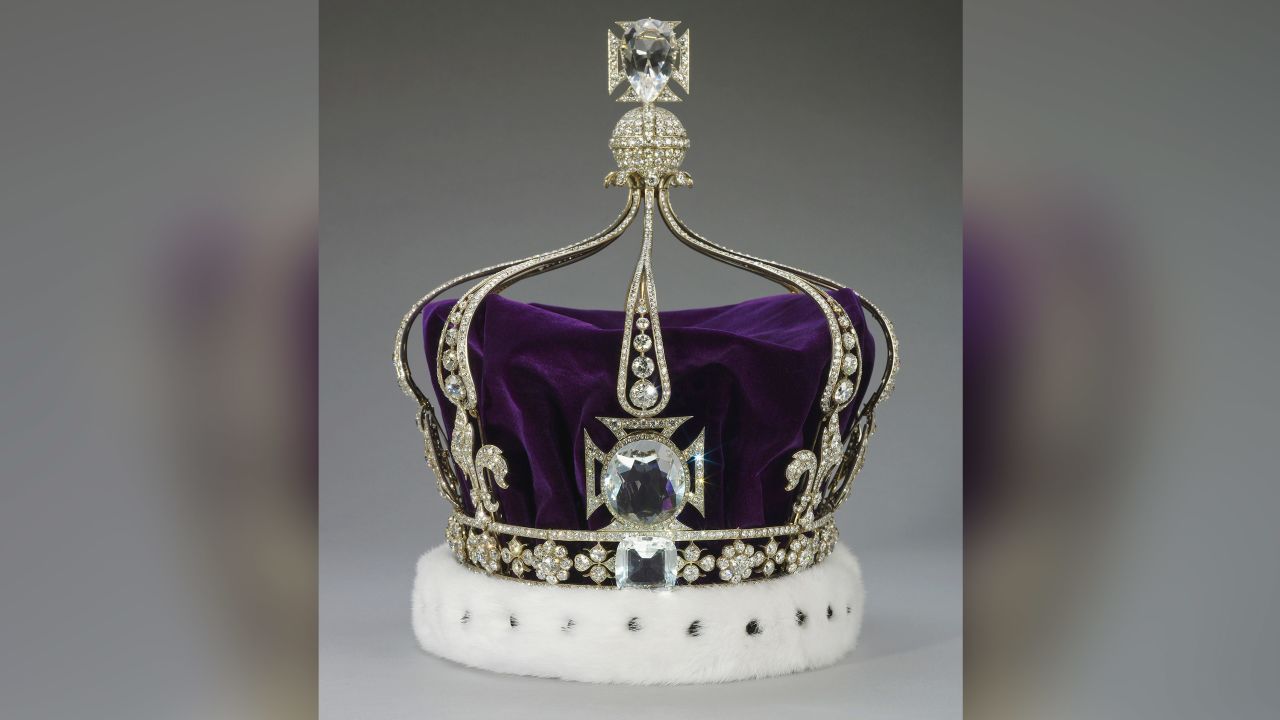
Another example of how royals use symbolism came this week in the form of the Queen Consort’s choice of jewel-encrusted crown for the coronation. Buckingham Palace revealed that she would use Queen Mary’s Crown during the ceremony on May 6, which has been removed from the Tower of London to be resized.
It will be the first time in recent history that a consort has opted to reuse an existing crown rather than commission a new one to be made. The palace said Camilla’s choice was “in the interests of sustainability and efficiency.”
That’s not to say that Camilla isn’t making some “minor changes and additions” while it’s in the workshop, which the palace said was “in keeping with the longstanding tradition that the insertion of jewels is unique to the occasion.”
The Queen Consort also wants to honor her mother-in-law by resetting the crown with some diamonds – the Cullinan III, IV and V – from the late monarch’s personal collection. While the Cullinan diamonds have been set into Queen Mary’s Crown before, they were often repurposed by Queen Elizabeth II as brooches.
Her choices also avoid the use of the controversial Koh-i-Noor diamond, a 105-carat jewel set into the Queen Mother’s crown, which has been the source of a decades-long contention between India and the UK amid questions over its ownership. Following Queen Elizabeth II’s death, there was speculation Camilla would use that crown during her coronation, sparking renewed calls from people in India to return the diamond.
But not everyone is happy about the upcoming coronation and subtle hints – and messaging will do little to change that. King Charles was greeted by anti-monarchy protesters while visiting Milton Keynes on Thursday to celebrate its new city status. Amid the large gathering of supporters, there was a smaller cohort of anti-monarchists brandishing signs that read “Not My King.”
Among the demonstrators was Graham Smith, from the campaign group Republic. While there he questioned the need for “a pointless coronation” instead of a debate over whether the monarchy was still relevant today, according to a statement from the group. “We believe the British public should be asked, do you want Charles or a choice? The tide is starting to turn against the monarchy and we need a serious debate about its future,” Smith added.
According to the UK’s PA Media news agency, another protester shouted, “why are you wasting money on a coronation Charles?” but other members of the public started singing “God Save the King,” drowning out the dissent. King Charles still made sure to greet members of the public in front of where the protesters had gathered. And while he appeared unfazed by the hecklers present, there have now been a few instances of anti-monarchists turning up at royal engagements to voice their grievances against the institution – something we didn’t see as overtly while the Queen was alive.
This story was first published on CNN.com, “The hidden meaning behind King Charles III’s coronation art”