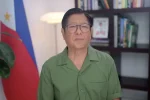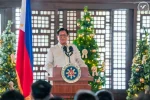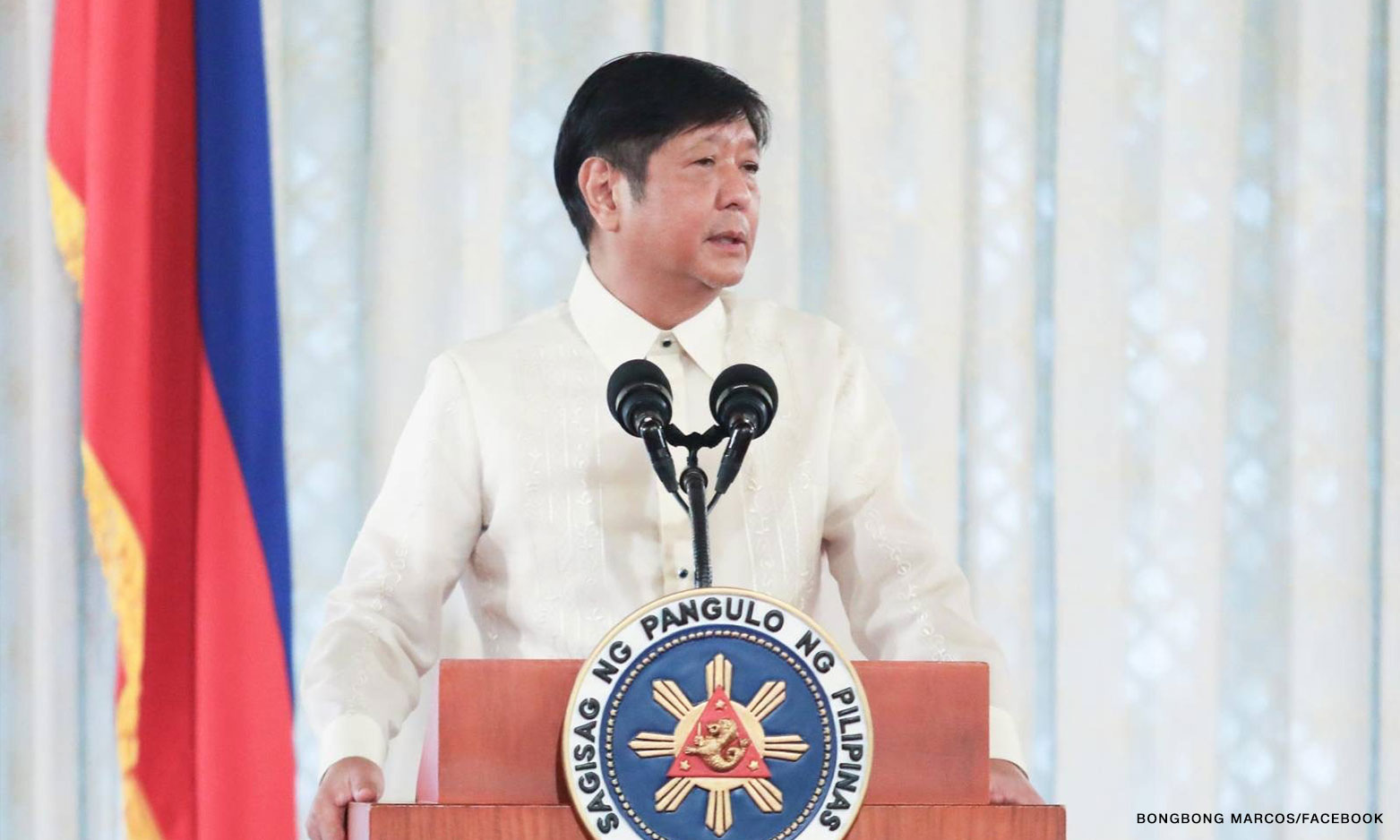

Metro Manila (CNN Philippines, November 24) — President Ferdinand Marcos Jr. has granted amnesty to current and former members of rebel groups who may have committed crimes “in pursuit of their political beliefs.”
In a statement on Friday, Malacañang announced that the chief executive issued four proclamations granting amnesty to members of the Rebolusyonaryong Partido ng Manggagawa ng Pilipinas/Revolutionary Proletarian Army/Alex Boncayao Brigade (RPMP-RPA-ABB), the Moro Islamic Liberation Front (MILF) and the Moro National Liberation Front (MNLF), and former members of the Communist Party of the Philippines-New People’s Army-National Democratic Front (CPP-NPA-NDF).
Crimes covered by the general pardon include:
– Rebellion or insurrection;
– Conspiracy and proposal to commit rebellion or insurrection;
– Disloyalty of public officers or employees;
– Inciting to rebellion or insurrection;
– Sedition;
– Conspiracy to commit sedition and inciting to sedition;
– Illegal assembly, illegal association;
– Direct and indirect assault;
– Resistance and disobedience to a person in authority or the agents of such person;
– Tumults and other disturbances of public order;
– Unlawful use of means of publication and unlawful utterances;
– Alarms and scandals;
– Illegal possession of firearms, ammunition or explosives provided they were used to crimes of rebellion; and
– Common crimes committed in pursuit of political beliefs
However, the proclamations do not cover crimes such as kidnap for ransom, massacre, rape, and terrorism, among others. The Palace likewise said genocide, crimes against humanity, war crimes, torture, enforced disappearances, and other gross violations of human rights are not included.
It says this is part of the Marcos administration’s “comprehensive peace initiatives.”
The president also issued an executive order to amend Executive Order No. 125, series of 2021, or the Creation of the National Amnesty Commission.
“In issuing the order, the President said that there is a need to amend and update the functions of the National Amnesty Commission to cover the processing of the applications for amnesty under the new proclamations,” Malacañang said.
Amnesty: “Bridge toward healing” vs. “subject to interpretation”
The amnesty announcement was met with support as well as questions from lawmakers and agencies.
In a statement, the National Task Force to End Local Communist Armed Conflict commended the signing of Proclamations 403, 404, 405,and 406, saying they will serve as the “bridge toward healing and reintegration” of the concerned individuals.
Senator Grace Poe said that with the amnesty, rebel groups in conflict will “no longer feel the sword hanging over their heads” for fear that they could be arrested or charged anytime.
On the other hand, Rep. Arlene Brosas said the amnesty still needs clarification, including clear definition of terms used by the proclamation.
Brosas specifically pointed out that open-ended terms such as “illegal assembly” and “front organizations” that are subject to the “interpretation” of the security forces. With this, it may impose the amnesty to wrong citizens, she added.
She also said that if the president really wants to achieve peace, it should first put an end to the state-perpetrated human rights violations, acquit the political prisoners, and remove the “terrorist tags” on the NDF, CPP, and NPA.
“Napaka-ironic na nag-o-offer ang gobyerno ng amnesty gayong tumitindi ang militarization sa mga komunidad,” Brosas argued. “Napakaraming kaso rin ng aerial bombings, forced/fake surrenderees, at kahit murder ng mga bata sa ilalim ng napakarahas na counter-insurgency operations ng gobyerno,” she said.
[Translation: It’s ironic how they are offering amnesty following the intensified militarization in our community. There are so many cases of aerial bombings, forced/fake surrenderees and murder of children under the government’s counter-insurgency operations.]
Department of Social Welfare and Development (DSWD) Undersecretary Alan Tanjusay, head of the Inclusive-Sustainable Peace and Special Concerns office, said rebel returnees will be provided with financial aid and other types of assistance. He added that the “compassion and care” of social workers will contribute greatly to the program.