
Originally Published: 22 NOV 23 01:05 GMT
(CNN) — Israel’s Cabinet has approved a breakthrough deal that would see the release of at least 50 hostages – women and children – from Gaza, according to an Israeli government statement, in what is expected to result in the first sustained pause in fighting and major de-escalatory step since Israel’s war with Hamas began.
The freeing of the hostages will come in exchange for a four-day truce in Israel’s air and ground campaign in Gaza, the statement said.
In a separate statement early Wednesday, Hamas said 150 Palestinian prisoners held in Israeli jails will be released as part of the deal. The prisoners to be released are women and children ages 18 and younger, the statement said.
The deal also involves the entry of hundreds of trucks carrying aid relief, medical supplies and fuel to all parts of Gaza, the Hamas statement said.
There are still questions around the details of the arrangement and how and when it will be implemented. A senior US official said the implementation would start “about 24 hours” after Qatar – which acted as a key negotiator – announces a deal, which is yet to come.
Israel’s statement held out the potential for the truce to extend beyond the original four-day period, saying that an extra day would be added to the truce for each 10 additional hostages available for release.
It also made clear that Israel plans to resume its air and ground campaign “to complete the eradication of Hamas” once this round of hostage releases concludes.
Details of arrangements would be sent to families of the hostages later today, the statement added.
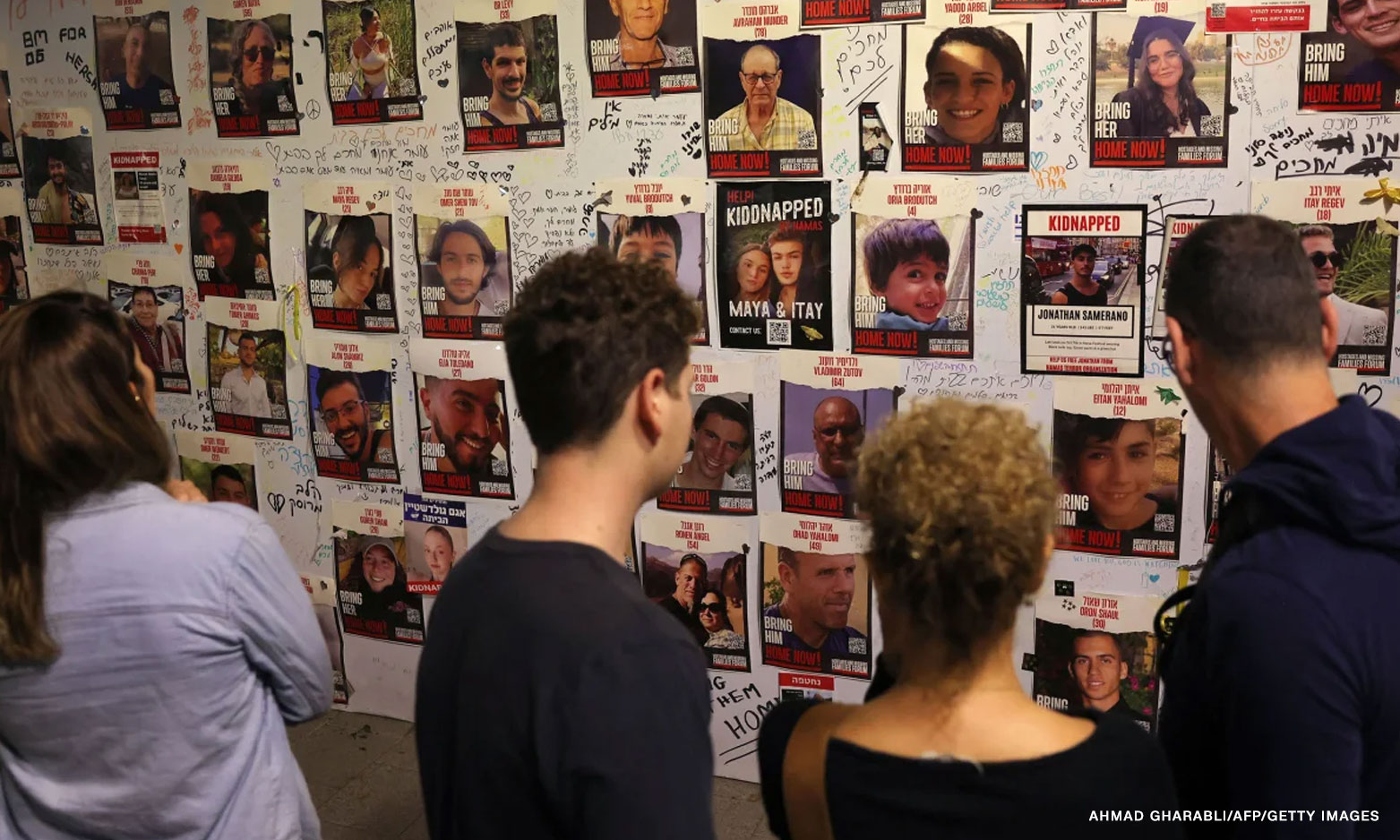
There are 239 hostages being held captive in Gaza, including foreign nationals from 26 countries, according to figures from the Israeli military. The mass abductions took place during on October 7, when Hamas militants struck across the border in coordinated attacks killing around 1,200 people – the largest such attack on Israel since the country’s founding in 1948.
The deal followed mounting pressure on the Israeli government from the families of the hostages, who have demanded answers and action from Israeli Prime Minister Benjamin Netanyahu on the return of their loved ones.
Many of the hostages were seized at gunpoint during Hamas’ rampage of violence though border communities near the Gaza Strip and the nearby Nova music festival.
Israel responded to the attacks by imposing a blockade on Gaza that cut off supplies of food, water, medicines and fuel, and launched a relentless air and ground assault that has plunged the enclave into a dire humanitarian crisis.
More than 12,000 people have been killed in Gaza since October 7, according to the Hamas-run government’s press office.
Even as the details of the release remained unclear, some family members of the hostages held by Hamas expressed relief.
Anat Moshe Shoshany, whose grandmother was kidnapped from kibbutz Nir Oz on the back of a moped, said hearing of the hostage deal gave her “so much hope.”
“I really do hope to see someone walking out of there alive,” Shoshany said. “We want a chance to see our loved ones back. This is all we want and I really hope this is just the first step in this mess.”
Just a handful of hostages have been released prior to the deal. On October 20, two Americans – Judith Tai Raanan and her 17-year-old daughter Natalie Raanan – were freed on humanitarian grounds following negotiations between Qatar and Hamas.
Soon after, two Israeli women, Nurit Cooper and Yocheved Lifshitz, were also released.
Lifshitz said she “went through hell,” describing being snatched from her home and driven off on a motorbike before being taken to a network of tunnels.
The total number of Palestinian prisoners held in Israeli jails is approximately 8,300, according to Qadura Fares, the head of the Palestinian Prisoners Club, a non-governmental organization.
Of those 8,300, more than 3,000 are being held in what Israel calls “administrative detention,” which means they are being held without knowing the charges against them or an ongoing legal process.