
Metro Manila, Philippines – Motorists can expect significant relief at the pump starting Tuesday, April 14, as the Department of Energy projected diesel prices to drop by P20.89 per liter, gasoline by P4.43, and kerosene by P8.50.
Energy Secretary Sharon Garin said the projected rollback is based on the latest five-day average of international oil prices compared with the previous week, marking the first major price cut after successive increases driven by the Middle East crisis.
“Rollback na! These are the DOE estimates for the price rollback starting Tuesday… it’s based on the average of the last five days international prices and comparing that to the average of the previous week,” Garin said.
She clarified that the figures represent minimum expected adjustments and that actual pump prices may vary across fuel retailers.
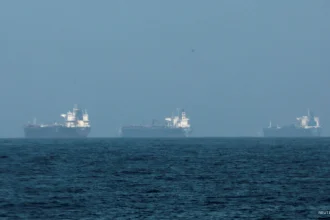
The rollback follows weeks of sharp increases in fuel prices triggered by supply concerns linked to tensions in the Middle East, including disruptions around the Strait of Hormuz, a critical global oil chokepoint through which about a fifth of the world’s oil supply passes.
The Philippines, which relies heavily on imported fuel, has been particularly vulnerable to these global shocks, with higher pump prices affecting transportation costs and the prices of basic goods.
Garin said the government has moved to stabilize supply by securing additional fuel shipments while the conflict continues.
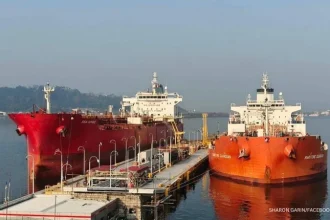
“Dumating na! Shipment of PNOC EC from Malaysia… 329,000 barrels or 52,311,000 liters of diesel purchased by the government to stock up on supply while the Middle East war is not over,” she said.
[Translation: It has arrived! A shipment from Malaysia… 329,000 barrels or 52.3 million liters of diesel purchased by the government to stock up on supply while the Middle East war is not over.]
She said the buildup of inventory is meant to ensure sufficient supply and prevent shortages amid ongoing volatility in global oil markets.
The expected rollback is seen to provide relief to motorists and public transport operators, who have been grappling with rising fuel costs in recent weeks.
The development comes as President Ferdinand Marcos Jr. weighs whether to suspend or reduce fuel excise taxes under Republic Act No. 12316, following recommendations from economic managers.
Officials said any decision on tax cuts will balance the need to ease the burden on consumers with the potential impact on government revenues, while targeted subsidies for the transport sector remain in place.