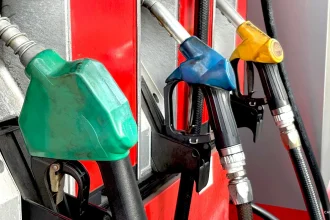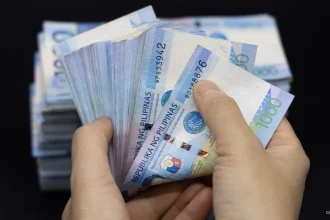

Metro Manila, Philippines – Malacañang said broader fuel subsidies and possible financial assistance for the middle class are under study as the government weighs more measures to cushion the impact of rising oil prices.
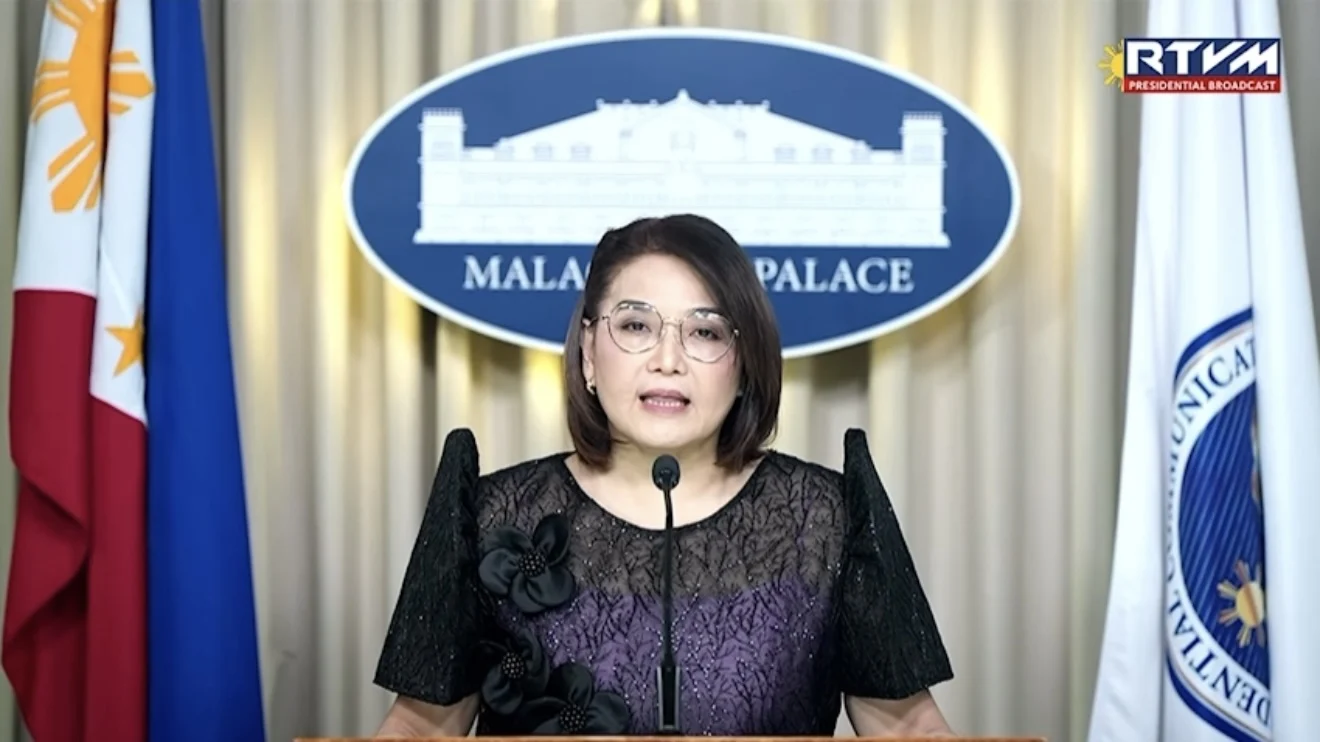
Communications Undersecretary Claire Castro said proposals to expand fuel subsidies beyond targeted sectors, as well as provide aid to minimum wage earners and middle-income households, remain under review.
“Pag-aaralan po iyan,” Castro said when asked about the possibility of the government subsidizing fuel prices across the board.
[Translation: That will be studied.]
Castro said the same applies to calls for cash assistance for workers outside the transport sector, including the middle class.
“Pag-aaralan po iyan, depende rin po iyan sa magiging budget para diyan,” she added.
[Translation: That will be studied, depending on the available budget.]
The Palace earlier highlighted that targeted assistance has already been rolled out, including fuel subsidies for transport workers, discounted fares in rail systems, and free rides in selected routes.
Castro said these interventions were prioritized for sectors most immediately affected by fuel price increases, particularly drivers and operators.
“Nauna lang po talagang bigyan ang nasa transport sector dahil sila po ang unang tinamaan,” she said.
[Translation: The transport sector was prioritized because they were the first to be affected.]
Across Southeast Asia, governments have implemented broader fuel subsidy programs to help consumers cope with global oil price shocks.
Indonesia, the region’s largest economy, maintains one of the most extensive fuel subsidy systems. Malaysia also subsidizes fuel, Thailand has used its oil fund to subsidize diesel prices and stabilize pump costs, while Vietnam has adopted tax reductions and selective subsidies to limit increases in retail fuel prices.
Castro said the government is carefully studying similar options while balancing fiscal constraints and legal limitations.
The Palace also cited the recent signing of Republic Act 12316, which grants the President authority to suspend or reduce excise taxes on petroleum products, as a key tool in managing fuel costs.
However, Castro said the extent of any tax reduction remains under review due to fluctuating global oil prices.
“Under review po siya dahil paiba-iba nga po ang presyo ng produkto ng petrolyo,” she said.
[Translation: It is under review because petroleum prices are constantly changing.]
She added that while there are proposals to expand government intervention, authorities remain bound by existing laws, including the Oil Deregulation Law, which limits direct state control over fuel prices.
“Lahat ng puwedeng gawin within the bounds of law ay gagawin po,” Castro said.
[Translation: Everything that can be done within the bounds of law will be done.]
President Ferdinand Marcos Jr. earlier declared a national energy emergency to allow faster government action and coordination among agencies in addressing supply risks and rising fuel costs.