
Metro Manila, Philippines – The Philippine Chamber of Commerce and Industry (PCCI) said that businesses are studying the possibility of a four-day work week as companies find ways to cope with rising fuel and operating costs linked to the Middle East crisis.
PCCI Chairman Emeritus George Barcelon said the impact of the conflict on businesses could be “quite severe.”
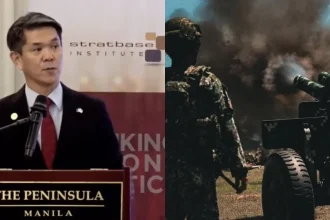
“Apart from the business that is quite severe, the source of oil has been constricted in the Strait of Hormuz… the barrel of oil price has gone up to about $120 per barrel,” Barcelon said in an interview on the sidelines of a Stratbase forum in Makati on Tuesday, March 24.
He said higher fuel costs are impacting economic activity, including mobility in Metro Manila.
“One can notice the traffic here in Metro Manila has eased because the cost is quite prohibitive especially for a middle-class earner,” he said.
Barcelon warned that rising logistics costs have a domino effect on households and businesses.
“Some of the additional cost on logistics would be passed on to the consumer and that may also badly affect the business sectors,” he said.
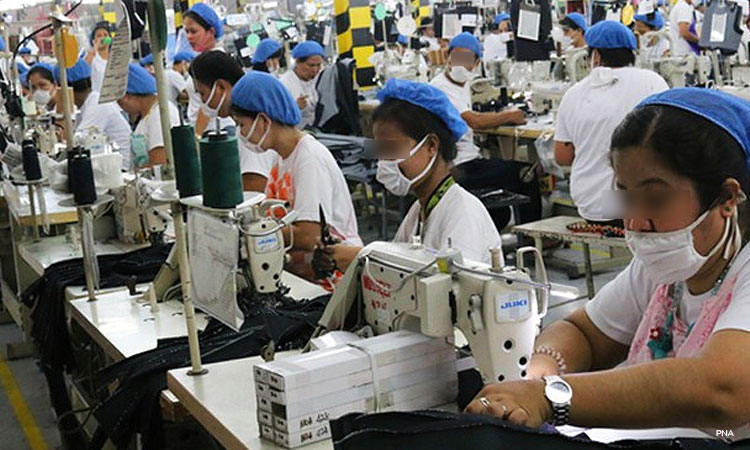
He added that the private sector is reviewing possible adjustments, including flexible work arrangements similar to that implemented during the COVID-19 pandemic.
“I know one of the pronouncements of the government is for a four-day week. We’re studying that and seeing how the private sector would respond,” Barcelon said. “Maybe that would be something that we have to consider.”
Barcelon also urged the administration to implement short-term measures to cushion the impact of the crisis, warning that prolonged conflict could affect overseas Filipino workers and remittances.
He said the weakening peso, driven by higher demand for dollars due to rising import costs for fuel, food and fertilizer, could further complicate the economic outlook.
The proposal for a four-day work week is part of broader discussions between government and industry on mitigating the effects of global oil volatility, as businesses brace for continued uncertainty in the Middle East.