
Metro Manila, Philippines – President Ferdinand Marcos Jr. has declared a state of national energy emergency, citing risks to fuel supply and energy stability as tensions in the Middle East disrupt global oil markets.
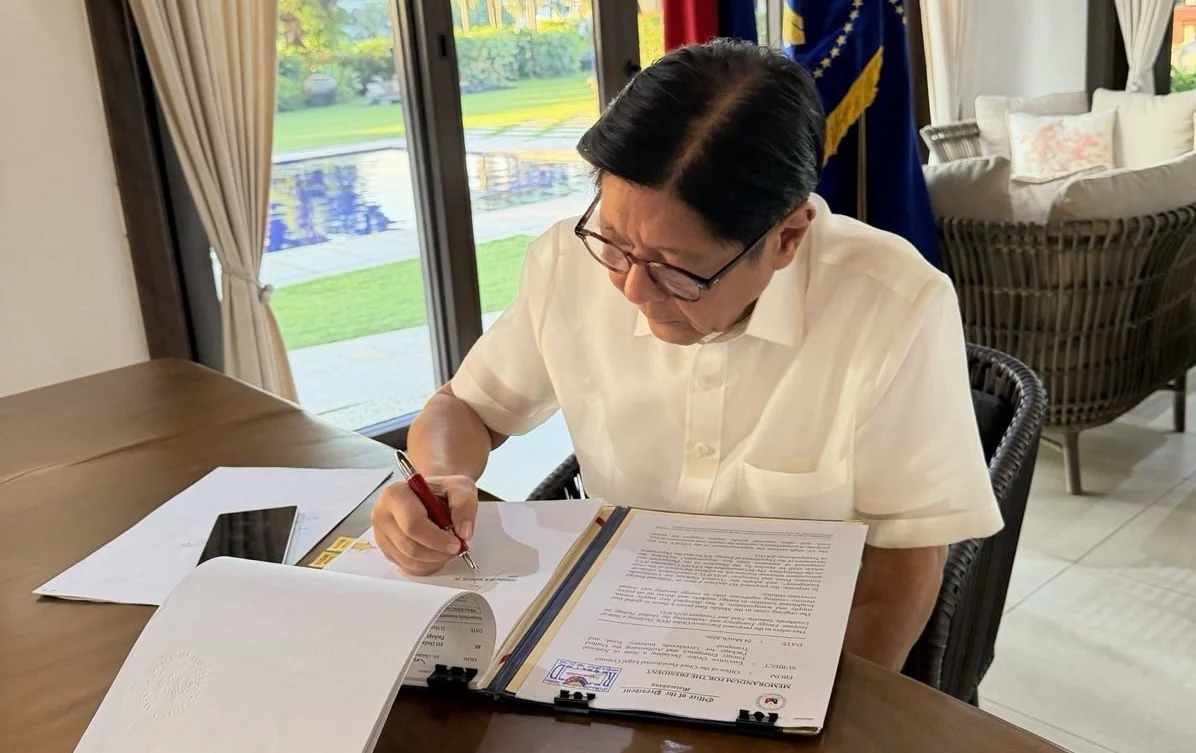
The president signed Executive Order No. 110, warning of potential supply disruptions and price volatility facing the country as a fuel-importing nation vulnerable to external shocks.
Malacañang, however, stopped short of calling the situation a crisis. Officials said in a briefing yesterday that the country still has sufficient supply, and that the declaration was meant as a preventive measure against possible disruptions and price spikes.
The declaration allows the government to implement urgent and coordinated measures to ensure the stability and adequacy of energy supply.
These include enforcing conservation policies, managing fuel allocation, and mobilizing resources across agencies to cushion the impact on consumers and the broader economy.
Central to the response is the rollout of a unified framework called the “UPLIFT” program — or Unified Package for Livelihoods, Industry, Food, and Transport — designed to maintain essential services, support vulnerable sectors, and sustain economic activity.
The order also creates the UPLIFT Committee to oversee the government’s response, with Marcos as chair. Members include the Executive Secretary and the secretaries of Energy, Transportation, Social Welfare and Development, Agriculture, Finance, Economy, Planning and Development, and Budget and Management.
The Department of Energy is tasked to lead fuel supply security and energy management efforts, covering conservation programs, coordination with industry players, and action against hoarding and price manipulation.
Authorities may also fast-track energy projects, streamline permits, and invoke powers under existing laws to stabilize electricity supply and keep prices in check.
To support affected sectors, the government is set to expand fuel subsidies, provide transport assistance, and roll out social protection programs for workers, farmers, fisherfolk, and overseas Filipino workers impacted by the situation.
Local governments have been urged to align with national policies and activate their own conservation measures, while the private sector is encouraged to adopt fuel-saving practices and flexible work arrangements.
The energy emergency will remain in effect for one year unless lifted earlier or extended by the president.