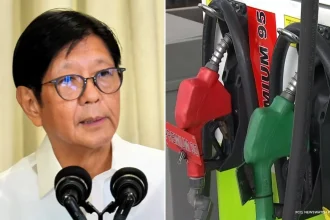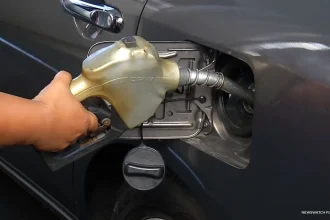

Metro Manila, Philippines – The middle class has asked for government help to cope with oil price shocks, while workers have sought representation in the planned crisis committee.
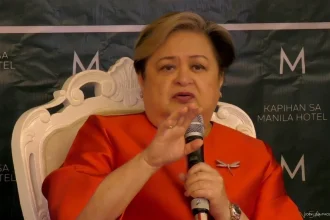
In a news briefing on Monday, March 23, Communications Undersecretary Claire Castro said the government has halved fares in MRT-3 and LRT-2, while raising a possible “Libreng Sakay” or free ride rollout nationwide.
“Kapag po nandiyan na po ang gagawing pag-reduce or pag-suspend ng excise tax, mararamdaman din po natin ito,” she told reporters. “Dahil maybe hindi sila bumibili ng kanilang gasolina, pero indirectly makakaramdam po sila ng kapakinabangan dito.”
[Translation: Once the president reduces or suspends the excise tax on fuel, they will also feel the effect of this. They may not buy gasoline, but they will also indirectly feel the benefits.]
The government is providing a ₱5,000 cash relief assistance to transport drivers, and a separate fuel subsidy. Farmers and fisherfolk will also receive fuel subsidies to help in their livelihood.
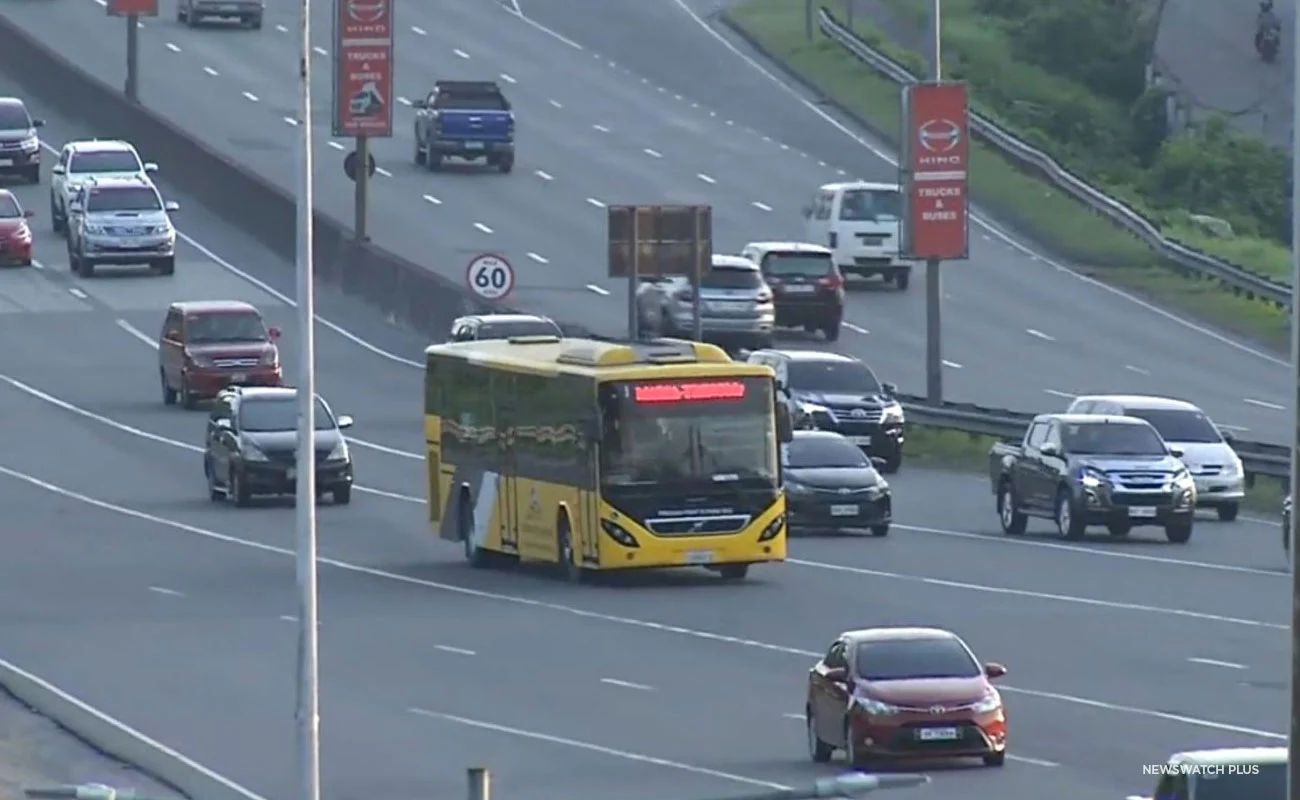
Toll was also discounted for public utility vehicles, public utility buses, and vehicles for freight and logistics services.
Ging Avera said toll discounts must apply as well to private motorists. A resident of Bataan, she said she is now taking a bus to go to her work in Metro Manila, and using only her car around the metro.
“Kailangan natin ng subsidy, not only for commuters, drivers, sa lahat dapat,” she told NewsWatch Plus.
[Translation: We all need the subsidy, not only for commuters and drivers.]
Castro said President Ferdinand Marcos Jr. will also review proposals, if he received copies of it, including the bill of Navotas Rep. Toby Tianco, which seeks a temporary freeze on increases in residential and micro, small, and medium enterprise commercial rental rates and defer housing loan payments without penalties.
Worker voice in crisis committee
Meanwhile, the Trade Union Congress of the Philippines revived calls to pass the ₱200 legislated wage hike, as oil price shocks have significantly affected worker income.
TUCP spokesperson Carlos Oñate said the ₱200 increase will just be “wage recovery” for the lost purchasing power because of inflation.
He said the group is suggesting a special session for Congress to tackle the proposal. The legislated wage hike bill did not hurdle the 19th Congress.
Oñate said the government crisis committee must include a representative from the labor sector.
“Ngayon, araw-araw nag-o-overtime dahil sa compressed work week, bakit laging manggagawa ang magsasakripisyo?” he told NewsWatch Plus.
[Translation: Now, laborers are working overtime daily because of the compressed work week. Why must the workers always have to sacrifice?]
“Kung ano ang ginagawa ng crisis committee dapat merong workers representation…para maisulong hindi lang legislated wage increase…pati ‘yong ibang pamamaraan kagaya na expanded na emergency at calamity loans sa SSS, PAG-Ibig, GSIS, at meron munang temporary moratorium sa amortization payment,” he said.
[Translation: The crisis committee must have workers’ representation to call for the legislated wage increase, expanded emergency and calamity loans in SSS, PAG-Ibig, GSIS, and a temporary moratorium on amortization payment.]
The TUCP is also suggesting an emergency cost of living allowance and expanded free public transportation for workers.