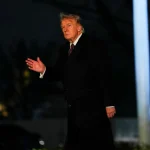

Metro Manila, Philippines – Malacañang said President Ferdinand Marcos Jr. remains in control of the situation amid rising global oil prices linked to tensions in the Middle East, and that there is no need to declare a state of national emergency.
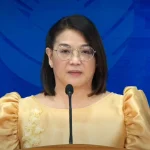
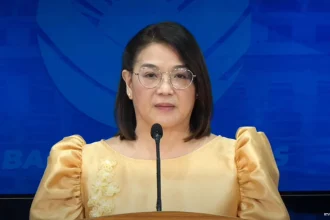
Speaking at a press briefing in Cebu on Tuesday, March 17, Palace press officer Claire Castro said the government is actively managing the impact of the crisis through subsidies, financial aid, and regulatory measures.
“The president and the government are still under control — in control of the situation,” Castro said.
Her remarks were in response to calls from lawmakers, including Trade Union Congress of the Philippines (TUCP) Rep. Raymond Mendoza, urging the president to consider emergency powers to address soaring fuel prices.
Castro downplayed the need for such a declaration, warning against alarmism.
“Iwasan natin ang pagpapakalat ng takot dahil lalo lamang itong nagdudulot ng pangamba sa ating mga kababayan,” she said.
[Translation: Let us refrain from doing activities like fear-mongering. This only adds fear among our people]
Castro said the administration has already rolled out assistance programs to cushion the impact of rising oil prices, including fuel subsidies and cash aid for transport workers, farmers, and fisherfolk.
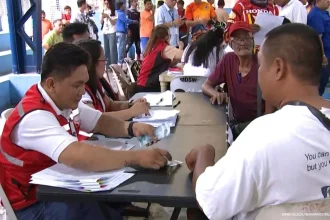
She said nearly 139,000 tricycle drivers in Metro Manila have begun receiving financial assistance, with more beneficiaries expected nationwide.
“The priority of the President is the welfare of the people,” Castro said.
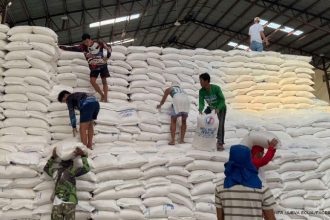
Other measures include reduced aviation fees to stabilize airfare costs and continued distribution of food and agricultural support to ensure supply stability.
Castro said Congress is advancing legislation that could grant the president emergency powers to suspend or reduce excise taxes on fuel.
“The president wants to fast-track the law that will allow the reduction or removal of excise taxes, especially at this time,” she said.
Stronger intervention
On the other hand, labor groups continue to push for stronger government intervention.
Mendoza said the global crisis has become a domestic emergency.
“When a conflict thousands of kilometers away dictates how much a Filipino family eats and spends, it becomes a national emergency at home,” he said.
He urged the government to consider invoking provisions of the oil deregulation law that would allow temporary control over industry operations during emergencies.
Malacañang said coordination with oil companies and existing interventions remain sufficient.
“At this point, we are not in that kind of situation,” Castro said.
[Translation: Sa ngayon, wala pa tayo sa ganoong sitwasyon.]
She added that the Department of Energy continues to engage with industry players to manage price movements without drastic measures.