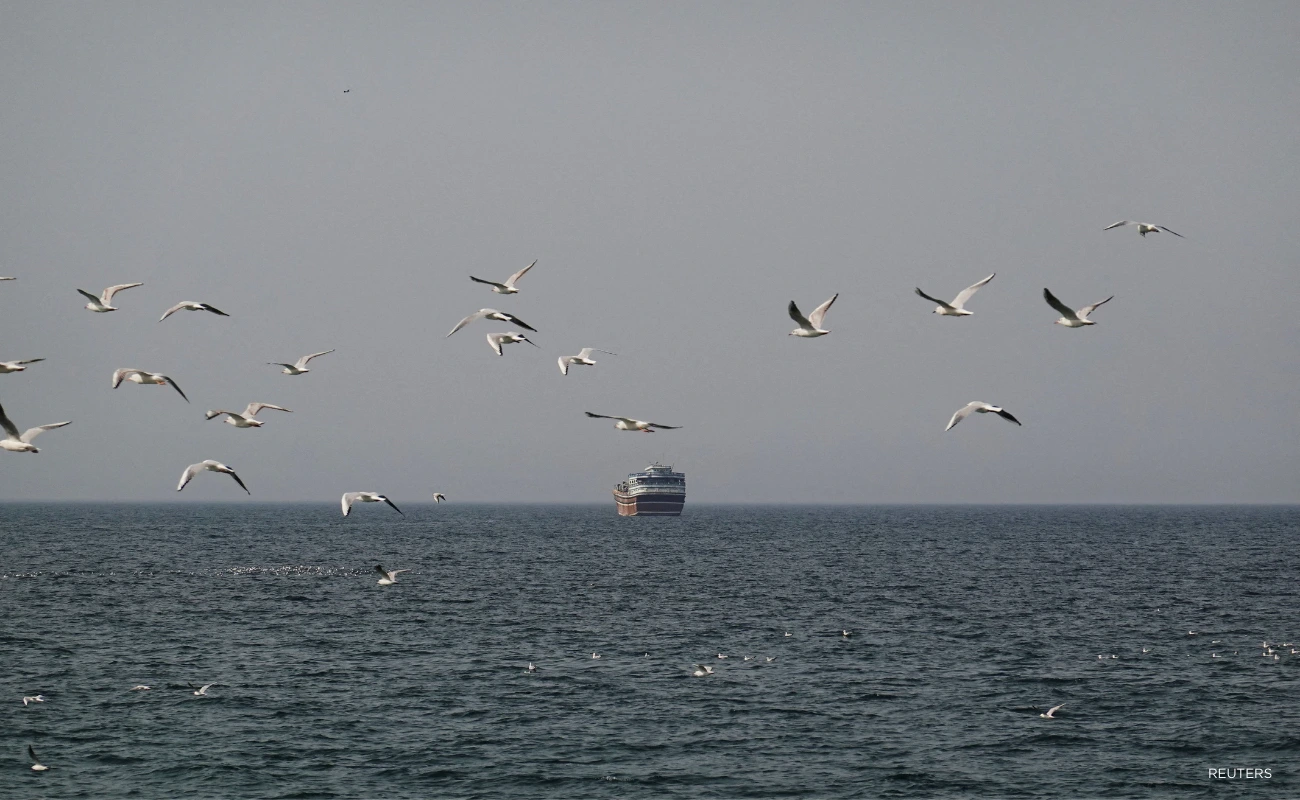

Metro Manila, Philippines – Filipino seafarers now have the right to refuse sailing to the Strait of Hormuz, one of the most critical chokepoints for global trade, after it has been designated a “warlike operations area,” the Department of Migrant Workers (DMW) announced.
Migrant Workers Secretary Hans Cacdac said he signed the advisory on Saturday, March 6, also listing the Persian Gulf and Gulf of Oman as “warlike operations areas,” the highest risk level.
Cacdac said this follows the decision of the Warlike Operations Area Committee of the International Bargaining Forum, which is a mechanism that brings together maritime employers and seafarers’ unions to negotiate wages, benefits, and employment conditions for seafarers on ships.
“Ang mga tripulanteng Pilipino, partikular sa shipowners na nagdadala ng tripulanteng Pilipino, hindi inaasahan na nandoon sa area na ‘yon or else bigyan ng right to refuse sailing…at hangga’t maaari iwasan itong bahagi ng mundo gawa ng napakadelikado sa ngayon,” he said in a video statement.
[Translation: Filipino seafarers, particularly shipowners carrying them, are not expected to be there or else they must be given the right to refuse sailing. As much as possible, this part of the world should be avoided due to its current dangerous conditions.]
The war between US-Israel and Iran have entered its second week, heightening tensions in the Middle East.
Aside from the right to refuse sailing, the “warlike operations area” designation entails repatriation at company’s cost and doubled compensations in the event of death and disability, among others.
Cacdac told shipowners to increase their security arrangements.
He previously confirmed they have received reports of Filipino seafarers in ships anchored off the Strait of Hormuz, and assured the DMW is talking to licensed manning agencies and the shipowners to “get them out of there.”
“In the meantime, on board, their conditions are good enough for them to last until they’re taken out of there. Hopefully, hindi ganun katagal [it’s not that long],” the DMW chief said at a March 4 news conference.
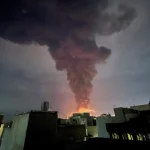
The conflict has already led to the suspension of around a fifth of global crude and natural gas supply, as Tehran targets ships in the vital Strait of Hormuz between its shores and Oman, and attacks energy infrastructure across the region.
Global oil prices have surged more than 25% since the start of the war, driving up fuel prices for consumers worldwide.
A nearly complete shutdown of the Strait means the region’s giant oil producers – Saudi Arabia, the United Arab Emirates, Iraq and Kuwait – have had to suspend shipments of as much as 140 million barrels of oil – equal to about 1.4 days of global demand – to global refiners.
The Philippines, which is dependent on imported oil, is bracing for a mega increase in fuel prices next week. — with a report from Reuters