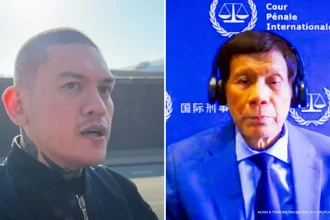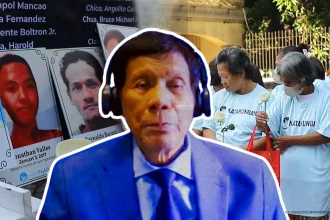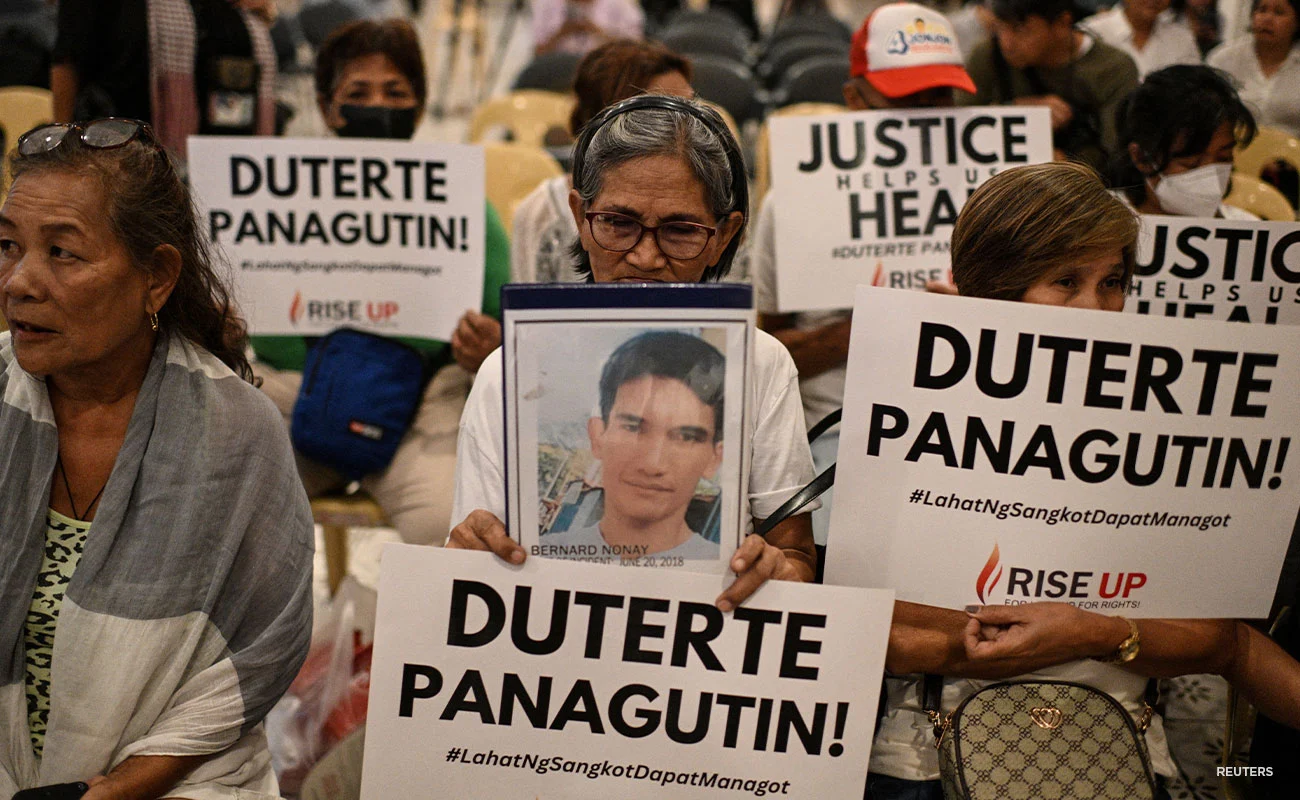

Metro Manila, Philippines – Counsels for the drug war victims believe the evidence against former President Rodrigo Duterte satisfied the requirements to confirm the charges against him before the International Criminal Court (ICC), and argued that the campaign targeted poor and vulnerable communities.
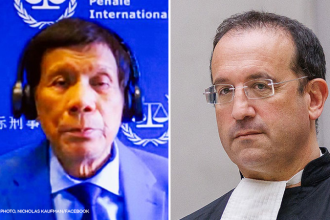
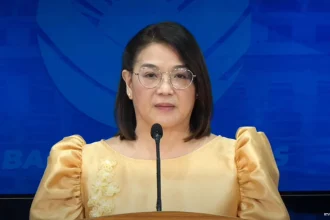
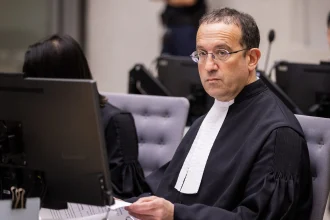
Paolina Massidda, principal counsel, alleged the evidence established reasonable grounds to believe that the murder and attempted murder charges against Duterte were committed in the context of the widespread and systematic attack against civilians.
On Tuesday, Feb. 24, the ICC Pre-Trial Chamber I heard stories of killings during the anti-drug campaign as Massida submitted the merits of Duterte’s case, appealing to judges for a full trial.
The victims were named in drug watch lists of barangays and police stations, seeming targets under the Oplan Tokhang or barangay drug clearance operations.
“The prosecution presented ample evidence showing that each of the contextual elements of the crimes against humanity satisfied the required threshold for confirming the charges,” Massidda said during the second day of the confirmation of charges hearing.
“Victims’ accounts of events corroborate the prosecution evidence and show that the crimes they suffered were not spontaneous or isolated acts of violence but rather a plan directed and organized attack against them,” she said.
Duterte is facing charges of three counts of murder and attempted murder in relation to killings in Davao City during his mayoral term and those committed during his presidency.
Massidda said the pattern in operations conducted by authorities for the war on drugs was “not a coincidence, it is structured.” She said victims who sought justice were ignored.
She cited testimonies that operations involved armed men in police uniforms or civilian clothes with faces concealed.
“They bang on doors and barge into rooms. The attackers do not identify themselves or provide words. Family members report hearing beatings and their loved ones begging for their lives,” she said.
Massidda said these were systematic attacks as there were similar post-incident police reports “with consistent narratives of armed resistance, ‘nanlaban,’” marked with the absence of genuine investigations.
“The court is their last refuge…We ask this chamber to affirm that their suffering matters, that their rights matter, and that the rule of law extends even to the most powerful by confirming all the charges against Mr. Duterte and committing him to trial,” she said.
Poor targeted
Victims’ counsels criticized Duterte’s war on drugs as the evidence “unequivocally” showed individuals targeted by the former president “overwhelmingly” came from poor communities.
Massidda said the conditions in poor communities “create an endearment” where substance use is more likely to emerge.
She said a significant number of those killed had no criminal history and were often accused of minor drug-related conduct or perceived drug use by authorities.
“Rather than addressing the root causes of drug addiction, such as poverty, lack of education, unemployment, and inequality, the Duterte administration framed the issue as a criminal one, focusing on punitive enforcement over social responses,” the counsel said.
“Mr. Duterte’s response was a selective, violent crackdown of the most vulnerable,” she said.
Filipino lawyer Gilbert Andres said the war on drugs “stripped off” the dignity of Filipinos and “publicly dehumanized” the victims of the campaign.
“The victims know, they have seen with their eyes, they have heard with their ears, and they have witnessed the barbarity of the murder wherein their loved ones’ human dignity was never respected,” Andres said.
“Thus, the victims pray that this chamber confirm the charges for crimes against humanity for murder against Mr. Duterte for the sake of the truth and for the sake of justice for the victims,” he said.
“And so that the murderous legacy of Mr. Duterte’s anti-drug campaign will not find new victims in the future,” he said.