
Metro Manila, Philippines – A majority of Filipinos see bribery as the most common form of corruption, while many in the Visayas and Mindanao flag vote buying, a survey commissioned by the Office of the Ombudsman showed.
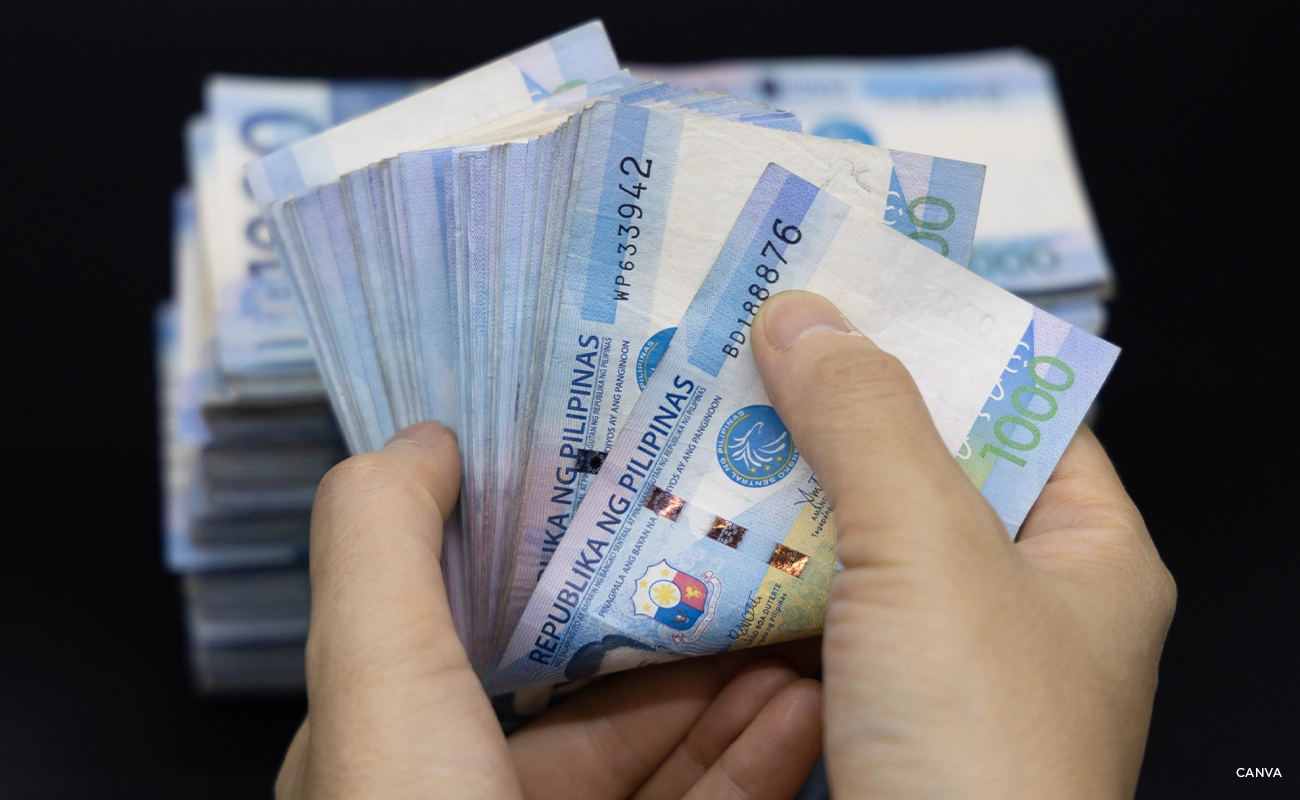
In the poll conducted by the OCTA Research, 73 percent of the respondents called out bribery in routine government transactions.
“Many Filipinos may have directly encountered or observed informal payments in frontline services, making it the most immediate and recognizable form of corruption,” the survey said.
Irregularity in the use of public funds was the second common form of corruption, followed by vote buying and the delivery of slow justice.
The survey said vote buying was a more prominent issue for those in the Visayas and Mindanao – with an almost identical response rate – which OCTA said indicated concerns on electoral integrity.
“These regional variations suggest that anti-corruption challenges are shaped by local political contexts and may require targeted rather than uniform policy responses,” OCTA said.
The survey was held on Dec. 3-11 at the height of the flood control corruption scandal.
A total of 1,200 respondents participated in the poll. It has a ±3% margin of error.
Reviving an old program
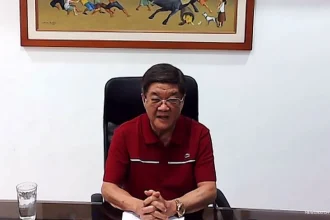
In a press briefing on Monday, Feb. 16, Assistant Ombudsman Mico Clavano expressed concern on the survey outcome.
“The results are very telling because a majority said that it was very difficult or difficult to obtain access to public service or to government services without corruption,” he said.
He said the findings will be referred to as a basis in instituting anti-corruption reforms.
One of which was reactivating the so-called “resident ombudsman program” where identified ombudsmen will be assigned to national agencies vulnerable to corrupt practices.
Clavano said the official will be tasked to work onsite to be a repository of complaints.
“The resident ombudsman will be visible in the host agencies and will be rotated so as not to breed any familiarity and maintain professionalism,” he added.
Clavano said the office is still finalizing the list of agencies, but the Department of Public Works and Highways, Bureau of Customs, and the Bureau of Internal Revenue were already identified to be part of the program.