


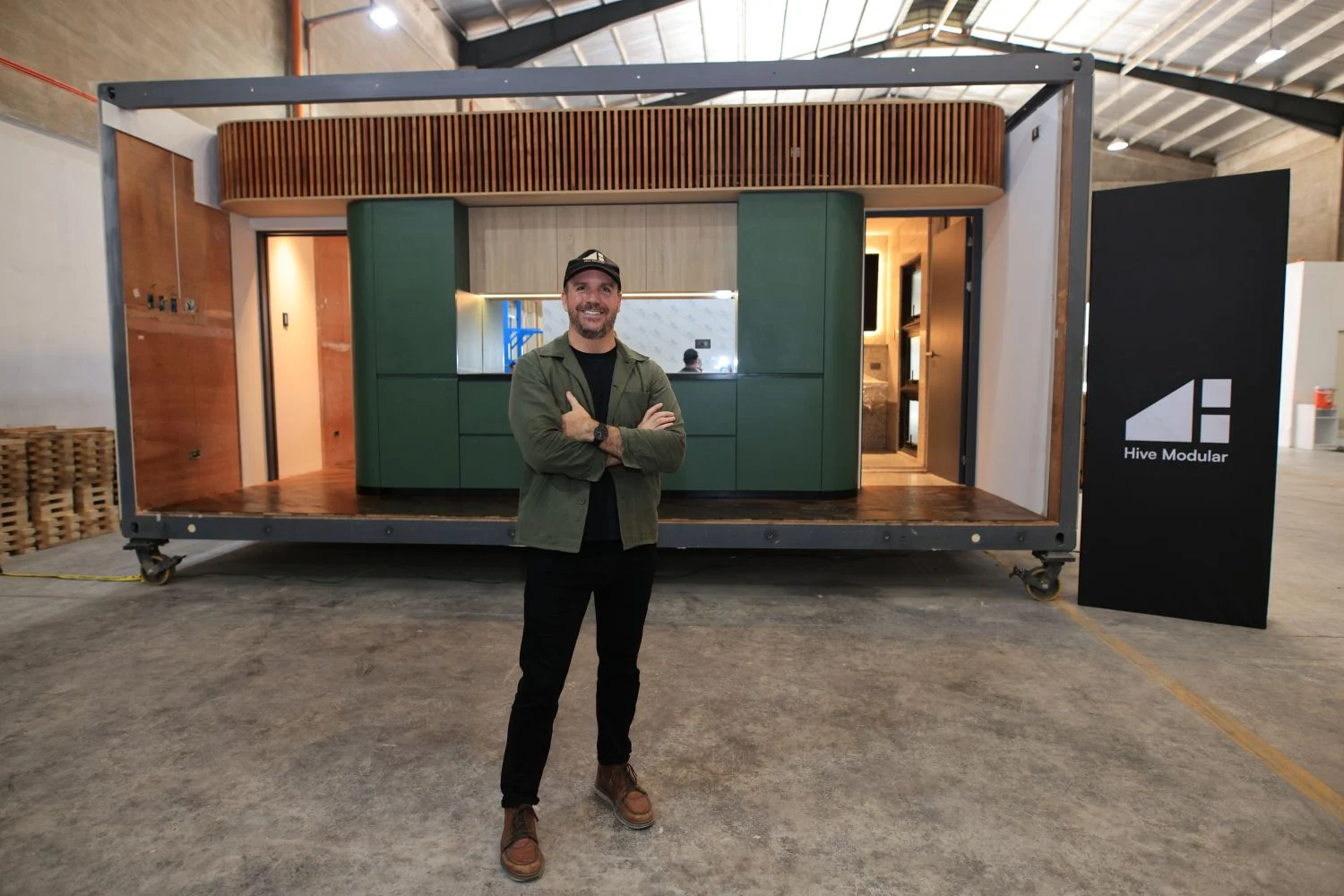

5 ways HIVE Modular could be the future of real estate for most Filipinos
For many Filipinos, the dream life still looks surprisingly specific: steady income, family close by, and a home that feels like yours. In NEDA’s AmBisyon Natin 2040 aspirations survey, a “simple and comfortable life” includes a medium-sized home, and the idea of families living together “in a place of our own.” That line alone explains why housing stays emotional, even when the market gets complicated.
And complicated is exactly what the Metro Manila condo story has been lately. Local reports citing Colliers flagged a worsening oversupply in 2024, long absorption timelines, and high vacancy, while other local market updates suggest the condo market is trying to regain traction with inventory and absorption changing over time. In short, the “small condo as the default path” is no longer as straightforward as it used to be, which makes room for options that sit between a tiny unit and a traditional build that can take over your life.
That’s where HIVE Modular comes in.
1. It matches what Filipinos still want most: a real home they can grow into
A modular home speaks to that “place of our own” dream without requiring you to jump straight into the most stressful version of building. It leans into the thing Filipino families have always done well: start with what’s possible, then improve over time as life changes.
2. It fits the moment, with more people rethinking the small-condo route
Metro Manila’s condo market has been dealing with oversupply and high vacancy, based on local coverage of Colliers data. When that happens, buyers become more careful about livability, long-term value, and whether a compact unit still makes sense as a forever plan. Modular homes start to look appealing here, especially for people who want space that feels more “bahay” than “unit,” without needing a full ground-up construction marathon.
3. It turns the hardest part of building into a more predictable process
This is the practical magic of modular. With structural work handled off-site, the build becomes a blank canvas. Instead of getting stuck in the stress, delays, and labor-heavy demands of on-site construction, homeowners and developers can focus on decisions that actually shape the home: interiors, materials, finishes, and the cultural details that make Filipino spaces feel warm and lived-in.
The factory delivers the structure. You get to define the personality.
4. It gives you flexibility, which is how most Filipino home plans work anyway
Not everyone builds their “final home” in one go. Priorities shift: kids, work, caregiving, budgets. Modular construction naturally supports a staged approach. You can move toward a livable home sooner, then refine and personalize as you go, rather than waiting for everything to be perfect before anything can begin.
5. It scales well for resorts, vacation homes, and developments where speed matters
Modular isn’t just a residential story. For resorts around the world, modular homes and casitas can be manufactured with precision, shipped, and assembled efficiently on site, cutting timelines and reducing reliance on large local labor forces. The result is a faster, more predictable build without sacrificing character, since the destination still defines the look and feel through design and finishing details.
That’s why HIVE feels like a strong “in between” solution: faster and more controlled than traditional building, more personal and home-like than the small-condo template.
Housing in the Philippines is emotional, but it’s also practical. People want a place that feels like a real home, and they want a process that doesn’t turn into years of delays and stress. HIVE Modular sits in that sweet spot, which is exactly why it’s worth watching.