
Metro Manila, Philippines – The Department of Foreign Affairs (DFA) pushed back against critics it described as “casual commentators” and “self-styled extras,” insisting that diplomacy in the maritime domain will not be shaped by public theatrics as tensions persist in the West Philippine Sea.
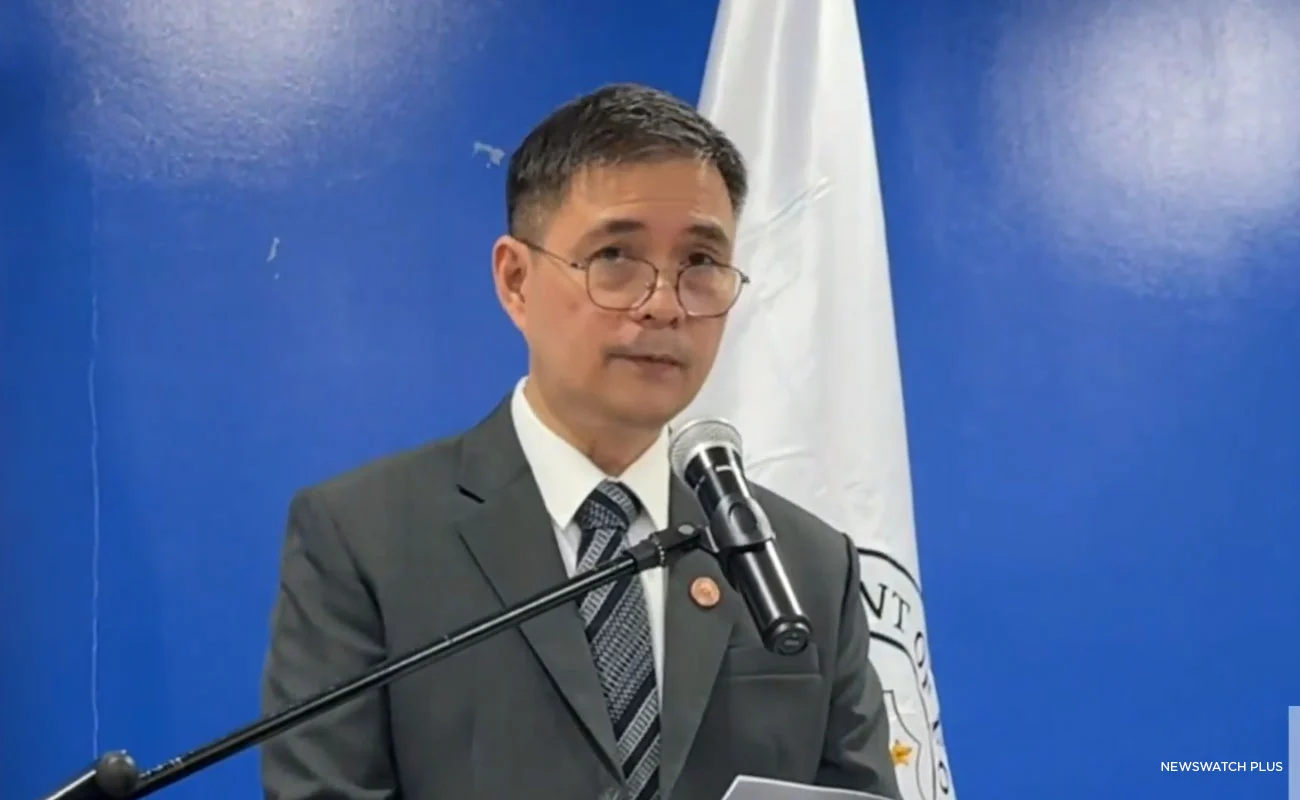
DFA spokesperson for maritime affairs Rogelio Villanueva said the agency remains focused on safeguarding sovereignty and advancing national interests through principled diplomatic engagement.
“The DFA will continue to champion the Philippine position in the maritime domain through the effective use of diplomacy to facilitate responsible and principled approaches that lead to positive outcomes,” Villanueva said in a press briefing on Friday, Feb. 13.
“We will continue to engage our counterparts in a firm and professional manner consistent with the mutual respect that must prevail in all diplomatic interactions,” he added.
Villanueva said the department’s actions are guided by President Ferdinand Marcos Jr., whom he described as the chief architect of foreign policy, and would not be diverted by what he called performative commentary.
“Not to allow ourselves to be sidetracked by the jeers of some casual commentators, non-practitioners, and self-styled extras. The DFA’s professional diplomats ensured that the substance, intricacies, and nuances that drive diplomatic interaction are not trapped within inflexible walls that offer no meaningful alternatives, only immediate gratification, and are inimical to the national interest in the long term,” said Villanueva.
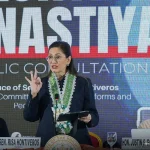
Villanueva also addressed public confusion over a letter from Foreign Affairs Secretary Ma. Theresa Lazaro to Sen. Risa Hontiveros, clarifying that the document was not leaked and had been authorized for public release.
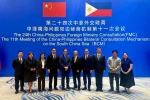
The Chinese Embassy in Manila urged the Department of Foreign Affairs (DFA) to take the lead in managing differences on both sides, on the back of diplomatic exchanges over strong sentiments about the West Philippine Sea.
In a statement, Chinese embassy spokesperson Ji Lingpeng said Beijing values “candid and constructive dialogues” with the DFA and that political consultations between the two foreign ministries had resumed after a yearlong hiatus.
The embassy said recent public exchanges followed criticisms from some Philippine officials and institutions, adding that its responses were meant to defend China’s national interests and dignity.
“A healthy dialogue between China and the Philippines requires constructive statements from both sides,” Ji said, urging Philippine authorities to speak with a unified voice and calling on the DFA to play a “constructive role” in managing disputes while advancing overall bilateral relations.
The DFA has reiterated its position as the “authoritative voice” on maritime issues.
Despite ongoing disputes, Villanueva said the government would continue diplomatic protests and pursue dialogue to manage tensions peacefully.
“Diplomacy is the bigger tool in the maritime toolbox,” he said.