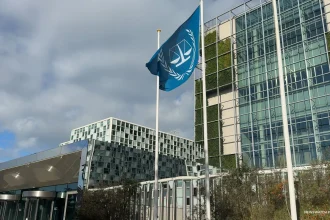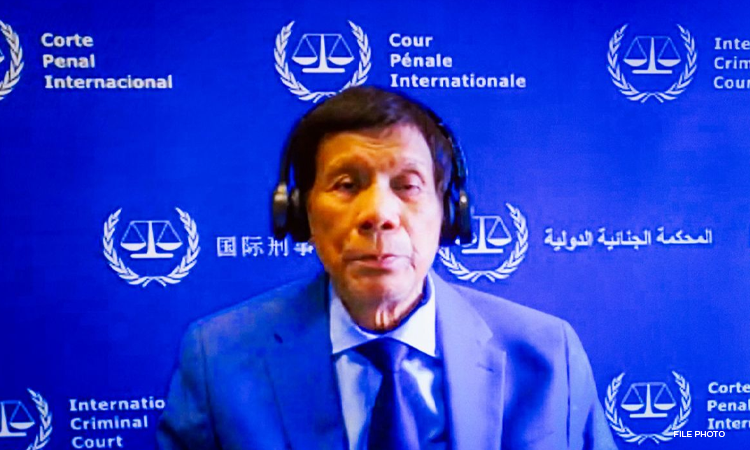

Metro Manila, Philippines – The International Criminal Court is pushing back against mounting criticism and sanctions from the United States and other countries, insisting it remains independent and credible as it faces growing political pressure over high-profile cases.
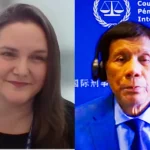
In an exclusive interview on The Newsmaker, ICC spokesperson Oriane Maillet said the court continues to carry out its mandate despite attacks on its legitimacy, including sanctions imposed by Washington against ICC judges and officials.
“The ICC has shown a lot of resilience in the past years,” Mailet said. “What is really important for us is to fulfill our mission — investigating and prosecuting crimes against humanity, war crimes, genocide and the crime of aggression — in an independent and impartial manner.”
The court has come under renewed scrutiny after the United States imposed sanctions on several ICC judges, citing investigations and arrest warrants involving U.S. allies. The U.S., which is not a party to the Rome Statute that established the ICC, has accused the court of overstepping its jurisdiction.
Other countries, including Russia, have also taken retaliatory steps against the ICC, targeting court officials after judges issued arrest warrants related to the war in Ukraine.
Mailett said such measures do not deter the court from its work.
“We’re taking all the necessary measures to continue our important work,” she said. “We have the support of the 125 states that are currently parties to the ICC in this mission.”
Supporters of the court, including European governments and international human rights groups, have warned that sanctions against judges threaten judicial independence and could undermine accountability for the world’s most serious crimes.
Maillet said credibility for the ICC is rooted not in political approval but in adherence to law and due process.
“Doing our work in the most serious, independent and impartial manner, this is really what we’re looking at,” she said, adding that victims around the world rely on the court to act when national systems fail.
While joining or withdrawing from the Rome Statute remains a sovereign decision, Maillet said participation signals a commitment to global accountability. The Philippines has yet to decide on whether it will rejoin the Rome Statute, the treaty that created the ICC.
“Once you have joined the treaty, you are part of a global movement against impunity for the gravest crimes,” she said.
Despite the political backlash, Maillet said the court remains focused on its judicial role.
“The job continues,” she said.