


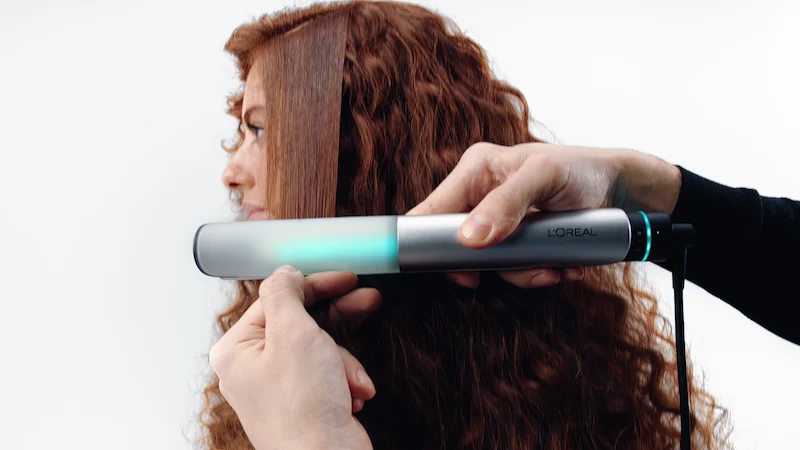

Beauty innovation is evolving alongside the way people live. As routines become more intentional and consumers more informed, the focus is shifting toward tools that feel easier to use, gentler over time, and better suited to everyday life. Beauty today is less about chasing dramatic results and more about finding care that supports confidence, consistency, and long-term well-being.
That shift was visible at CES® 2026, where L’Oréal Groupe introduced two light-powered concepts for hair and skin: the Light Straight + Multi-styler and an LED Face Mask. While still set to launch globally in 2027, these innovations reflect broader changes in how beauty products are being designed and why consumers are paying closer attention to how they work.
Here are five beauty innovations shaping what feels most relevant right now.
1. Gentler Approaches to Hair and Skin
Repeated heat, friction, and aggressive treatments have long been part of beauty routines. Today, more consumers are questioning the long-term effects of those habits.
Infrared-based styling tools, such as the Light Straight + Multi-styler, show how styling can be done at lower temperatures by working within the hair fiber rather than relying on extreme surface heat. For many Filipinos, whose hair and skin already deal with humidity, sun exposure, and pollution, this kind of approach feels more practical and aligned with long-term care.
2. Prevention Becoming Part of Everyday Care
Beauty routines are starting earlier, with more emphasis on maintenance rather than correction. Hair strength, skin texture, and overall condition are increasingly treated as things to preserve over time.
The LED Face Mask introduced by L’Oréal reflects this mindset. Designed to target visible signs of aging such as uneven tone and loss of firmness using red and near-infrared light, it fits into short, regular sessions that support consistency. The idea is simple: smaller habits done often tend to matter more than occasional, intensive treatments.
3. Beauty Tech That Fits Real Schedules
Time plays a big role in whether beauty tools actually get used. Devices that require long sessions or complicated steps often end up ignored.
Newer beauty devices are moving toward lighter designs and automated timing, making them easier to integrate into daily routines. For Filipino consumers balancing work, family, and social commitments, beauty tools that respect time feel far more realistic and sustainable.
4. Tools That Feel Intuitive
Personalization in beauty is becoming quieter and more intuitive. Instead of constant adjustments or technical know-how, some tools now adapt naturally to how they’re used.
The Light Straight + Multi-styler uses internal sensors and algorithms that respond to a user’s styling gestures, helping deliver more consistent results with less guesswork. This kind of design makes beauty feel more approachable, especially for people who want reliable outcomes without mastering technique.
5. Why This Shift Feels Timely for Filipinos
Interest in beauty and personal care continues to grow in the Philippines, supported by wider access to global brands, social media influence, and increased awareness around skincare and haircare. Industry reports show the Philippine beauty and personal care market was valued at around USD 6.37 billion in 2024 and is projected to grow to over USD 11 billion by 2033, driven largely by skincare, haircare, and at-home beauty solutions.
For many Filipinos, appearance is closely linked to confidence, self-expression, and how one presents oneself at work and online. As a result, consumers are becoming more selective, paying attention to safety, longevity, and whether products genuinely fit their lifestyle. Innovations like light-based hair tools and LED skincare devices align with this more thoughtful, care-first approach.
Beauty innovation today is being shaped by real habits and real needs. Tools are becoming easier to live with, more supportive of long-term care, and better aligned with everyday routines. For Filipino consumers who are increasingly mindful of both appearance and well-being, this shift points toward a beauty landscape that values consistency, care, and confidence over quick fixes.