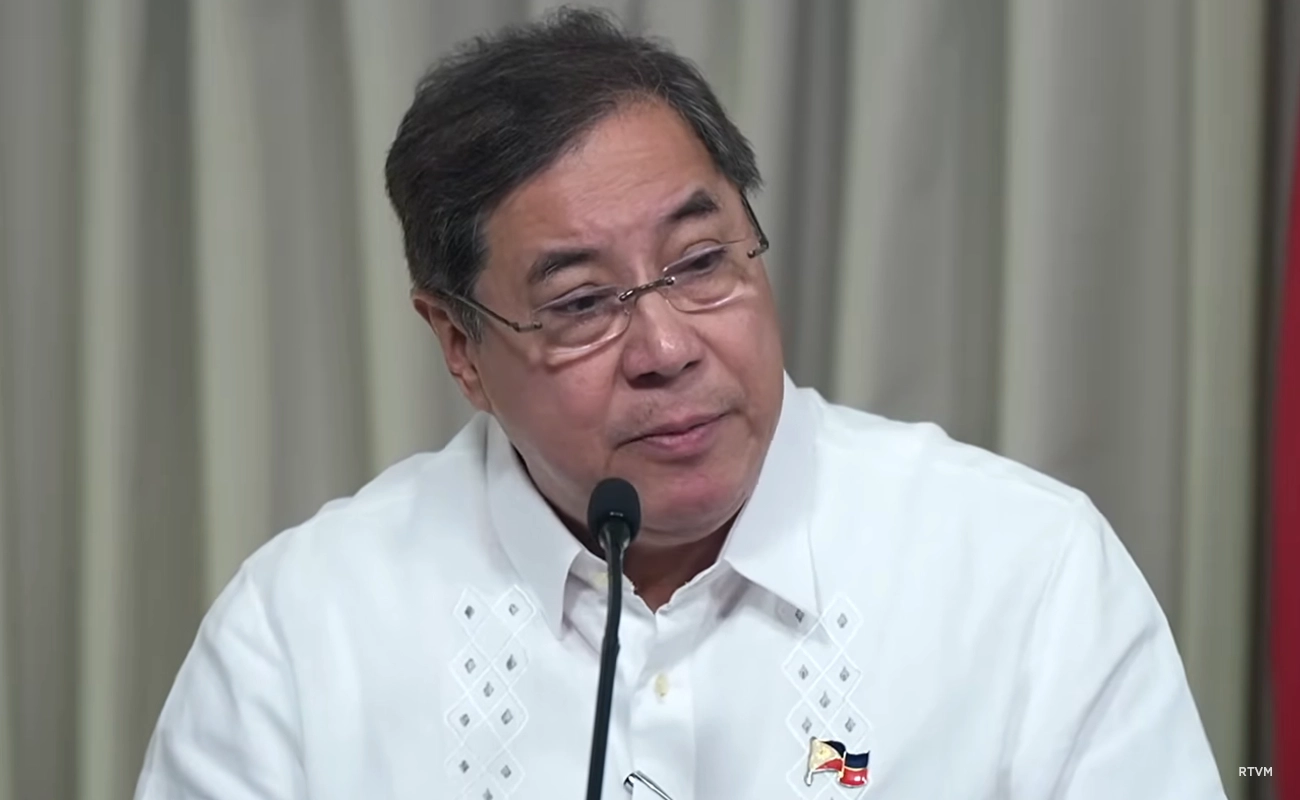

Metro Manila, Philippines – Health Secretary Ted Herbosa said on Wednesday, Jan. 7, that poor beneficiaries do not need guarantee letters from politicians to access financial aid.
His statement amplified a provision banning politicians in the distribution of financial aid, including the Medical Assistance for Indigent and Financially Incapacitated Patients (MAIFIP) program.
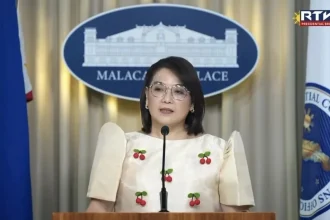
“Constituents are free to ask assistance from their elected officials. But do they need a guarantee letter from them to get assistance? No, they can go straight to the Department of Health (DOH),” he told a Palace briefing.
“We will help them if they need help and if we have the funds, we will provide the funds if they are qualified to get the funds,” he added.
The secretary also said the agency “does not operate on guarantee letters.”
Guarantee letters are endorsements from politicians to help indigent patients pay for hospital bills through DOH funding. Critics called this political patronage.
While the 2026 General Appropriations Act has an “anti-epal” provision, the ban on guarantee letters was not explicitly stated. Herbosa told reporters that “the law actually prohibits a guarantee letter.”
Asked whether government or private hospitals are still allowed to accept guarantee letters from politicians, the secretary said, “If they want to accept a guarantee letter from a politician, that’s up to them.”
“Anyone can guarantee, I can guarantee to pay for you, but the one who writes the guarantee pays for it,” he said.
He assured MAIFIP patients that the zero-balance billing in basic accommodation is in effect in 87 DOH-run hospitals.
RELATED: Expanded free medical services to prioritize Level 3 LGU hospitals – DOH
The DOH has P1 billion to expand the policy to hospitals run by local government units, through the budget of hospitals, MAIFIP, and state insurer PhilHealth. The MAIFIP has a total of P51 billion this year.
Herbosa said the revised MAIFIP guidelines are in the works, and will be released by end-January or mid-February. In the meantime, the program will follow the 2025 implementing rules and regulations.
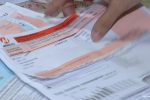
Medical social workers will assess the eligibility of indigent and financially incapable patients through documents such as hospital bills, prescriptions, clinical abstract, and valid identification cards.