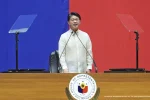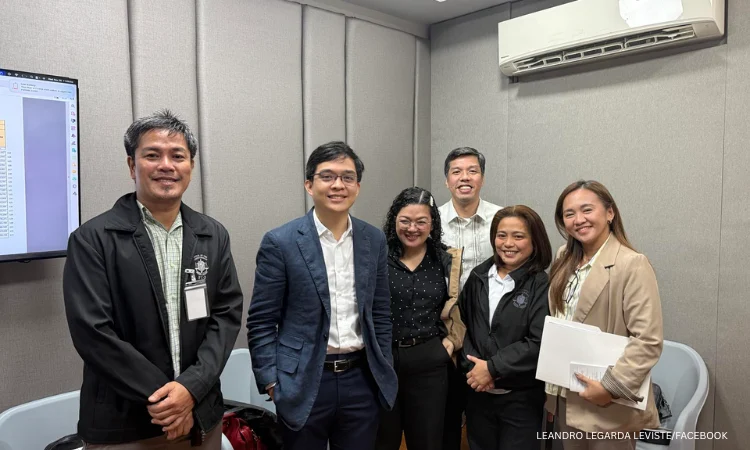

Metro Manila, Philippines – Batangas 1st District Rep. Leandro Leviste refused to present the full set of alleged files from the late Department of Public Works and Highways (DPWH) Undersecretary Catalina Cabral when investigators approached him on the supposed list – when the official was still alive – the Office of the Ombudsman said.
In a video message on Monday, Dec. 29, Assistant Ombudsman Mico Clavano said Leviste only showed them limited portions of the list, in response to specific inquiries.
The neophyte lawmaker earlier claimed that the ombudsman has copies of the supposed documents.
“This will differ from the congressman’s public statements suggesting that the full Cabral files had already been shown to or reviewed by the Office of the Ombudsman,” Clavano said.
Leviste has been releasing unverified documents supposedly given to him by Cabral since the undersecretary’s controversial death on Dec. 18. This included an alleged summary of the 2025 DPWH budget per district.
Clavano revealed that the ombudsman’s office has been approached by multiple sources claiming to possess copies of the documents.
He noted that the most reliable source of documents “are actually the agencies and individuals who had custody, who had control and even authorship of the computers, the storage devices, and the files themselves.”
Clavano said the office is preparing to conduct a digital forensic examination of Cabral’s computer, after it was turned over to them by the DPWH last week.
Third party soft copies not conclusive evidence
Meanwhile, the assistant ombudsman stressed that the third party soft copies of the so-called Cabral files cannot be treated as conclusive evidence.
“The Office emphasizes that soft copies of documents held by third parties, especially those in the format of Word or Excel, inherently lose evidentiary credibility as they are susceptible to alteration, incomplete context, or manipulation,” he said.
Clavano also said evidence derived from government data “will naturally carry far greater evidentiary value than copies that are circulating outside official custody.”
“Alleged insertions that are supposedly in these files still need to be carefully examined to determine whether these projects were actually implemented or if they turned out to be ghost projects. An insertion by itself is not automatically illegal. It will only become criminal if it is proven to involve fraud, misuse of public funds, or non-existent projects,” he added.
‘Did not seem interested’
In a statement on Dec. 29, Leviste said Ombudsman investigators “did not seem too interested” when he supposedly told them to go through the files during their meeting on Nov. 26.
“Their questions to me during our meeting were more about projects linked to Congressman Edwin Gardiola (the agenda of our meeting as per their letter, attached), and I was the one showing them the file which I said would be helpful for all their investigations, and the team was more focused on their assignment to build a case on Congressman Gardiola,” he said.
Gardiola is one of the eight “cong-tractors” or congressmen linked to construction firms that bagged infrastructure projects.
The Batangas lawmaker also claimed that he initiated another meeting, but the ombudsman did not get back to his team.
Leviste suggested to countercheck with other sources, responding to the ombudsman’s concern that the soft copies of files may be altered, thus cannot be treated as conclusive evidence.