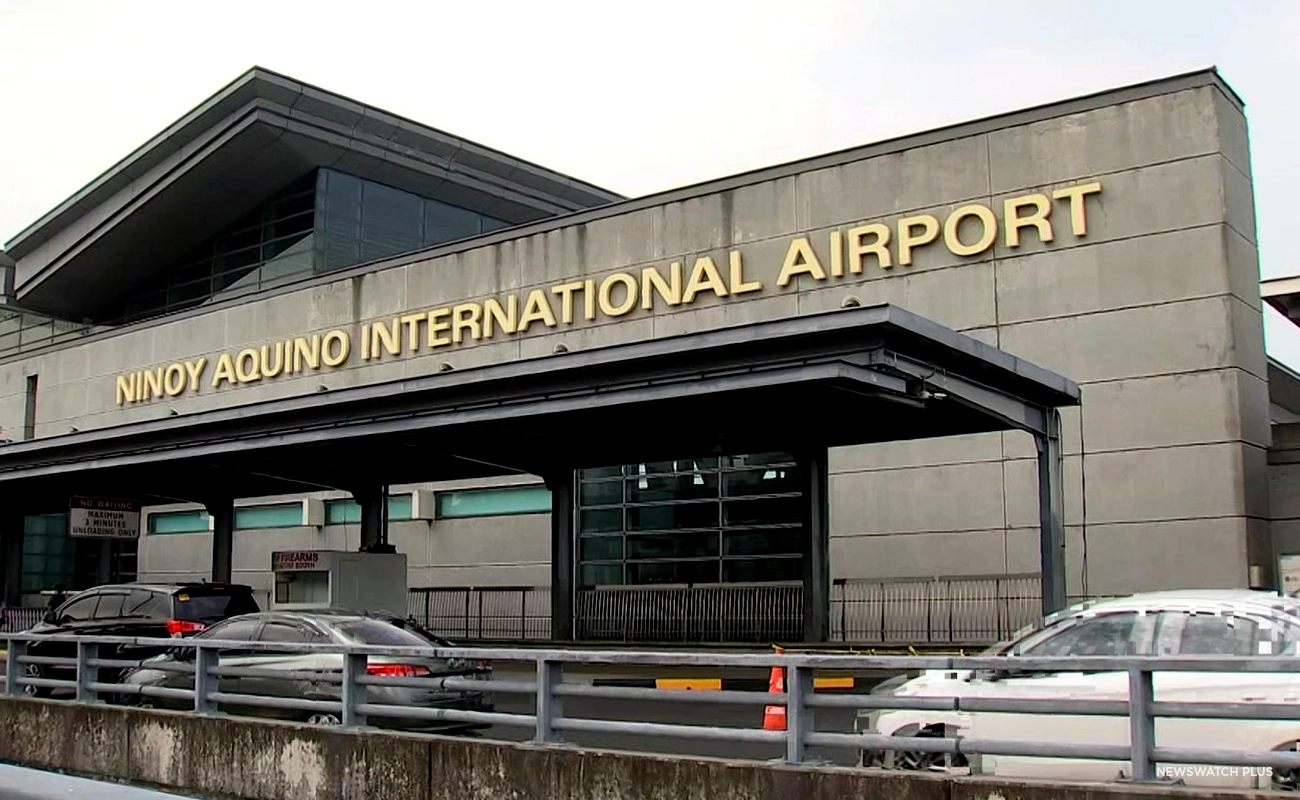

Metro Manila, Philippines – Passenger traffic at Ninoy Aquino International Airport (NAIA) during the 2025 holiday travel period from December 20 to January 4 is projected to rise about 5% from last year to around 2.55 million, airport operator New NAIA Infra Corp. (NNIC) said.
NNIC forecasts NAIA to also handle over 13,700 flights exceeding last year’s holiday levels, as traffic is expected to rise across all terminals, led by Terminal 3.
On Saturday (December 20), 171,306 passengers passed through NAIA, the highest single-day passenger volume in the airport’s history, as holiday travel peaked at the Philippines’ main aviation hub. Flight activity also reached a high, with 950 movements recorded on the day, NNIC said.
Terminal 3 accounted for more than half of the total passenger volume, handling over 90,000 passengers — the largest share among all NAIA terminals.
Despite the volume, NNIC said airport operations remained stable, supported by coordinated airside management involving gate allocation, airside control, and ramp operations. The company credited its airside operations teams for managing aircraft movements and gate utilization under peak demand conditions.
NNIC added that close coordination among government agencies and private-sector stakeholders operating at the airport was critical in managing the surge, particularly in areas such as air traffic flow, immigration processing, ground handling, and terminal operations. The airport’s performance, it said, depends on multiple entities functioning as a single system, especially during peak travel periods.
The strong holiday traffic comes as NAIA continues to operate beyond its original design capacity. NNIC said operational and facility upgrades introduced since it took over airport operations a little over a year ago have helped improve passenger flow and system efficiency during peak periods.
These include the rollout of new biometric immigration e-Gates and passenger processing systems, as well as the opening of additional passenger spaces at Terminal 3, including new food halls and waiting areas.