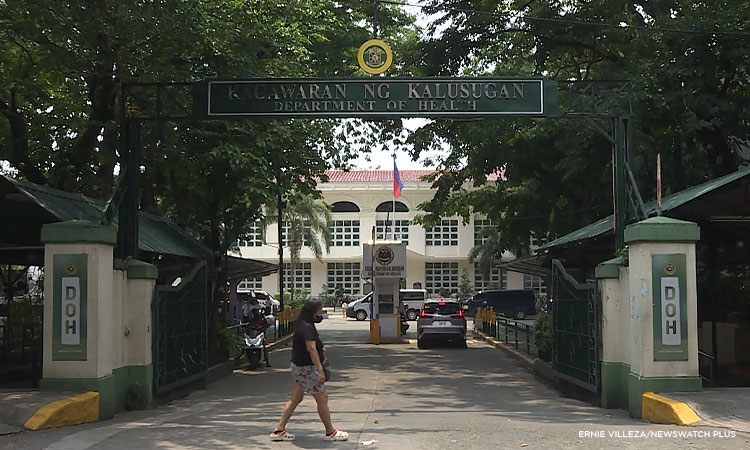

Metro Manila, Philippines – The Department of Health (DOH) said it is studying the further expansion of “zero-balance” billing coverage to at least semi-private room accommodation, as the current policy is only implemented in basic or ward lodging.
“Ngayon, kapag nagpa-admit sa private or semi-private [rooms], di ka na kasali sa zero-balance [billing],” Health Secretary Ted Herbosa said in a chance interview on Friday, Dec. 17.
“Iniisip namin baguhin ito lalo sa mga nagtatrabaho, ‘yong mga direct members na nagko-contribute [sa PhilHealth], kasi ‘yong mga indirect, ‘yon yong mahihirap o indigent, talaga namang dun lang sila magpapa-admit sa ward,” Herbosa said.
[Translation: Currently, you will not be covered by the zero-balance billing policy if you are admitted to private or semi-private rooms. We are thinking of changing the policy for direct members of PhilHealth, as indigent patients can only be admitted to wards.]
Asked if this is feasible, the DOH chief noted the increase in the Philippine Health Insurance Corporation’s (PhilHealth) budget in 2026.
The bicameral conference committee increased the state insurer’s funding to P129.7 billion, which included the P16 billion realignment from the Department of Public Works and Highways and the Supreme Court’s order to return around P60 billion from the national treasury.
The study comes as Herbosa said the government is sure to widen the implementation of the zero-balance billing policy to hospitals operated by local government units next year.
The zero-balance billing currently only covers 87 DOH-run hospitals.
The DOH earlier proposed to the Senate to put in place a special provision for the Medical Assistance for Indigent and Financially Incapacitated Patients (MAIFIP) in the 2026 budget bill, wherein 80 percent of the funding will go to the execution of zero-balance billing in local government-run Level 3 hospitals.
Herbosa said they are still waiting for the final percentage written in the special provision, as he said three versions were presented in the bicameral conference committee finalizing the 2026 budget.
Herbosa weighs in on MAIFIP fund hike criticism
Meanwhile, Herbosa rejected criticisms of the bicam’s decision to boost funding for MAIFIP to P51.6 billion, which was more than double the amount from the 2026 National Expenditure Program (NEP).
Health groups and some lawmakers, including Senate Deputy Majority Leader JV Ejercito, appealed to direct instead more funding to PhilHealth rather than the medical aid for poor patients.
“Disagree ako dun sa nagbibigay ng panukala sa PhilHealth, kasi ang PhilHealth di ganun kabilis may delay talaga…pati private nagrereklamo sa amin na di sila binabayaran,” Herbosa said.
[Translation: I disagree with the proposal for PhilHealth because PhilHealth has reimbursement delays…The private sector is complaining to us that they are not being paid.]
The secretary also dismissed the criticism that MAIFIP is “pork barrel” because the payment is directed to hospitals, not the patients.
He said that he has suggested to President Ferdinand Marcos Jr. to increase the DOH’s budget for maintenance and other operating expenses and personnel services in the 2027 NEP so that public hospitals can serve more patients.