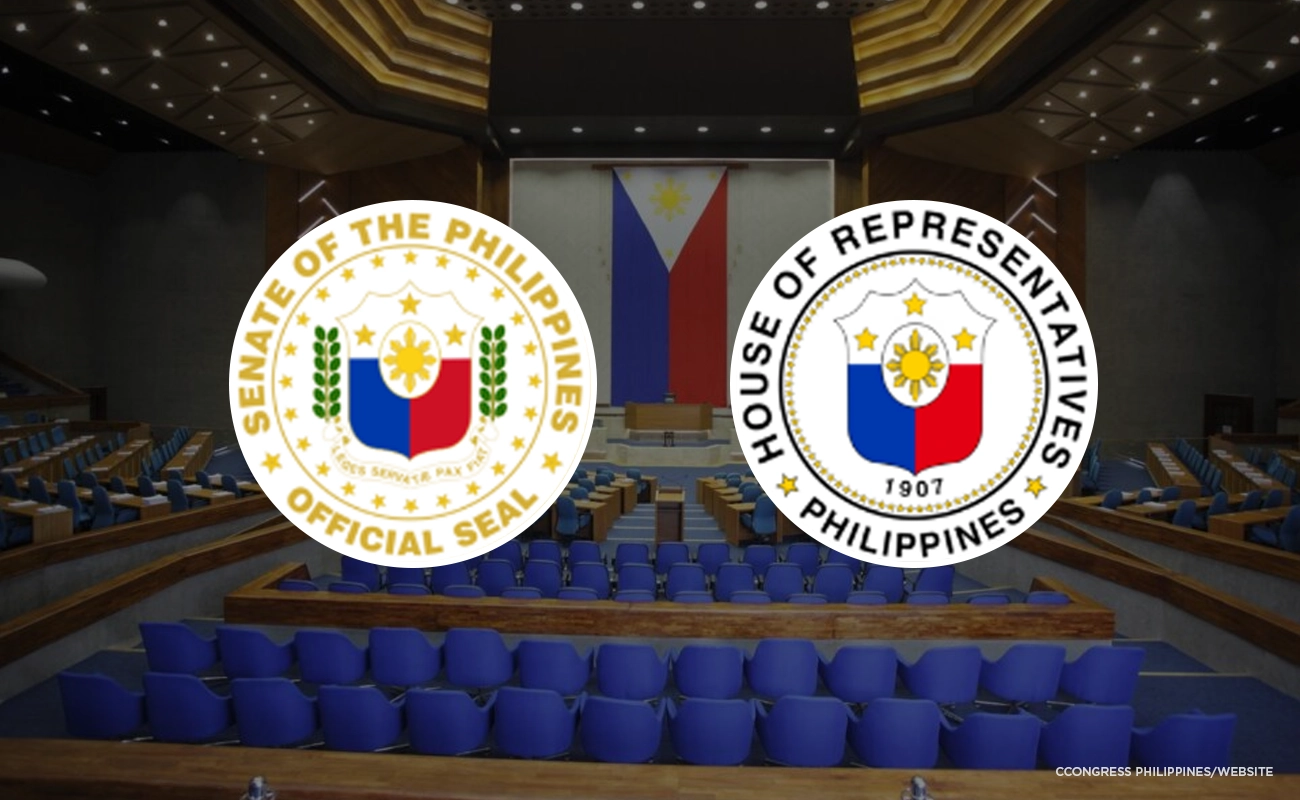

Metro Manila, Philippines – A controversial medical assistance program for poor patients received a significant funding boost during the bicameral conference committee meeting after Senate members granted the appeal of their House counterparts.
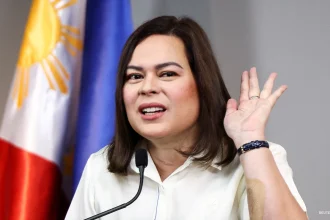
During the bicam meeting on Saturday, Dec. 13, House appropriations committee chairperson Mika Suansing moved to allocate ₱51.648 billion for the Medical Assistance to Indigent and Financially Incapacitated Patients (MAIFIP) under the Department of Health.
This is more than double the amount originally proposed by the executive branch under the National Expenditure Program, which stood at ₱24 billion. The House earlier raised the allocation to ₱49.2 billion in the version it approved on third reading, while the Senate allotted ₱28 billion.
House Deputy Speaker Ronaldo Puno earlier criticized the budget reduction made by senators. Senate finance committee chairperson Win Gatchalian countered that it could not be considered a cut, explaining that senators merely followed the amount requested by the DOH rather than adopting the House’s increase.
Members of the House contingent each appealed during the bicam meeting.
Suansing emphasized that MAIFIP funds will support the implementation of zero-balance billing in hospitals. She also warned that more than one million patients could lose access to medical assistance if the Senate version were adopted.
“Ganoon po katindi yung potential impact. Bababa ‘yung bilang ng pasyente na maseserbisyuhan natin,” Suansing said.
[Translation: That is how severe the potential impact is. The number of patients we can serve will significantly decrease.]
The argument appeared to catch Gatchalian’s attention, prompting him to ask for details on MAIFIP beneficiaries.
Suansing said the program has served 3.3 million beneficiaries so far this year with a ₱41.2-billion fund, adding that this number would drop to only 2.1 million beneficiaries under the Senate version of the 2026 budget.
Palawan Rep. Jose Alvarez appealed to Senate members to reconsider, noting that the program serves as a temporary remedy to the “imperfect” implementation of the Universal Health Care law.
“Walang funding dito na dumadaan sa kamay ng politician. Diretso ito from the DOH regional office, diretso binabayad ito sa mga hospitals when the bills are forwarded to them,” Alvarez said.
[Translation: No funding passes through the hands of politicians. The funds go directly from the DOH regional offices to the hospitals once the bills are submitted.]
Senator Loren Legarda expressed support for the House proposal but stressed that MAIFIP must not be used for patronage politics. She added that the Philippine Health Insurance Corporation (PhilHealth) should improve its performance in the coming fiscal years.
Senator Francis “Kiko” Pangilinan sought for safeguards to “insulate the program from politicking.”
The bicameral conference committee, tasked with reconciling differences between the House and Senate versions of the proposed ₱6.793-trillion national budget for next year, is holding livestreamed meetings this weekend—marking a first for the bicam.
The open bicam is a response to calls for transparency amid the flood control corruption controversy, as the committee has long been criticized for closed-door meetings that allegedly enabled budget insertions and kickbacks.