Metro Manila, Philippines – A lawmaker has rejected the idea of reviving joint oil and gas exploration talks between the Philippines and China in the West Philippine Sea, urging the government to explore these resources independently.
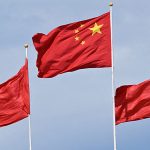
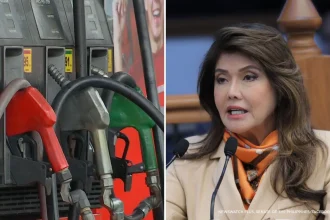
“Secretary Manalo should not compromise our sovereign rights over the WPS by considering joint oil and gas exploration in said seas with China,” Cagayan de Oro Representative Rufus Rodriguez said in a statement on Saturday, March 1.Rodriguez was reacting to Foreign Affairs Secretary Enrique Manalo’s statement in a NewsWatch Plus interview, where he said joint exploratory talks remain an option for Manila and Beijing.As far as the government level is concerned, we had some talks last year, but unfortunately, there was no agreement. So we haven’t closed the door on possible talks in the future,” Manalo said.For Rodriguez, it is “illusory” for any government official—or any Filipino—to think that China will recognize the Philippines’ rights in the West Philippine Sea.“Our Department of Foreign Affairs and Secretary Manalo should entirely drop this idea of joint exploration or any other economic agreement on the WPS with China. They are wishing for the moon if they think Beijing will eventually soften up,” he added.Rodriguez also reminded Manalo and the DFA that the Supreme Court ruled last year that the 2005 Joint Marine Seismic Undertaking (JMSU), signed by the administration of then-President Gloria Macapagal Arroyo with China and Vietnam, was unconstitutional.“The JMSU was just a survey. The Supreme Court ruled that it violated the Constitution. What more if it were a joint gas and oil exploration? The Philippines and Filipinos should do it alone so we can benefit exclusively from the rich resources inside our exclusive economic zone,” he said.In the interview, Manalo emphasized that for any talks to proceed, both sides must meet the necessary legal conditions.