
To sum up
+ There has been an increase of late in local aircraft veering off the runway surface: one in Busuanga airport that caused flight delays, and at Plaridel airport that left a pilot injured.
+ Triggers include rainy weather, pilot error, and mechanical issues.
+ Safety protocols for both pilots and passengers cannot be overemphasized.
Metro Manila, Philippines – Authorities have reported some local airlines overshooting the runway in local airports.
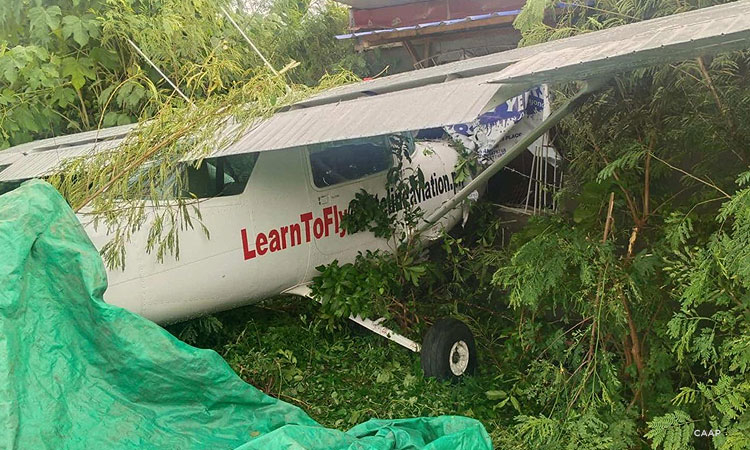
On Sunday, a Philippine Airlines aircraft with 53 passengers and four crew members went beyond the runway at Busuanga airport in Palawan, resulting in flight delays.Just a day before, a pilot was reported injured when a Cessna overshot the taxiway at Plaridel Airport in Bulacan.
Why does this happen?
Combination of factors
In an interview with NewsWatch Plus, Capt. Chuck Aquino, Civil Aviation Authority of the Philippines Flight Standards Inspectorate Service head, cited a number of reasons for such events.
Aquino said weather could be a reason, just like what happened in Busuanga airport.
“It was raining. That’s one factor. Another factor would be pilot handling, it could also be an aircraft system wherein you don’t have sufficient brakes to stop the runway,” he explained.
Aquino said airplanes may have similar problems with cars when roads are wet. “Typically you would experience that in a car you’d skid, you’d start skidding and that normal caution on the road signs saying cautions slippery when wet. That also happens in an aircraft,” the aviation official said. He said an investigation is underway to determine the cause of the incident in Busuanga.Aside from weather, Aquino said pilots may also encounter mechanical issues that may sometimes cause overshooting. “At Plaridel, that was a training flight and based from what we saw again, it could have been a mechanical issue. But the fact that we saw it bouncing off the runway, that should have necessitated a go-around already,” he said.
How to keep safe
When these things happen, Aquino advised pilots to carefully weigh their next move to prevent and minimize harm. “You first establish, is there a danger of the aircraft catching fire because that would necessitate an evacuation. Next are there any injuries because that would now require medical attention,” he explained.Aquino said pilots should also evaluate whether evacuating the aircraft would be safer or not. The aviation expert then urged passengers to pay attention to safety briefings before the flight.