Story highlights
Tense relations: PH top diplomat remains concerned over China’s assertiveness in the South China Sea
Impact of Downgrading Ties: Experts warn that downgrading diplomatic ties with China could harm economic, cultural, and diplomatic relations “A bit choppy.”
Metro Manila, Philippines— “A bit choppy.”
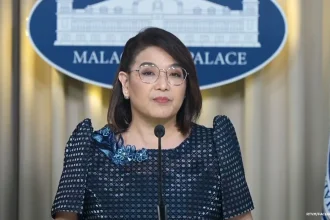
Foreign Affairs Secretary Enrique Manalo was direct in describing Philippine-China relations over rising tensions in the South China Sea.
The Philippines has filed over 150 diplomatic protests against China since President Bongbong Marcos took office. Despite the two sides maintaining that the maritime dispute does not define bilateral relations, it appears to be causing a strain. “I would say though, they’re a bit choppy. There are many issues that have come up recently,” said Manalo. He said China’s assertiveness in the South China Sea is inconsistent with international law. China has continued harass to our fishermen and try to block our efforts to resupply in Ayungin Shoal and Scarborough Shoal. They’re not consistent with international law, especially the UN Convention on the Law of the Sea and the 2016 Arbitral Award, so these actions have been a cause for raising tensions. We’re merely trying to assert our rights,” said Manalo in a talk with reporters on Wednesday. May 22. The description comes on the heels of a Senate probe into the alleged wiretapping of a phone conversation committed by a Chinese diplomat against a Philippine military official, a new Chinese Coast Guard regulation detaining “trespassers” in the South China Sea, and reports of reclamation and marine life destruction.
Downgrading of PH-China ties
“We are not there yet.” This was the response of Manalo when asked if the maritime tensions could lead to a downgrade of ties with the world’s second-largest economy. “Downgrading diplomatic ties with China will surely impact our overall ties with them because diplomatic engagements will be limited, which will in turn impact economic, cultural, and people-to-people relations,” said Aaron Jed Rabena, an international relations expert. Rabena said powerful economies and other countries do not cut ties with Beijing amid existing conflicts on a number of issues. “It is important to note that despite India, Vietnam, Japan, and the US’ political disputes with China, they all have not downgraded bilateral relations with Beijing,” he added. For another expert, cutting ties with China is a ‘mistake.’ “The Philippines continues to engage in multiple levels with China, especially in terms of trade. Therefore, it is a mistake to simply assume that if Manila stands up for its sovereignty and sovereign rights in the WPS, that will lead to a downgrade in overall ties. This is not the case for other nations that are pushing back Chinese assertiveness, including Japan and the US,” said geopolitical analyst Don McLain Gilli in a message to NewsWatch Plus. “China is the Philippines’ largest trade partner, and the South China Sea is not just an issue between Manila and Beijing. Infrastructure, tourism and investment from China were already affected by the mishandling of the long-running sea row. Downgrading ties will only harm both sides,” said Lucio Pitlo, a foreign relations expert. There might be more economic fallout and escalation of tensions in choppy waters. More diplomacy and dialogue not downgrading already worsening ties are needed,” he added.