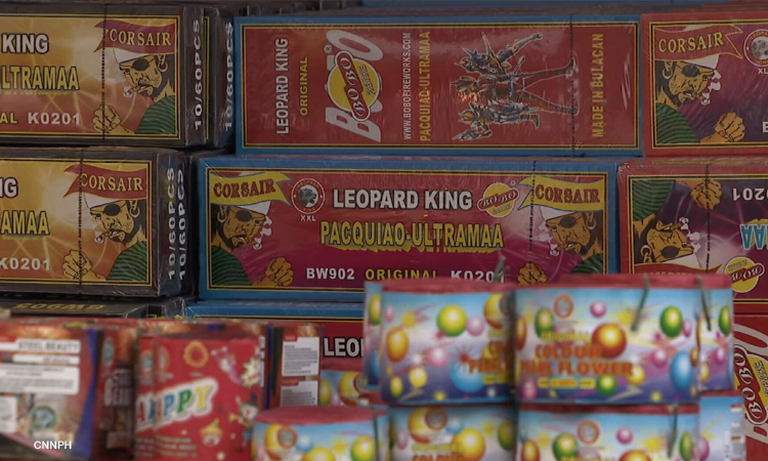

Metro Manila (CNN Philippines, January 3) — The Department of Health (DOH) on Wednesday logged 114 additional firecrackers-related injuries, which included the youngest victim so far—a 10-month-old baby injured by a kwitis.
The new cases bring the total count of injuries related to the New Year festivities to 557. The DOH said that 111 of the new cases or 97% happened at home, adding that 59 cases or 52% were caused by legal fireworks
Also among the new cases is a 77-year-old male from Ilocos Region who sustained a burn due to a legal whistle bomb that was lit by a neighbor, the DOH noted.
In a separate report on Wednesday, a 60-year-old priest from Baguio City sustained a collarbone injury after a stray bullet hit him during the New Year Day celebration.
According to the diocese’s local radio, the priest assigned to the city’s Irisan district parish was hit at 12:15 a.m. right after the northern city of Baguio rang its bell to welcome 2024. It added that he is in stable condition now.
Authorities said they found out in their inspection that the recovered slug was from a 9-millimeter caliber handgun. They added that they already launched a search for the suspect.
The health department said it would enhance its campaign next year as there was an increase in FWRI cases this year.
Of the 557 injuries, 555 were caused by firecrackers, one was due to injestion of a watusi, and one from a stray bullet, the DOH said.
The National Capital Region has the most cases with 306 or 55% of the total, followed by Ilocos Region with 55 or 10%. Central Luzon accounted for 42 cases or 8%, and CALABARZON, 39 or 7%.
On the other hand, the Philippine National Police confirmed on Monday two deaths due to firecrackers and stray bullet. It was not immediately clear if the two who died were among those earlier reported by the DOH as injured
READ:
PNP: 2 dead due to firecrackers, stray bullet
DOH: Firecracker-related injuries rise to 443, 1 death confirmed
“Ang paggamit ng paputok sa bahay ay isang panganib hindi lamang sa iyong sarili kundi sa iyong pamilya. Ang aming data ay higit na nagpapalakas sa observation na ito,” the DOH warned.