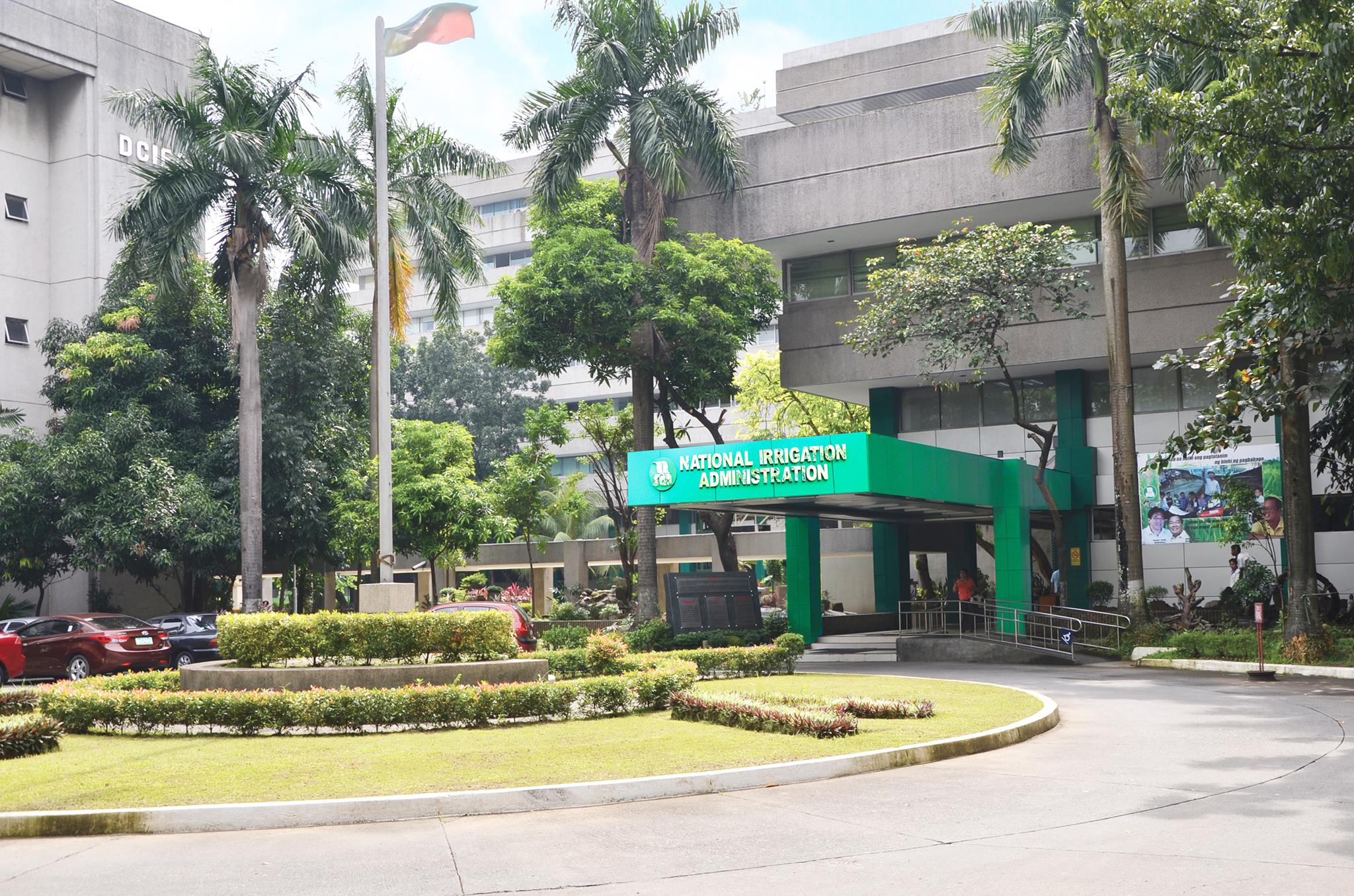

Metro Manila (CNN Philippines, October 16) –The National Irrigation Administration (NIA) is set to receive ₱40 billion more for next year’s spending after a panel from the House of Representatives realigned the budget to respond to rising prices.
NIA Administrator Eduardo Guillen said on Monday that the realigned budget will be used to irrigate 57,000 hectares more rice lands which can produce 570,000 metric tons more of palay each year
“And if computed conservatively at P19 per kilo, it can generate P10.83 billion per year, with a payback period of four years or less,” the NIA chief said in a statement.
“This significant sum of P40 billion will also play a crucial role in addressing both climate change and sustainability concerns. Solar-powered pump irrigation systems will revolutionize our nation’s irrigation coverage, reaching previously inaccessible areas while mitigating the impending effects of climate patterns like El Niño,” he added.
Last week, the House of Representatives amended the proposed P5.768-trillion national budget for 2024 which realigned a total of P194-billion to fight inflation and “invest in people and the country’s future.”
The small committee led by committee on appropriations chairman Zaldy Co also amended the following to enhance food production and anticipate inflation:
• P20 billion to the Department of Agriculture for the rice subsidy program, to help sell rice at subsidized prices;
• P2 billion to the Philippine Coconut Authority for massive planting or replanting of seedlings;
• P1.5 billion for vaccines against the African swine fever; and
• P1 billion to the Philippine Fisheries Development Authority to build fishery and post-harvest facilities in Palawan and Kalayaan Group of Islands.
Guillen said the budget realignment for NIA focuses on agricultural productivity, which is among President Ferdinand R. Marcos’ top priorities.
He said this will address long-term food security and more development for the new irrigation areas.
“Our strategic approach involves the establishment of multi-purpose dams, small reservoirs, small-scale irrigation systems, and the promotion of solar-driven pump irrigation systems, which offer cost-effective and sustainable alternatives to traditional diesel- or electric-driven pumps,” he said.