
Metro Manila (CNN Philippines, October 4) — Small-scale rice retailers who have not yet received the ₱15,000 cash aid from the government will still get the subsidy despite the lifting of the price ceiling on rice, a Department of Trade and Industry (DTI) official said on Wednesday.
DTI Fair Trade Enforcement Bureau Director Fhillip Sawali said there were still over 5,700 retailers scheduled for payout as of Monday.
“It won’t be affected. Ang ni-lift lang ay price cap, not the ayuda of the DSWD (Department of Social Welfare and Development) which is a separate program,” he explained. “I suppose it will continue lalo pa na-submit na ng DTI ang [listahan].”
[Translation: It won’t be affected. Only the price cap was lifted, not the aid from the DSWD which is a separate program. I suppose it will continue, especially since the DTI has already submitted the list of beneficiaries.]
The trade department has been distributing the cash aid using as a basis a list drawn up by the DSWD.
That list identified over 14,000 recipients out of the 19,000 micro and small retailers submitted by the DTI, Sawali said.
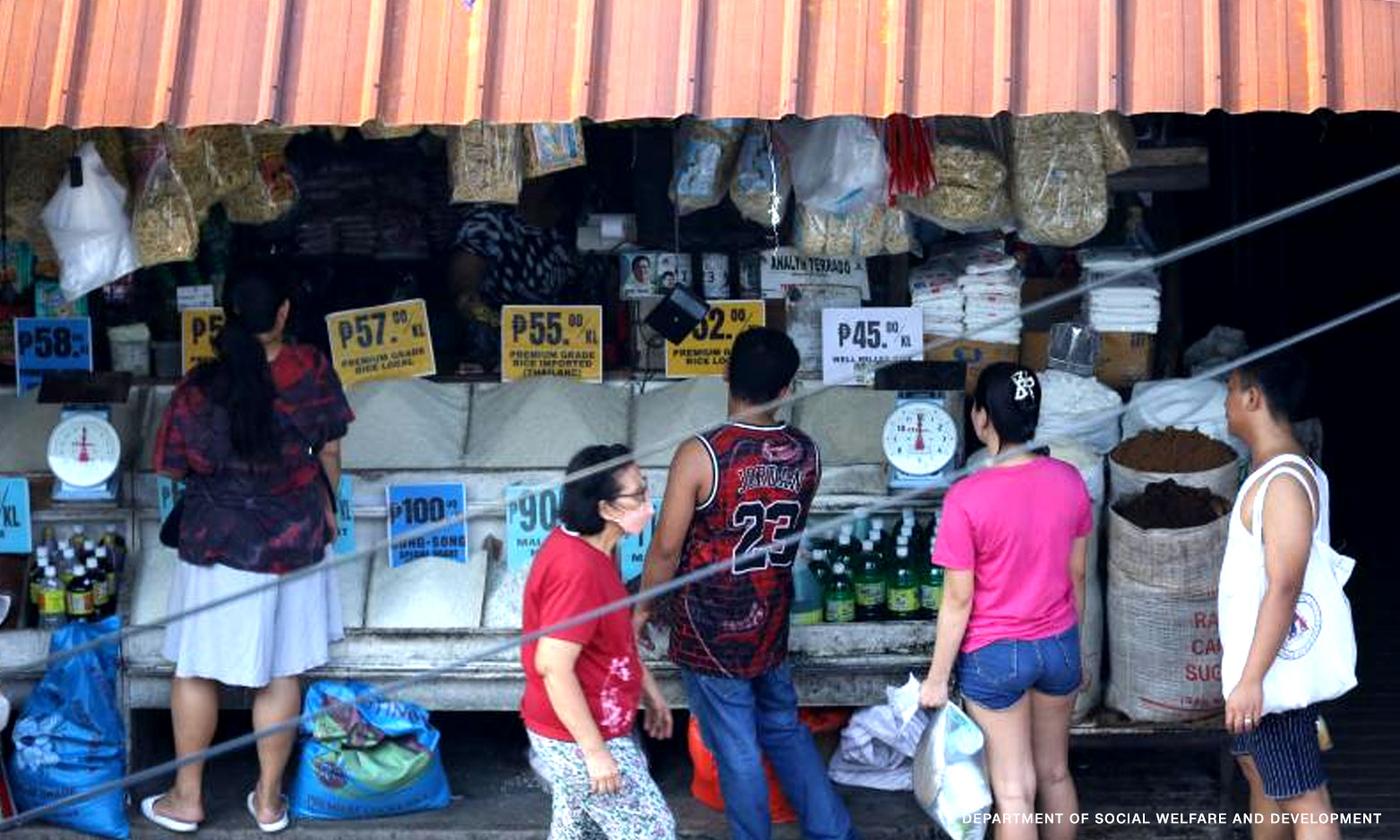
Based on the DTI’s monitoring as of Sept. 28, around 81.5% of retailers nationwide complied with the rice price cap, which President Ferdinand Marcos Jr. implemented to temper the high prices of the commodity.
The DTI said retailers’ compliance allowed the price of the regular milled rice to go down to ₱41.05 per kilo, and of well-milled rice to ₱45.31 per kilo, closer to the respective ₱41-and-₱45-per-kilo price set under the Malacañang directive.
Marcos on Wednesday lifted the measure following the joint recommendation of the DTI and the Department of Agriculture, which cited more stable supply and improving global prices.
According to Trade Secretary Alfredo Pascual, the country’s level of self-sufficiency when it comes to rice stands at around 95% and that imports will fill the 5% gap.
With reports from CNN Philippines Senior Correspondent Lois Calderon