
Metro Manila (CNN Philippines, September 28) — Budget officials admitted Thursday it takes the government up to one and a half years to process and release aid to disaster-hit local government units (LGUs) from the national calamity and quick response fund.
“Four months to one and a half years to be honest,” Department of Budget and Management (DBM) chief Amenah Pangandaman said during a Senate Sub-Committee hearing on the agency’s proposed 2024 budget.
Pangandaman was responding to Sen. Loren Legarda’s question on how long it would take an LGU to access the National Disaster Risk Reduction and Management Fund when it already exhausted its own funding.
The secretary said it takes time to process requests as it would have to be recommended first by the Office of Civil Defense (OCD) and then approved by the Office of the President (OP) before the DBM can release funds.
The process is provided under Republic Act 10121 or the Disaster Risk Reduction and Management Act of 2010.
According to the DBM, the current year’s calamity fund has an unreleased balance of ₱11.2 billion.
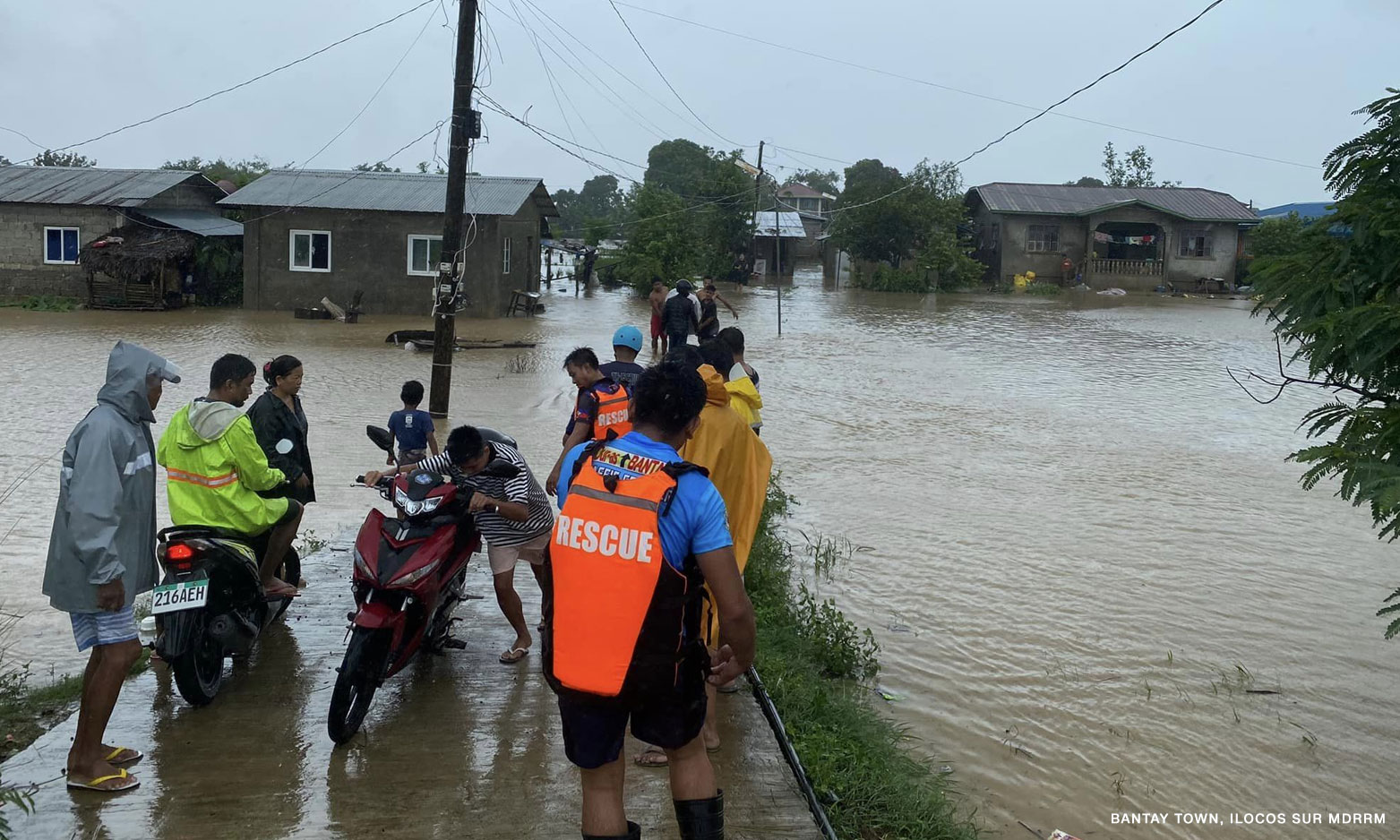
“Maski na may (super typhoon) Goring at lahat ng flooding at problema pero andyan pa rin ang pondo kasi nga ayaw natin ibigay sa tao sa napakahirap na proseso na masalimuot,” Legarda said.
[Translation: Even if there’s Goring and flooding, the fund remains unused because we don’t want to release it to our constituents because of the difficult process.]
Pangandaman also said there have been cases when an LGU ended up not receiving the funds they needed because the request had already lapsed.
The law puts a limit of two years on requests for assistance through the calamity fund.
Sen. Sonny Angara said this limitation doesn’t make sense.
“Why is the government prevented from helping someone who clearly needed the help because the government was delayed in giving the help?” he said.
Pangandaman acknowledged the law should be amended, but Legarda said perhaps it only needs a meeting between the DBM and OCD, which is under the Department of National Defense.
“Let’s do everything possible that [would] not entail legislation to abbreviate the process as long as COA (Commission on Audit) approves it, so that access to the funds will be within three months or less,” Legarda added. “Kaya nga quick [fund], eh, it’s not quick at all, masalimuot [it’s complicated].”
She and Angara asked DBM to submit the steps for accessing the calamity fund and its recommendations to expedite the process.
The sub-committee then approved DBM’s 2024 budget and endorsed it to the plenary.