
Metro Manila (CNN Philippines, August 16) — The Philippines has ruled out imposing a ban on nickel ore exports to China and other overseas markets.
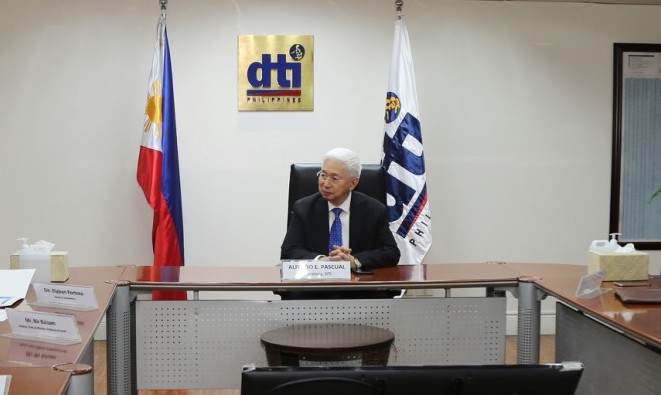
Trade Secretary Alfredo Pascual instead is exploring other ways to compel miners to build local processing plants to keep the mineral here and sell them later overseas as a high-value product like nickel batteries.
China and Japan are the biggest markets for Philippine raw nickel. Nickel is valued as a mineral for producing stainless steel and nickel batteries that power electric vehicles.
There were earlier efforts by past administrations to compel local miners to set up ore processing plants here, but so far, only Philippine Stock Exchange-listed Nickel Asia Corp. runs two nickel processing plants. Nickel Asia, the Philippines biggest ore producer, is partly owned by Sumitomo Metal Mining Co Ltd.
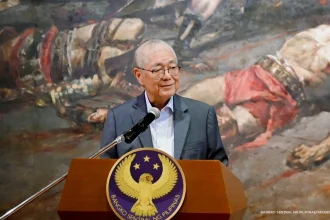
During the weekly “Kapihan sa Manila Bay” forum in Malate, Pascual said at least two related foreign companies have signified interest in putting up a local nickel ore processing plant in the Philippines. He did not disclose their names citing non-disclosure agreements.
It is unlikely that the Philippines will follow in the footsteps of Indonesia which imposed a blanket ban against nickel ore exports, Pascual said when asked if the country will go the way of Jakarta.
The government would instead allow “market forces” to dictate nickel ore trade and local processing rather than implement a policy as “drastic” as a total ban, the Trade chief pointed out.
“We’re studying the option of how to encourage processing versus exportation of ore,” Pascual said.
“We might adapt other means of encouraging processing,” he also said. “Sabi ng mga kausap ko, they will do it (build ore processing plant) for love of country, pwede ba yun? [The ones I talked to told me they will do it for love of country, is that possible?]” Pascual said.
“We are considering it as an option, but we really have not decided – probably we will not go on banning exports kasi may fallout yan [because there would be a fallout],” he added.
Indonesia made gains from its ban against exporting raw nickel, but Pascual pointed out the Asian neighbor had the flexibility to do that.
“Malaki sila eh [They’re big]. They’re the biggest, biggest reserves,” he explained. “Tayo third lang eh kaya medyo titimplahin natin ang action natin [Meanwhile, we’re only third so we have to carefully consider our action].”
Taxing nickel, other minerals
In the past Congress, bills were filed to tax the mining sector more, including a 10% tax on nickel ore exports. The omnibus mining tax bill, which covers nickel and other minerals, proposes royalty payments of 3% on gross output of large-scale miners, a margin-based windfall tax, plus other taxes.
Marcos’ economic team wanted to reform the mining tax regime, but Pascual said the specific provisions are yet to be ironed out.
“We will consider that (10% tax and other taxes) in the process of finding ways to encourage local producers to process their nickel ore,” he said. “Pwedeng excise tax [It can be excise tax]. We make (it) expensive for them to export. Hindi pa namin napag-usapan specifics [We have not yet discussed specifics].”