
Metro Manila (CNN Philippines, July 13) — President Ferdinand Marcos Jr. said the establishment of “green lanes” will eradicate the tedious bureaucratic process that turns off potential investors, making the Philippines “more attractive” as an investment destination.
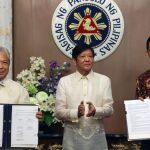
Marcos led the launching of the green lanes for strategic investments on Thursday in Pasay City, almost five months after he signed an executive order for its creation.
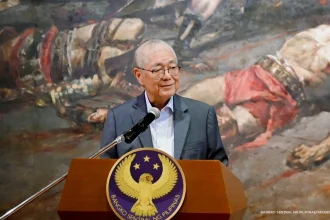
“We gave this a particular priority because upon listening to our prospective investors this was one of the areas where they felt we could do better and would improve the investment climate in the Philippines,” he said in his speech.
The president said he believes the green lanes would strengthen his administration’s goal to make the Philippines an investment hub as they reduce barriers for foreign businesses to expand.
“We in the government know what is necessary so let us take that load off the investors of the business sector and take it on because that is the role of government is to handle all these bureaucratic procedures not so that we delay and we open opportunities for corruption, for wastage,” he said.
“Instead we are doing now the opposite, where we are streamlining all of this and that for serious investors to come in they will talk to one department, that department will assign a single person who will be their handler in terms of getting all the necessary requirements, legal, documentary, bureaucratic whatever it is so that the investors know where they stand and what else they need to do,” Marcos explained.
Marcos said this move complements economic reforms recently passed, including the amendments to laws such as the Public Service Act, the Foreign Investments Act, and Retail Trade Liberalization law.
While the Anti-Red Tape Authority (ARTA) has made significant improvements in slashing permitting requirements, he said the bureaucratic framework of “direct competitors” Thailand and Vietnam, including South Korea and Indonesia, has “put our systems in the shade.”
Marcos even noted that some permits take 36 months to complete, while other countries do it for just two weeks.
The period it takes to process the establishment of a foreign firm, meanwhile, has been cut down to 20 days from the previous 80 days.
But Marcos said the Philippines still has a long way to go as some neighboring countries do it for three days.
He said the government will pursue more projects to improve processes and make the Philippines “even more fertile ground for investments.”
“I am confident that the green lanes will pave the way for the realization of many pledges that we have had, including those that I have personally received abroad, ensuring that they will bear fruit for our people and our nation,” he added.