
Metro Manila (CNN Philippines, July 10) – It has been seven years since The Hague’s landmark ruling in favor of the Philippines. While it has empowered the country, one of the architects of the country’s arbitration case that nullified China’s claim over the South China Sea said more could be done to maximize its potential.
READ: What you need to know about the arbitral tribunal’s ruling
“China knows it is wrong…but for China to understand that and to accept that, we ourselves must be able to make them understand that,” Ambassador Henry Bensurto Jr., lead counsel of the Department of Foreign Affairs’ legal team when it first filed the case against China in 2016, told CNN Philippines in an interview.
“The reason why China is not changing its position, even if it knows that it is wrong, is because of their knowledge and their analysis that they can change us,” Bensurto added.
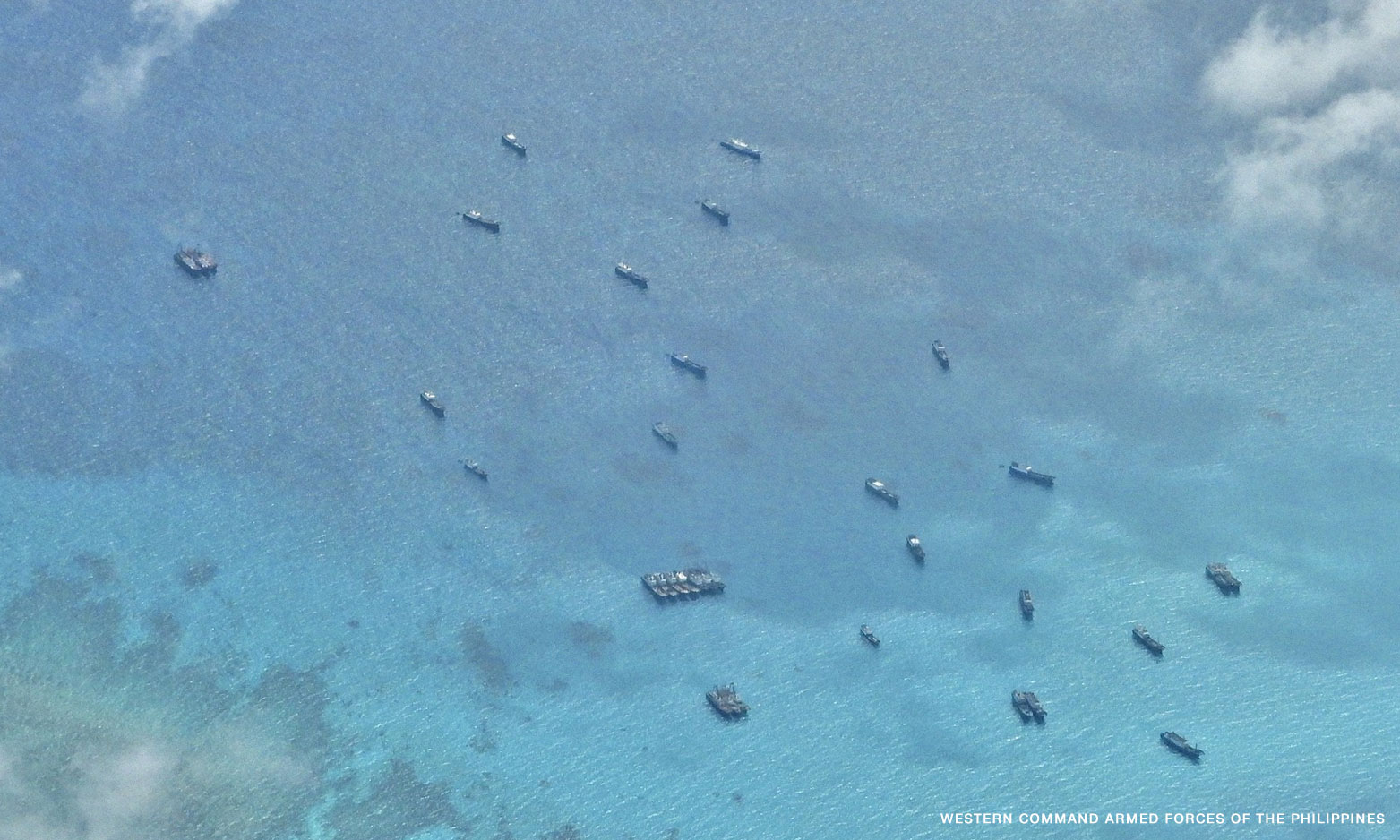
China continues to reject the 2016 ruling, at one point describing it as “illegal and invalid.” It has not stopped its harassment of Filipino vessels -– civilian and military -– in the West Philippine Sea.
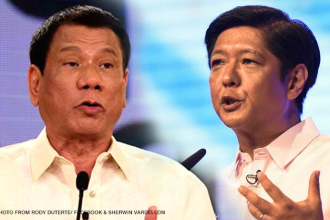
For Bensurto, the Duterte administration’s appeasement policy meant to boost economic ties with China was insufficient, and that the government needed to review its strategy.
“Maybe that should be the starting point of any fundamental policy on this. We must first understand what is ours and take it to heart and therefore, out of love for the country, and out of love for truth and what is right, we must build the national consciousness and translate that national consensus and consciousness into an effective foreign policy based on a short-term, medium-term, and long-term,” he said.
The landmark ruling empowered the Philippines to enforce the rule of law and its sovereignty over its 200-nautical mile exclusive economic zone (EEZ).
“What that rule of law exactly means, the Arbitral tribunal operationalized that in a very unambiguous way, in very clear terms,” Bensurto said.
“When our coast guards go there and tell the Chinese Coast Guard (CCG) don’t come here, don’t come to Ayungin Shoal, we wouldn’t be able to say that in the past,” he continued, adding that it’s illegal for the CCG to conduct sovereignty patrols within the area.
Without the ruling, Bensurto explained that the Philippines’ rights over the EEZ would be left ambiguous.
“The ambiguity provides a lot of advantage to a big power, a superpower at that, and therefore using all its political, military muscle without clarity by declaring the entire thing theirs, what is our defense?” the envoy said.
“Without arbitration it would be very difficult for other countries such as the United States, Japan, the European Union, Australia and New Zealand, it will be difficult for them to put their opinion and tell China to follow the rule of law,” he continued.
For its part, the Philippines has filed nearly 100 diplomatic protests under the administration of President Ferdinand Marcos Jr., and over 200 note verbales against China so far.
Marcos, meanwhile, has vowed not to surrender an inch of Philippine territory.
However, the president has also reiterated that the country was a “friend to all and an enemy to none,” and that Manila would not shift away from Beijing despite its aggressive actions over the West Philippine Sea.
CNN Philippines’ correspondent Tristan Nodalo contributed to this report.