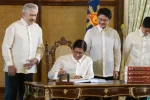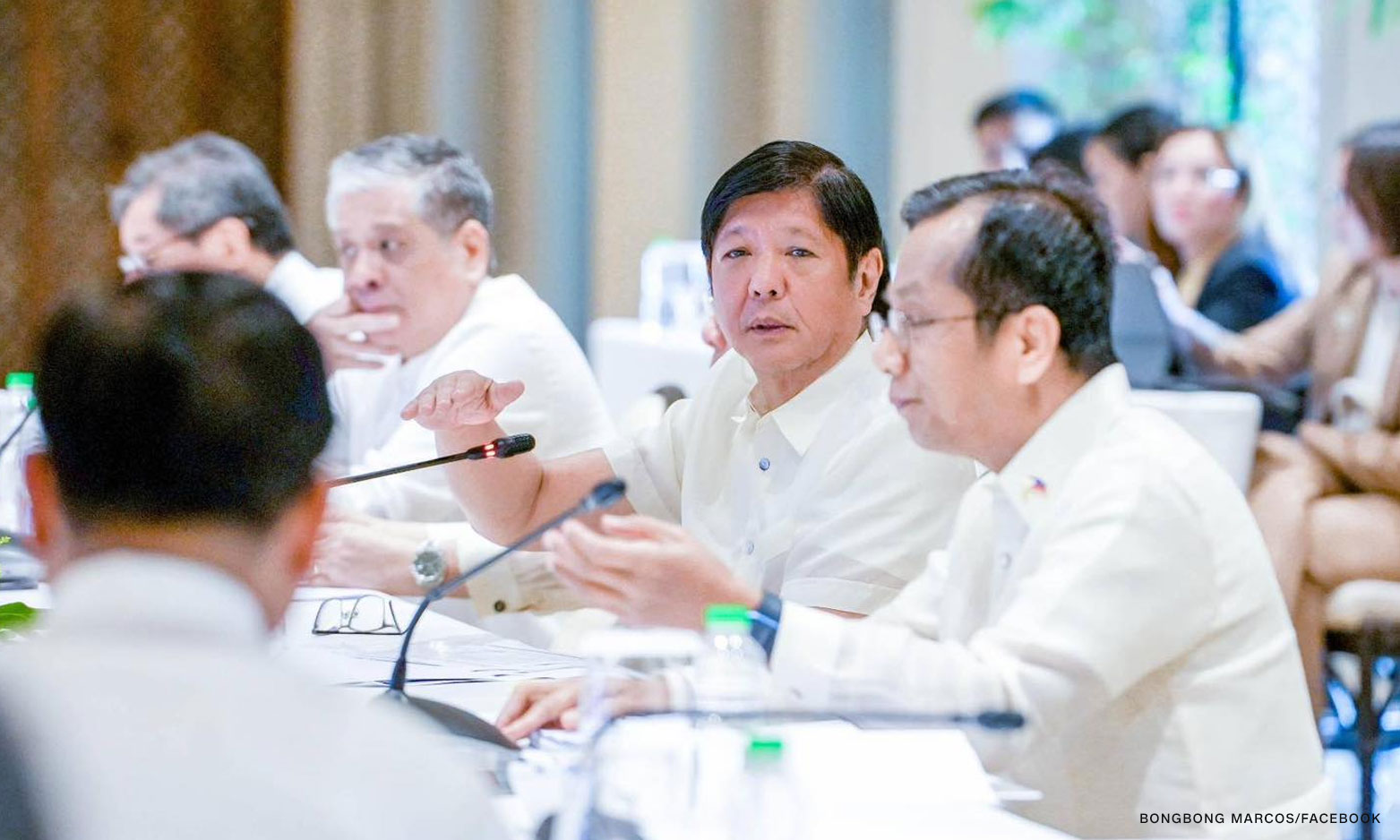

Metro Manila (CNN Philippines, July 1) — President Ferdinand Marcos Jr. made his first marching order to the National Anti-Poverty Commission (NAPC) to identify “problematic” communities and engage with different government agencies to fully address the needs of Filipino indigents.
“‘Yung mga ibang lugar na talagang hindi makabangon dahil wala, walang tulong, walang ano, walang kalsada, walang facilities, walang infrastructure, identify natin ‘yun para puntahan natin kung ano man ‘yung kailangan nila,” Marcos said during the meeting on Friday, which coincided with the 25th founding anniversary of the NAPC.
[Translation: We should identify areas that could not recover because of lack of support or without access to roads, facilities, and infrastructure and we will go to them and address their needs.]
He also asked the NAPC to determine areas without farm-to-market roads, internet, and reliable electricity and water supply, among other needs.
“So, those are the things, I think, that the NAPC should be doing,” said Marcos. “Hanapin natin kung saan talaga ‘yung problematic na area and then engage natin lahat ng ibang departamento para the other departments can come in.”
[Translation: Let’s find out where are the problematic areas and engage all departments so that they can also come in.]
Marcos also urged the NAPC to engage with other departments to consolidate and differentiate the work of the commission.
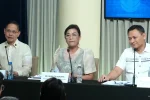
Present in the commission’s first en banc meeting at Malacañang were Social Welfare Secretary Rex Gatchalian, Interior Secretary Benhur Abalos, Socioeconomic Planning Secretary Arsenio Balisacan, Technical Education and Skills Development Authority Secretary Suharto Mangudadatu, and Presidential Peace Adviser Carlito Galvez Jr.
Larry Gadon, the newly appointed presidential adviser on poverty alleviation, was missing. He has yet to take his oath.
According to the Presidential Communications Office, NAPC lead convenor Lope Santos III told Marcos that the commission has already consulted with its members, the leagues of local government units, national government agencies, and basic sectors to set urgent tasks that are anchored in the Philippine Development Plan 2023-2028.
The development plan aims to reduce poverty from 18.1% to 8.8% to 9%.
Santos said the NAPC eyes to complete the National Anti-Poverty Action Agenda, also known as N3A, by September, and adopt and formulate the National Poverty Reduction Plan by October.
The NAPC lead convenor said the body will integrate all inputs to create the N3A which will have programs to address multidimensional poverty concerns, social, economic, ecological, and governance, and present the draft for approval in the next en banc.
“And we also plan to roll this out — the adoption and formulation of the Local Poverty Reduction Action Plan starting 2024 to be mainstreamed in all provincial development and fiscal framework plans and comprehensive development plans of our local government units, including in the respective annual investment plans,” he said.