
Metro Manila (CNN Philippines, June 15) — The government wants Philippine exports to more than double by 2028 as President Ferdinand Marcos Jr. green-lit the implementation of a new development plan aimed at bolstering local exports.
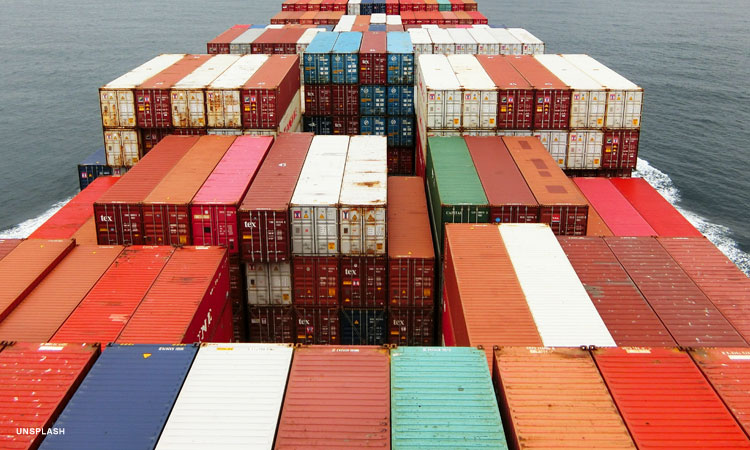
Under the Philippine Export Development Plan (PEDP) 2023-2028 released Thursday, the administration expects total exports to hit $240.5 billion by 2028 from $112.7 billion last year.
The electronics and electrical industry is seen to lead the pack with $106.4 billion in exports expected by the last year of Marcos’ term.
It is followed by the information technology and business process management or IT-BPM and minerals sectors.
Other key industries projecting to realize growth include agriculture; transport; home furnishings; wearables, fashion accessories and travel goods; and chemicals.
“With the possible rapid emergence of new export winners outside of the eight sectors, the overall export projections could still be an underestimate,” the PDEP document read.
The PDEP also noted that some of the industries may increase their workforce to align with higher export figures.
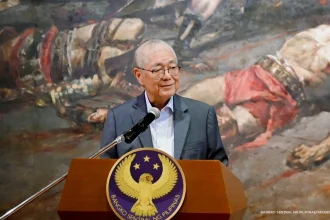
In his speech during a trade forum in Taguig City, Marcos said that while the country is “growing” in the exports arena, it still lags behind its ASEAN neighbors.
However, he expressed confidence that the local export industry could realize growth amid the current administration’s efforts to initiate discussions with foreign markets, which are even boosted by the PDEP.
“We continue to be optimistic about the bright future our local export industry is heading for. Let’s make it happen,” he said.
Marcos also said enterprises in the Philippines wanting to penetrate the export business can expect “heightened industry support” under his leadership.
The PDEP likewise noted that in order to achieve the targets, the government would implement “bolder and more aggressive strategies,” including national branding and promotion efforts, incentives, technical and financial assistance to SMEs, and measures to reduce costs and attract investment.
“These strategies are expected to lead to improvements in the country’s value chains, productivity, and investment climate, promoting sustainable economic growth and development,” the PDEP said.