
Metro Manila (CNN Philippines, April 18) — The mega-trade pact among 15 economies in the Asia Pacific region will take effect in the Philippines by June 2, a Department of Foreign Affairs (DFA) official said Tuesday.
During the first briefing of the Senate Special Oversight Committee on the Regional Comprehensive Economic Partnership (RCEP), DFA Director Anthony Aguirre said its effectivity would start 60 days after the government has deposited the instrument of ratification, which was done last April 3.
President Ferdinand Marcos Jr. previously said the ratification of the RCEP in February echoed the Philippines’ “commitment to openness and a thriving business environment.”
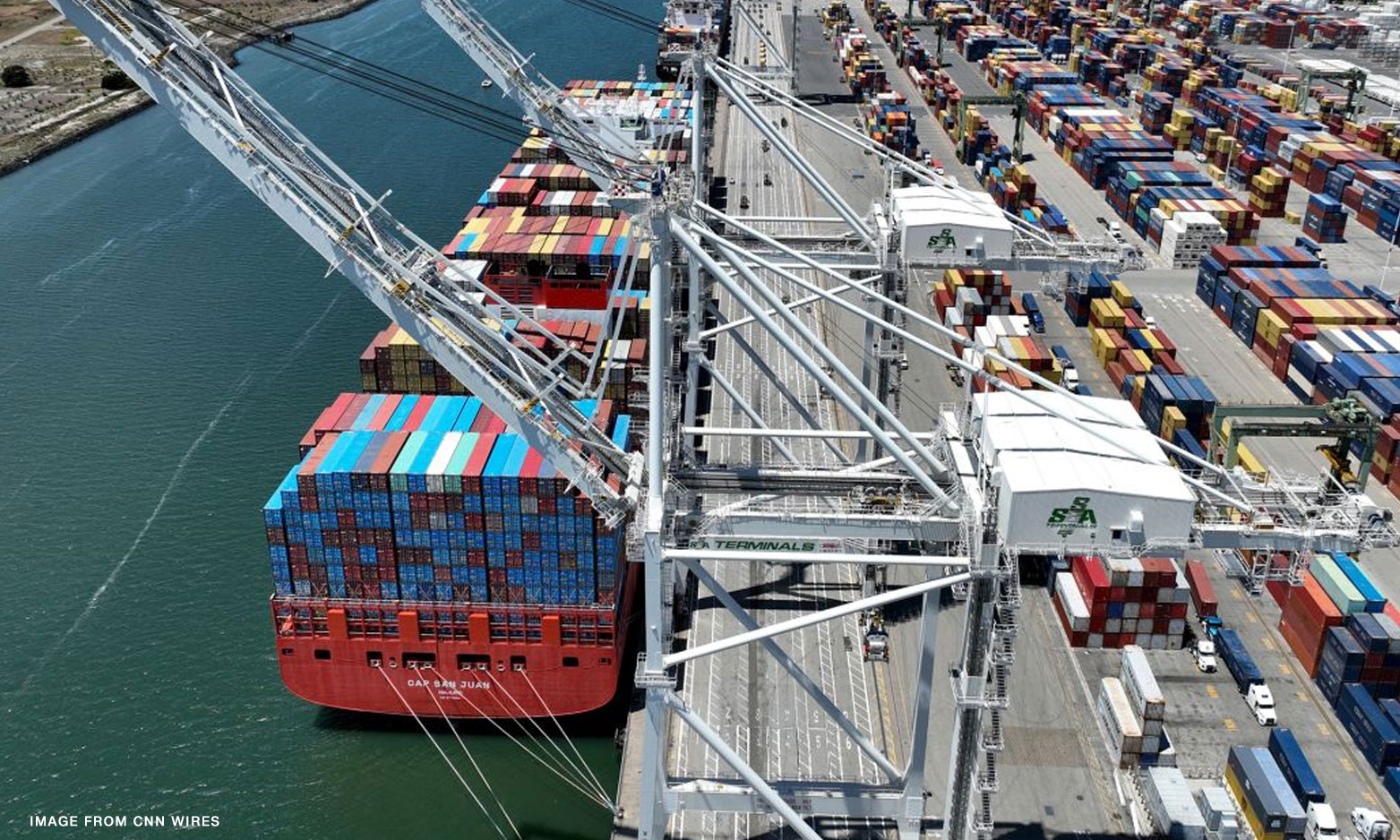
The RCEP is considered the world’s largest trade deal, which covers 10 members of the Association of Southeast Asian Nations (ASEAN), along with Australia, China, Japan, New Zealand, and South Korea.
It is designed to eliminate tariff rates — or the taxes imposed on imported products — on 90% of goods between the signatories within 20 years.
READ: EXPLAINER: What is RCEP? Will PH benefit from it?
During the briefing, Senate President Pro Tempore Loren Legarda asked the Department of Trade and Industry (DTI) and the Department of Agriculture (DA) about the domestic preparedness steps undertaken since the ratification of the RCEP.
The DTI said the government needs to issue necessary legal documents, particularly the executive order implementing the RCEP agreement from the Office of the President.
A trade education would also be rolled out, working closely with local governments and supplementing the knowledge of businesses regarding the RCEP.
Before the RCEP takes effect, the DTI is also targeting to launch an import monitoring system that would detect a surge in imported products. It hopes to make the system operational by “the fourth week” of May.
Meanwhile, DA Usec. Mercedita Agcaoili Sombilla said the department has already identified projects and activities to ensure improvement in the sector’s productivity and make them “competitive” in the market.
A number of agricultural groups had expressed their opposition to the Philippines joining the RCEP, as they warned of a possible rise in cheaper products that could affect farmers’ earnings.