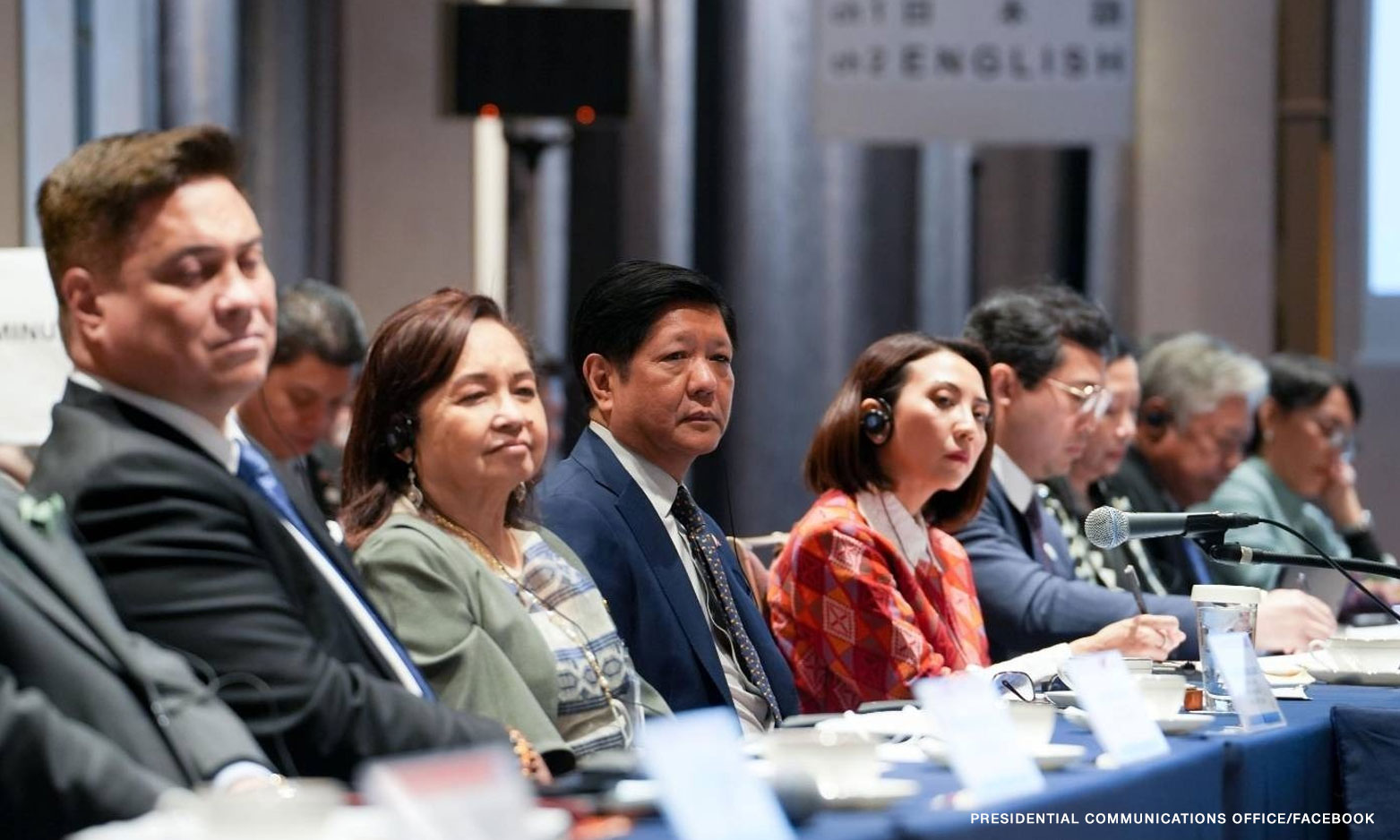

Metro Manila (CNN Philippines, February 9) — To help revive the pandemic-hit tourism industry, the government will ask Japan to lift or limit its advisories which caution citizens against travelling to the Philippines, President Ferdinand Marcos Jr. said Thursday.
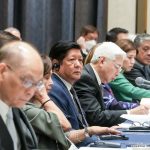
He made the statement during a meeting in Tokyo with Japanese tourism stakeholders, where he stressed that for the two countries to deepen their relationship, both “must first be open to each other’s people.”
“With this, we are working on lobbying to the Japanese government for the lifting or limiting of its travel advisory against the Philippines’ key travel destinations,” he said.
A travel risk map on the Ministry of Foreign Affairs of Japan’s website shows that “danger” alert levels 1 to 3 have been raised over various parts of the Philippines.
Level 1 means Japan advises its people to be careful when travelling, level 2 asks them to refrain from non-essential travel, and level 3 recommends them to cancel their trip.
Despite this, the Department of Tourism noted that Japan ranked 6th among countries with the highest number of nationals visiting the Philippines as of end-January last year.
During the meeting, Marcos also gave his assurance that the country is open and ready to welcome more Japanese visitors. He touted his administration’s efforts aimed at improving tourist destinations and committed to ensure that necessary infrastructures are well-developed and readily accessible.
The president added that the government aims to make the tourism industry one of the country’s key economic drivers.
“We are well on our way to recovery, this I assure you, with more than 2.65 million foreign visitors we have welcomed last year,” he said. “That’s exceeding the initial target of 1.7 million.”
According to Malacañang, Marcos also pushed for the promotion of educational tourism between the two nations, particularly the exchange of students and professionals in tourism-related institutions.