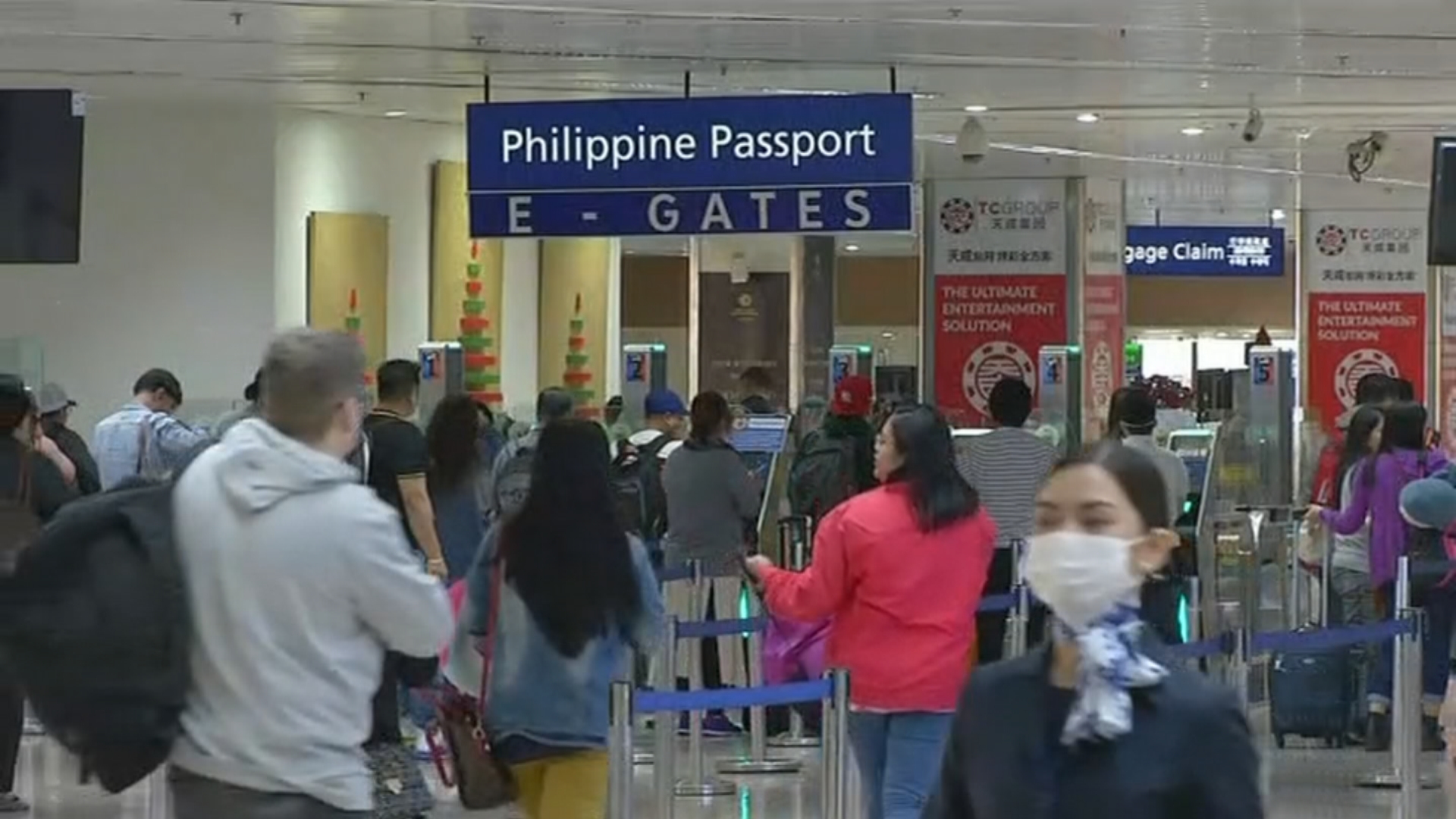

Metro Manila (CNN Philippines, November 8) — The sharp rise in the value of the dollar has resulted in the increase of Philippine passport application fees in the European Union (EU), the Department of Foreign Affairs (DFA) confirmed Tuesday.
During the hearing of the House Committee on Foreign Affairs, ACT Teachers party-list Representative France Castro said her office received reports from Filipinos based in the EU that the cost of passport renewal has increased from €54 or ₱3,145 to €66 or ₱3,843.
The cost of replacing a lost passport, meanwhile, has gone up to €165 or ₱9,608.
“Kasabay ng pagtaas ng inflation sa Europe, tinaas naman natin. Parang double whammy yung pagpapahirap natin doon sa ating mga kababayan,” Castro argued. “Tingin ko hindi masyadong ganoon ka-valid yung reason bakit natin itinataas nang ganoong kataas.”
[Translation: Along with the increase in inflation in Europe, we also increased (the fees). It’s like a double whammy, adding to the suffering of our countrymen there. As I see it, I don’t think the reason for the big increase is valid.]
In response, DFA Undersecretary Antonio Morales said passport fees in Philippine consular offices abroad are pegged against the US dollar.
With other currencies falling in value against the strong greenback, Morales said the DFA needs to raise consular fees.
DFA Secretary Enrique Manalo noted that Philippine diplomatic officials posted overseas are also affected by the greenback’s appreciation since their allowances are in US dollars.
Manalo said it has been the DFA’s practice for decades to peg consular fees, allowances, and expenses for overseas posts to the US dollar since it is the most stable currency worldwide.
“Dahil humina ang Euro at ‘di lang ang Euro, pati ang Yuan, pati ang iba pang salapi ng ibang bansa [The Euro has weakened and not only the Euro, but also the Yuan, as well as currencies of other countries] because of the strengthening US dollar, we have to make adjustments in our conversion and collection rates,” Manalo explained.
“All the years I’ve been in the foreign service, they always want to seem to stick to the dollar because it’s really the most stable currency through the years,” he added.
During the hearing, the House panel approved and consolidated bills proposing amendments to the Republic Act 8239 or the Philippine Passport Act.
Manalo said legislating the proposed amendments is necessary so the country can transition to third-generation electronic passports or e-passport booklets.
He said the new e-passports will make passport processing seamless and convenient, as well as make the security features of Philippine passports at par with global standards.