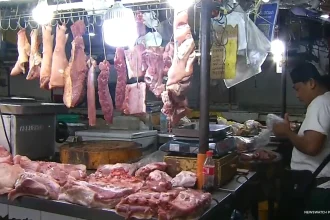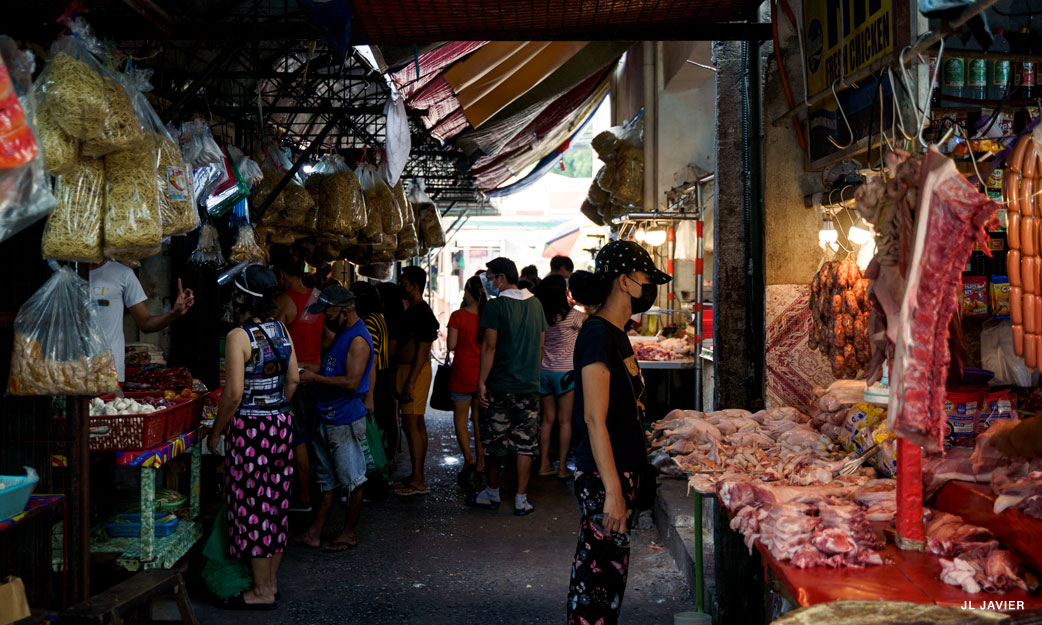

Mapa: Ang pangunahing dahilan ay ang mas mabilis na pagtaas ng food and non-alcoholic beverages pic.twitter.com/lfmhz2S43Q
— CNN Philippines (@cnnphilippines) November 4, 2022
Metro Manila (CNN Philippines, November 4) — Inflation surged to a nearly 14-year high in October, almost matching the rate recorded at the height of the global financial crisis in late 2008, an official said, as Filipino consumers were forced to crunch on meager wage increases four months into the Marcos administration.
During a briefing on Friday, the Philippine Statistics Authority (PSA) reported that the inflation rate last month further accelerated to 7.7%, well above the 6.9% recorded in September.
The figure is within the 7.1% to 7.9% forecast range of the Bangko Sentral ng Pilipinas for the month.
PSA chief Dennis Mapa said the October figure brought the average inflation for the first 10 months to 5.4%, way faster than the government’s annual 2% to 4% target band.
“The last highest was December 2008, 7.8%. Of course 2008 was the year of global financial crisis,” he said.
However, Mapa said the latest inflation rate might not be the peak.
As food prices are expected to remain elevated, worsened by the impact of Severe Tropical Storm Paeng that caused almost ₱3 billion in agriculture damage, Mapa said there was a “substantial probability of an increase” in November’s inflation.
Mapa said the heavily-weighted food basket drove the uptrend in October, as food inflation alone reached almost double-digit to 9.4% last month, compared to September’s 7.4 %.
Restaurants and accommodation services followed this at 5.7%, and housing, water, electricity, gas, and other fuels at 7.4%.
The inflation rate for the country’s capital region also quickened to 7.7% from 6.5% due to food and non-alcoholic beverages, restaurants and accommodation services, and transport.
Food prices in the National Capital Region rose 11.4% from 8.5% a month ago, with Mapa attributing the increase in vegetable prices to Typhoon Karding.
Meanwhile, the rise in prices outside Metro Manila also soared to 7.6% from September’s 7%.
Outside Metro Manila, the Davao region logged the highest inflation rate, accelerating from September’s 9.6% to 9.8% last month.
The country’s central bank said Wednesday the Monetary Board would take an aggressive stance this November, mirroring the US Federal Reserve’s move raising interest rates by 75 basis points or three-quarters of a percentage point to control inflation and support the peso.
READ: BSP to match US Fed’s aggressive rate hikes this November
Increasing interest rates impacts how consumers access loans as banks and lending companies shadow the BSP’s rates for their loan, credit card, and deposit interests. This would mean Filipinos wanting to own new cars, houses, or business capital, among others, would have to deal with more costly borrowings.
In turn, businesses and consumers are seen to save more and spend less.