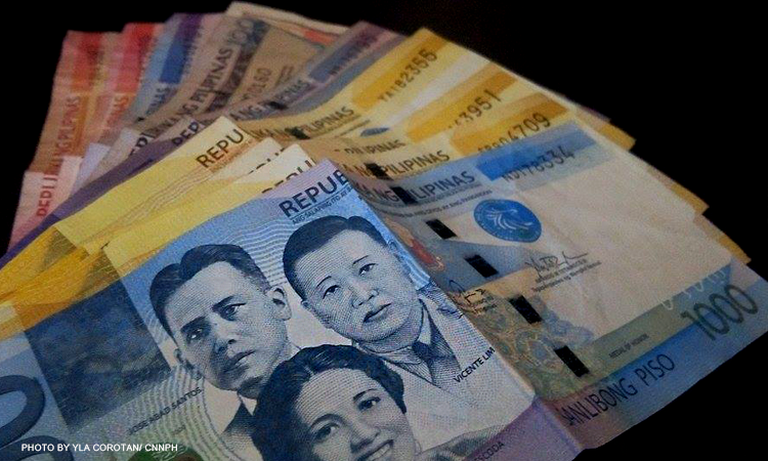

Metro Manila (CNN Philippines, October 20) — The Senate committee on banks, financial institutions and currencies questioned Banko Sentral ng Pilipinas’ (BSP) plan to issue new polymer banknotes, which the agency claims to be a sustainable move.
During the hybrid hearing on Wednesday, committee chair Senator Mark Villar noted that while upgrading banknotes to combat new technology used by counterfeiters is a must, countries usually change banknotes only after every 10 years.
He recalled that BSP introduced the new generation series of banknotes only in 2018.
“This raises the question, is this change necessary at this point?” Villar asked.
According to BSP’s plan, the current banknotes — composed of 80% cotton and 20% abaca — in circulation will be phased out for the polymer banknote to take its place.
Senator Koko Pimentel, who raised the issue in September, said the shift could impact the abaca industry as it is used in the production of bills in circulation.
BSP currently produces local currency using 1,000 to 1,800 metric tons of abaca fiber, which is valued at $10.8 million.
Aurora Peralta, executive director of the Association of Abaca Pulp Manufacturers Inc, said funds to import plastic materials needed to make polymer should rather be used for abaca farming.
“We would need to spend dollars to import plastics. What will be spent for abaca farming will eventually find its way back to the economy,” she added.
Philippine Fiber Industry Development Authority’s Robert Atienza said the shift is “very costly” as banks must adjust equipment, like ATMs, which may not be able to handle the new material.
Senator Pia Cayetano, who chairs the committee on sustainable development goals, innovation and futures thinking, recognized the effort for sustainability as polymer is recyclable but pointed out that abaca and cotton are biodegradable.
“While there are ways that you can recycle [polymer], it is not biodegradable. In that sense, it is not truly sustainable,” she added.
BSP Deputy Governor Mamerto Tangoan defended the plan, citing that the change would only affect less than 1% of the abaca industry and machines would only need to be recalibrated and not changed to adapt to the new material.
RELATED: Do’s and don’ts on handling ₱1,000 polymer bills