
Metro Manila (CNN Philppines, August 2) — A bill seeking to increase the social pension of poor senior citizens lapsed into law on July 30.
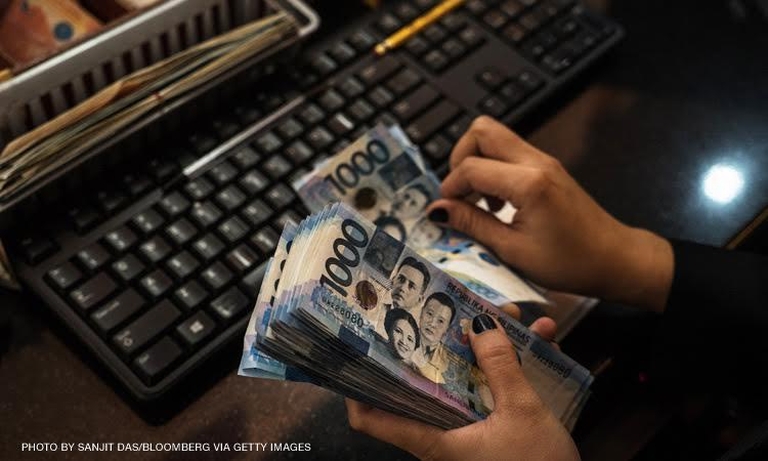
Republic Act No. 11916 was passed by the Senate on May 30, 2022 and adopted by the House of Representatives the day after. This means that from the current ₱500, qualified seniors would receive ₱1,000.
Social pension refers to the money a person receives from the government to cover their daily subsistence as well as medical needs. According to the bill, it should not be less than P1,000 monthly.
RA 11916 also says that the Department of Social Welfare and Development, with the approval of the Department of Budget and Management, and in consultation with other stakeholders should adjust the amount every two years after the Act takes place.
The stipend should be given in cash via authorized channels and should be free of any charges.
RA 11916 will take effect 15 days after its publication in the Official Gazette or any newspaper of general circulation.
Senator Grace Poe, who chairs the Senate Committee on Public Services, lauded the Act saying it was a “timely response to catch up with the urgent and real needs of our indigent elderly.”
“We count on concerned agencies to put in place a system that would make the monthly stipend released in the most expeditious and efficient manner, and ensure that no eligible beneficiary is deprived,” said Poe.
According to Deputy Speaker and Batangas Rep. Ralph G. Recto the social pension for indigent seniors this year covers 4,079,669 seniors.
He has raised concern over the funding of the pension, saying from the current ₱25.01 billion annually the funding needed would now be P50 billion per year — covering only those currently enrolled in the program, and not counting those who would turn 60 this year as well as seniors who have been left out of the list.
“If no funding provision will be made in next year’s proposed appropriations, which is understandable as the budget preparation by the Executive is now at its last mile and only the finishing touches are being applied, then it will be up to Congress to save the law from ending up as an unfunded mandate,” he said.
“I thank President Marcos for allowing this bill to become a law. Both branches should now work together on how to fund it.”