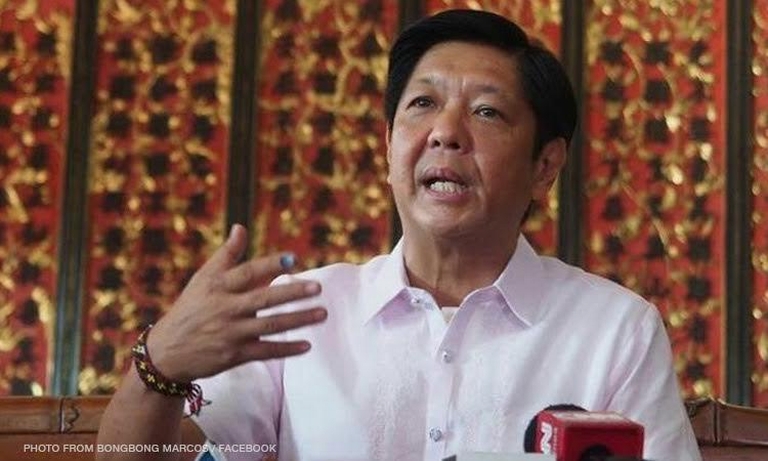

Metro Manila (CNN Philippines, July 12) — Local and foreign investors are optimistic about the new administration of President Ferdinand “Bongbong” Marcos Jr. and his cabinet secretaries, but said they look forward to details that would put his policy pronouncements into action.
The Philippine Chamber of Commerce and Industry (PCCI) said the economy may grow anywhere between 6-6.5% from July to December, and may even be pushed to 8% for the semester if face-to-face classes are fully restored. Business leaders said it will boost consumer spending and investments further, stimulating faster growth.
PCCI bared Tuesday its reform agenda for Malacañang, dubbed as “Reach Out:”
-Reinvigorate natural resources
-Enhance energy and education
-Accelerate agriculture productivity & modernization
-Commit a focused connectivity, climate change
-Harness health and human skills
-One United in Transformation and Transparency
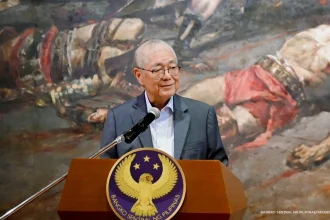
PCCI President George Barcelon said the group wants Marcos to revive mining, reduce power costs, improve basic education and technical skills training, fast-track farm modernization and boost agriculture productivity, increase connectivity through transport and digitalization, and invest in the health sector in the next six years.
These are supposed to make the Philippines more business-friendly and attract more capital.
“In the SONA (State of the Nation Address) side of things, we hope that we can hear more specific deliverables and then also on the side of job creation and on how we can attract more foreign investments, not only in manufacturing, even in the agriculture side,” Barcelon said in a media briefing.
“Where we are right now, it’s very positive,” he added.
Ferdinand Ferrer, head of PCCI’s Innovation, Science & Technology Committee, touted Marcos’ appointment of “technocrats” in is Cabinet, particularly Labor Secretary Benny Laguesma, Finance Secretary Benjamin Diokno, National Economic and Development Authority Secretary Arsenio Balisacan, Bangko Sentral ng Pilipinas Governor Felipe Medalla, Trade Secretary Alfredo Pascual, and Information and Communications Technology Secretary Ivan Uy.
“The appointments of the cabinet secretaries give the business sector very high confidence. It seems President Marcos has chosen cabinet secretaries that do not have a probationary period, they are going to hit the road running,” Ferrer said. “The investors now are in a position they are eager to know what the new administration is preparing for the next six years.”
Barcelon said they want concrete plans laid out in the next three to six months: “What are the deliverables and what are the timeline? Mabilis magbigay ng plano pero kung walang delivery, walang timeline, balewala din. [If they can reveal their plans but there’s no delivery or no timeline, it would be useless.]”
PCCI’s Director Benedicta Du-Baladad also identified several priority bills, such as the remaining unpassed tax reform packages on property valuation and passive income from the Duterte administration; the Capital Market Development Act; the Magna Carta for MSMEs; and the National Quality Infrastructure Act that sets standards on public works projects.
Also on their list are the Open Access in Data Transmission and Better Internet Act, the Philippine Qualifications Framework Act (recognition of industry qualifications per profession), the amendments to the Dual Training System Act and Apprenticeship Act, an amendment of the Comprehensive Agrarian Reform Law, the International Trade Maritime Act (to regulate local shipping charges); and the PhilPorts Act (separating the functions of the Philippine Ports Authority).
Among the major risks flagged by the PCCI hampering full economic recovery are the prolonged conflict between Ukraine and Russia; surging prices of fuel, food and other goods; a weaker peso against the dollar, and limited and costly power supply.
Meantime, industry leaders said they are not keen on additional taxes planned by Diokno on single-use plastics and online transactions, both meant to boost state revenues.
“We have always been more for the government to collect the proper taxes from the taxpayer. I think that’s most important than you add more laws and taxes, it’s going to be burdensome especially to the small and medium sized business establishments,” Barcelon added.
PCCI is mounting a series of business conferences nationwide before its culminating activity on October 19-20, when it is expected to present its formal policy recommendations to the Marcos Cabinet.