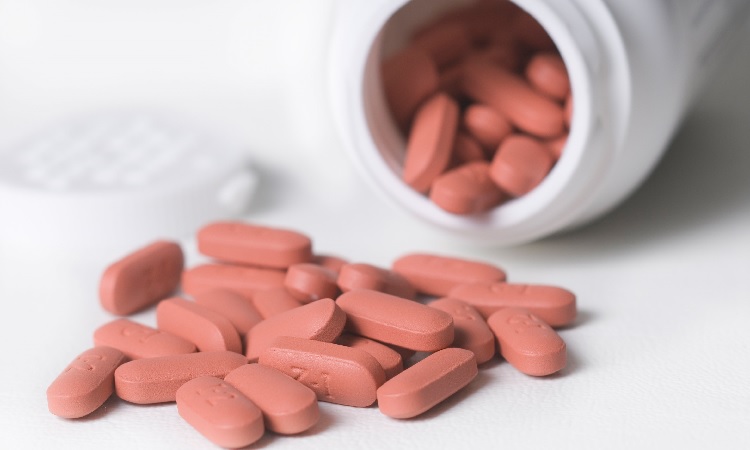

Metro Manila (CNN Philippines, March 31) — A Social Weather Stations survey shows nearly all Filipinos believe it is the government’s responsibility to provide free medicines to sick people.
The survey showed 96% of adult respondents said the government definitely should (78%), or probably should (17%) provide free medicine to those who need them.
“We saw very strong net agreement across demographics,” SWS vice president Gerardo Sandoval told an online forum Thursday.
SWS said medicines ranked first as the most burdensome healthcare expense for most households, followed by doctor’s fees, laboratory tests, and payment for a hospital room.
When asked what could help bring down the cost of medicines, the respondents’ top choice was guaranteed PhilHealth subsidy to cover full or a portion of medical expenses. This was followed by receiving free medications procured by the government from public hospitals, health centers, and government pharmacies.
Pharmaceutical and Healthcare Association of the Philippines president Dr. Beaver Tamesis said medicine prices in the country are comparative to the rest of Asia.
But better procurement methods could drive the prices even lower, he added.
“Government must step in, in terms of actually covering the cost of drugs after you negotiate with the price. Thailand was able to do it because they prioritized the health needs of their citizenry,” Tamesis said.
Currently, the government is providing subsidized or free medicines – but this is limited to certain diseases.
Philhealth Senior VP for Finance Dr. Israel Pargas said the agency provides free medicines through its primary care benefit package “Konsulta.” But he admitted that the program is very limited.
“Like antibiotics, we have around six or seven types of antibiotics being provided, anti-hypertensives we have around five being provided for free if you are getting the services from these Konsulta providers,” Pargas explained.
He said the program, which was fully implemented only last year, now has about 145 public and 14 private providers and has served over 200,000 beneficiaries.
Lawmakers earlier asked the state insurer to revisit the benefit package for having a low number of beneficiaries and participating doctors.
The survey was commissioned by the Pharmaceutical and Healthcare Association of the Philippines. It was conducted from Dec. 12 to 16 last year via face-to-face interviews with 1,440 adults ages 18 and above nationwide.