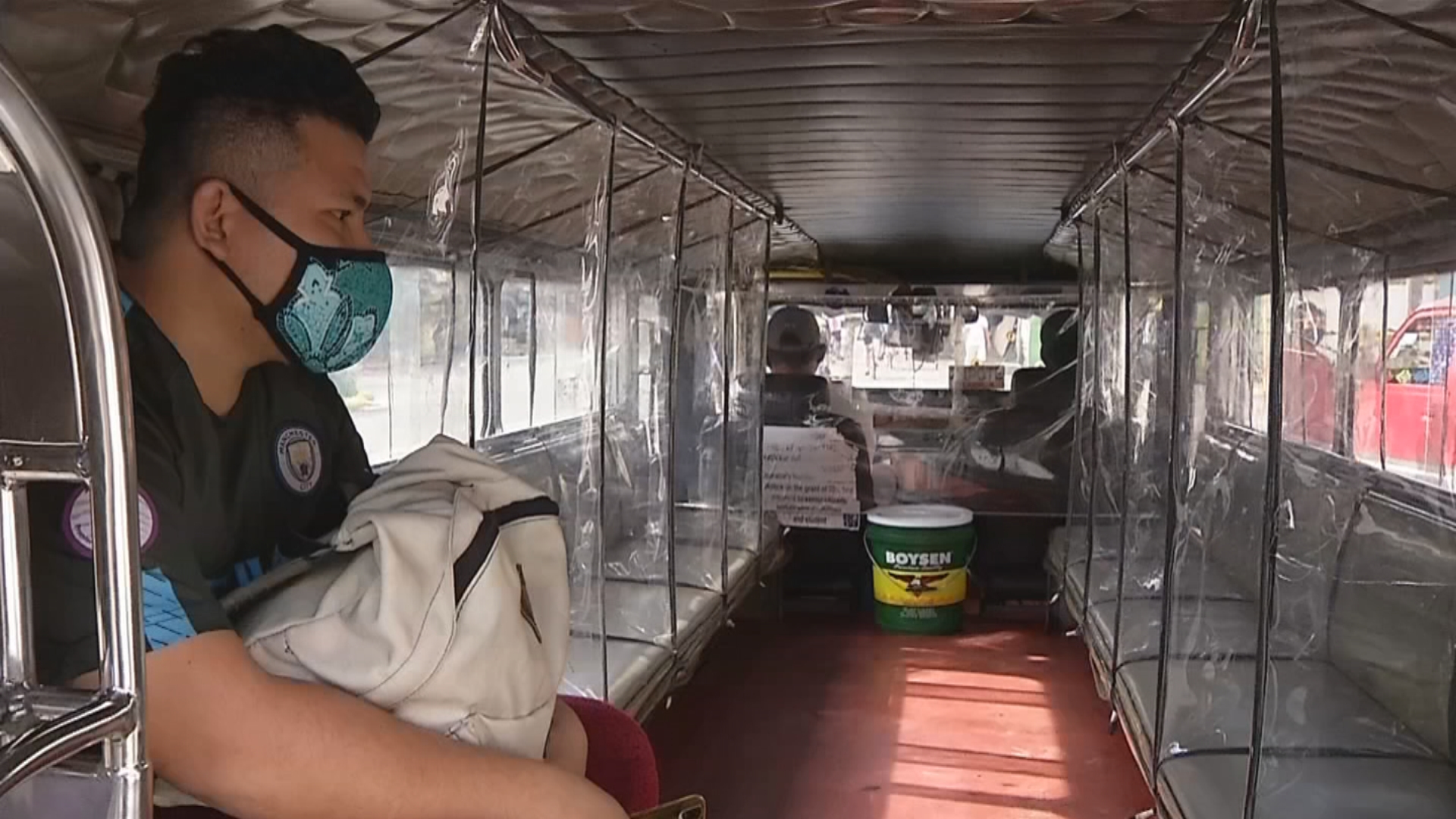

Metro Manila (CNN Philippines, January 13) — A commuter group is worried that the new policy prohibiting unvaccinated individuals from riding public transport in Metro Manila could encourage them to patronize colorum public utility vehicles.
Pilipino Society and Development Advocates Commuter-Consumer Inc. (Pasada) on Thursday said that although they welcome the new policy, they fear that it may cause a bigger problem since operators of colorum PUVs do not strictly enforce physical distancing in vehicles.
“What we fear is that people would be encouraged to patronize colorum vehicles more dahil diyan sa order na ‘yan. Ang unvaccinated definitely marami-rami pa rin ‘yan. Sa ngayon eh pupunta talaga ‘yun sa colorum,” Pasada spokesperson Richard Rivera told CNN Philippines.
[Translation: What we fear is that more people would be encouraged to patronize colorum vehicles because of that order. There are defintely still many unvaccinated individuals. For now they will opt for the colorum.]
The group urged the Department of Transportation to grant franchises to more PUVs and to intensify its crackdown of colorum vehicles to ensure the health and safety of commuters.
The policy will take effect on Jan. 17 for as long as the capital region is under Alert Level 3 or higher.
Under this new rule, passengers must present physical or digital copies of a vaccine card issued by a local government unit or a vaccine certificate provided by the Department of Health, or any document prescribed by the Inter-Agency Task Force, as well as a valid government-issued ID with a picture and address.
Exempted to the policy are persons with medical conditions that prevent full vaccination as proven by a duly signed medical certificate with name and contact details of a physician, and persons who will buy essential goods and avail services as evidenced by a duly issued barangay health pass or other supporting documents.
Essential goods and services include, but are not limited to, food, water, medicine, medical devices, public utilities, energy, work and medical and dental necessities, the DOTr said.