

Metro Manila (CNN Philippines, December 23) — The Philippines is no longer a cellar-dweller in the latest Bloomberg COVID-19 resilience ranking as it slightly improved a few notches.
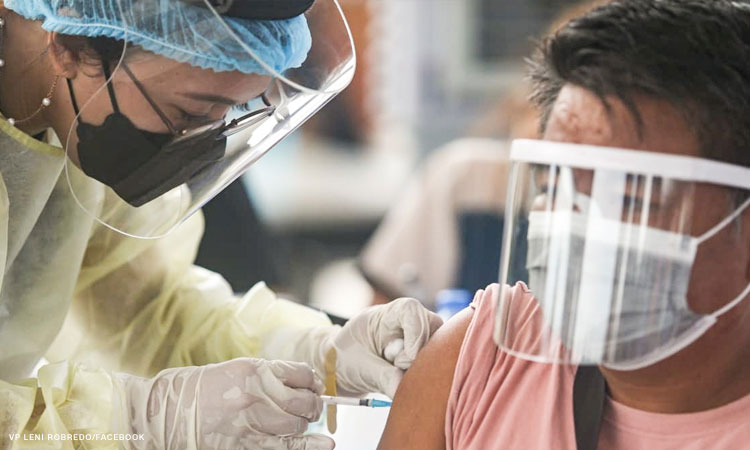
The country now ranks 50th in December from the bottom 53rd, as eased restrictions, improved vaccination and lower positivity rates suggest “undetected infection is finally coming under control,” Bloomberg said.
The nation’s resilience score also rose to 52 from 43.1 in November.
The monthly report captures how effectively the “world’s biggest 53 economies” are responding to the COVID-19 crisis.
Meanwhile, Vietnam replaced the Philippines as “the worst place” to live in during the pandemic, falling by two ranks – with a score of 43. 3 – after its “export-dependent economy was slammed by outbreaks causing factory shutdowns during the peak holiday production season.”
South Africa, tagged as the epicenter of the Omicron variant, meanwhile dropped by seven notches to become the second worst in the list. Also landing at the bottom five were Indonesia at 51st , and Poland remaining at 49th.
According to Bloomberg, it uses a number of indicators in its assessment, including virus containment, quality of healthcare, vaccination coverage, overall mortality, and progress toward restarting travel.
However, Malacañang earlier criticized the ranking as having “little consideration for country-specific COVID-19 context,” noting the 53 nations being evaluated have different experiences and strategies.
Meanwhile, the updated list also showed Chile is now “the best place” to live in during the health crisis with a score of 74.1, dethroning the United Arab Emirates.
“It’s summer now in Santiago, tourism has restarted and Chileans are the second-most vaccinated population in the world among countries bigger than 1 million people, reflecting a turnaround seen across a region that was devastated by the original virus but largely left unscathed by delta,” the report read.
Rounding up the top five are Ireland, the UAE, Finland, and Canada.
“One thing is clear: past performance in tackling the pandemic is no guarantee of future success – or failure,” Bloomberg said.
“Countries have been stymied again and again by the vagaries of the biggest health crisis in a generation, but some have also found ways to turn devastating situations around, whether through science, social cohesion or simply learning from the past,” it added.