
Metro Manila (CNN Philippines, November 29) — The World Health Organization (WHO) has released an update on what is currently known about the Omicron coronavirus variant that has several mutations, which may have an impact on how the virus behaves.
WHO on Sunday said early studies suggest that there may be an increased risk of reinfection with the Omicron variant of concern, but information is still limited as of now.
“People who have previously had COVID-19 could become reinfected more easily with Omicron, as compared to other variants of concern,” it said in a statement.
After being infected with SARS-CoV-2, the virus that causes COVID-19, most people develop antibodies against the virus. Antibodies are proteins produced by the immune system that can help fight off the virus if it is encountered again.
The international body, however, said it is not yet clear whether Omicron is more easily spread from person to person or if it causes more severe disease compared to infections with other variants, including the Delta variant.
It added that there is currently no information to suggest that symptoms associated with Omicron are different from those from other variants.
WHO said it is looking into the potential impact of the variant on vaccines, but it stressed that vaccination remains critical to reducing severe disease and death, including against the dominant circulating virus, Delta.
“Current vaccines remain effective against severe disease and death,” it said.
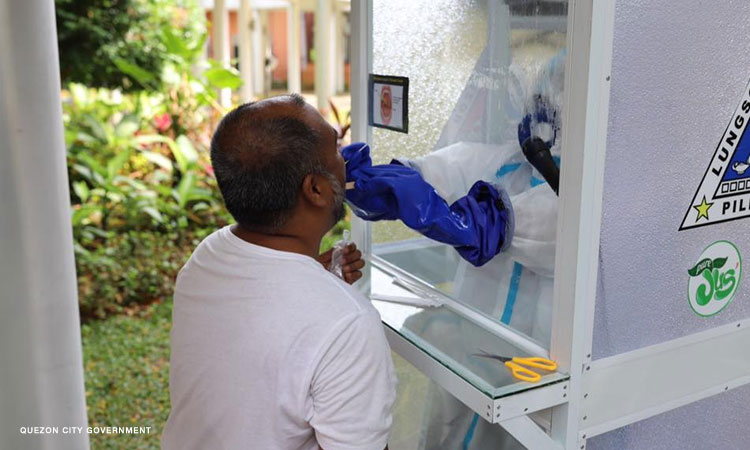
The agency also said regular RT-PCR tests can detect the Omicron strain.
WHO said it is coordinating with a large number of researchers around the world to study the transmissibility, severity of infection including symptoms, performance of vaccines and diagnostic tests, and effectiveness of treatments.
The classification of Omicron as variant of concern last week and subsequent increased detection prompted several countries to impose travel restrictions.
The Philippines has not yet detected a case of the Omicron variant. The country is temporarily banning inbound flights from 14 nations that have confirmed cases.