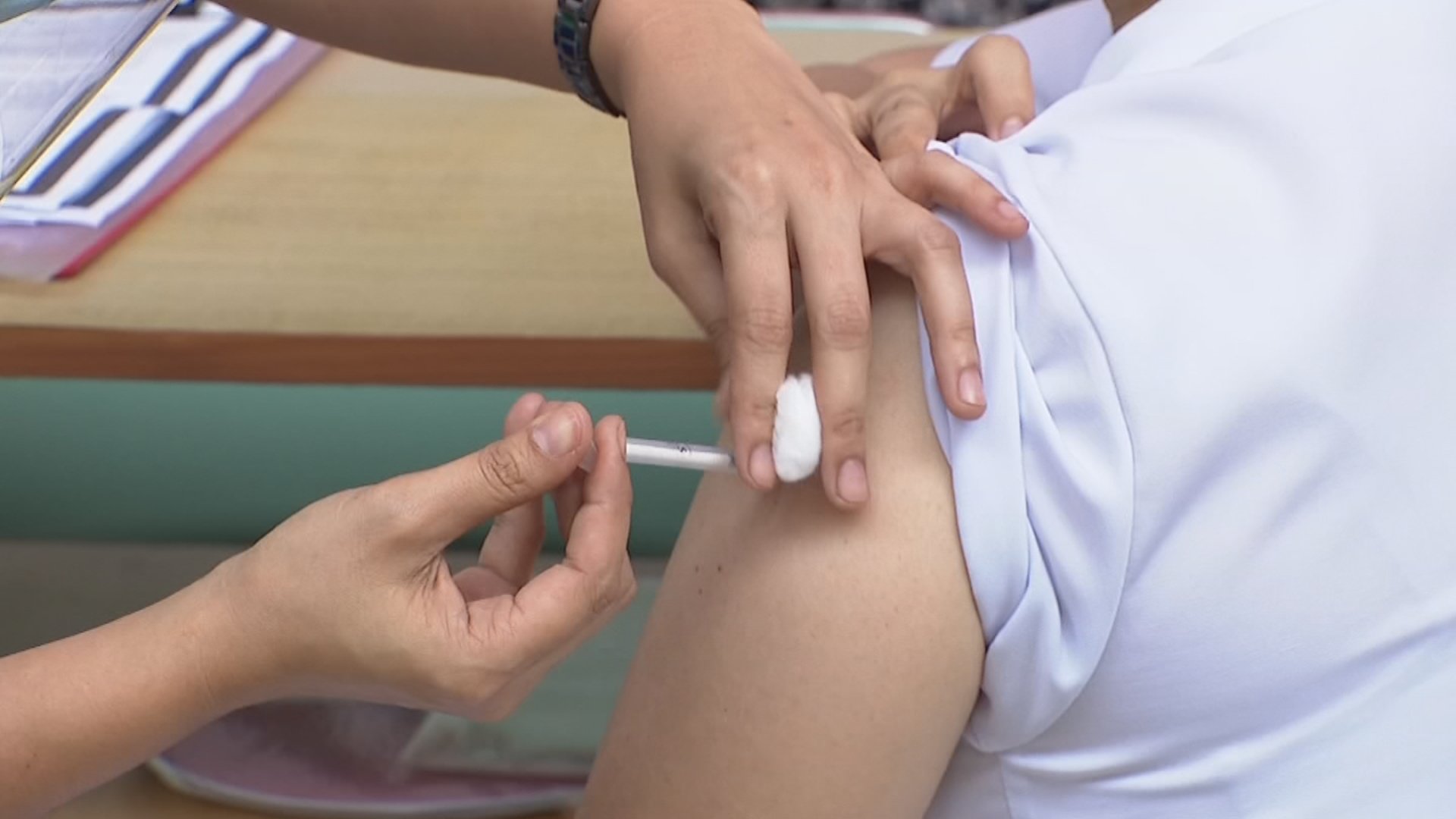

Metro Manila (CNN Philippines, June 2) — The Philippines is “doing well” in terms of vaccinating its healthcare workers against COVID-19, but the same cannot be said when it comes to senior citizens and persons with comorbidities, a member of the Inter-Agency Task Force’s sub-technical working group on data analytics said Wednesday.
Dr. John Wong, who is also an epidemiologist, based his analysis on the current vaccination rates of priority sectors.
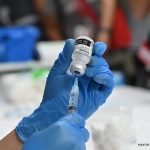
He said 90% of the country’s healthcare workers have been inoculated since the country’s vaccination drive started on March 1. However, only 14% percent of senior citizens have gotten their COVID-19 shots, while only 8% of those with comorbidities have been vaccinated.
“We are doing well with healthcare workers, not so good with seniors and persons with comorbidities,” Wong told a town hall hosted by the Department of Health.
He said the low vaccination coverage of A2 and A3 may be attributed to vaccine hesitancy, low vaccine supply, and access issues.
Maximizing the impact of vaccines
To boost the COVID-19 vaccination rates, Wong recommended an “easier” pre-registration.
“Just do it by age,” he said, adding those 50 years old must be inoculated first as they have the “highest risk” of dying due to the infectious disease.
“Those 50 years and above make up only about 17% of the population, a very small percentage, but they make up 80% of the deaths,” he added.
Why use age to qualify vaccinees
Wong explained that age is easier to verify than comorbidity or employment. He noted some people’s comorbidities are undiagnosed.
The Philippines will soon vaccinate frontline essential workers alongside the A1 to A3 groups.
The Health Department earlier proposed that the older workers get their COVID-19 shot first over the younger ones.
“We have recommended that if there will be some form of prioritization and maybe we can do it by stratifying by age group, [we can consider] prioritizing those who are more aged, like we start from 50 to 60, then 40 to 50 and down the line,” Health Undersecretary and Spokesperson Maria Rosario Vergeire told CNN Philippines’ The Source on Monday.